Hyperpigmentation
Correction
Uneven skin tone is not a skincare problem — it is a clinical one. Melasma, solar lentigines, and post-inflammatory hyperpigmentation each have a different cause, a different depth, and a different treatment response. At Couture Dermatology and Laser, your board-certified FAAD dermatologist diagnoses the specific type driving your discolouration before selecting any laser, peel, or prescription topical.
solar lentigines
surgical risk
Dermatologist
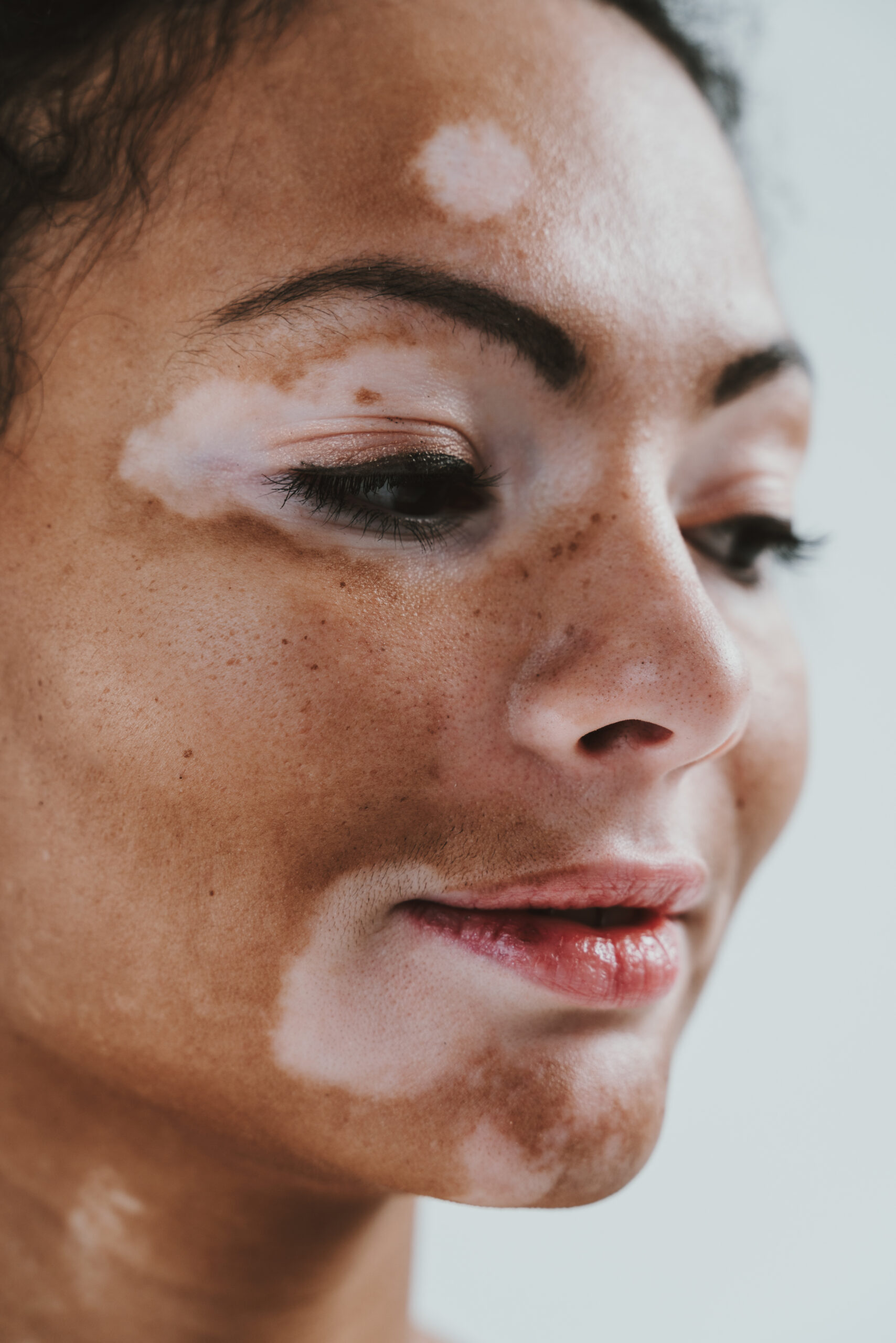
"Pigmentation treatment without accurate diagnosis is guesswork — and guesswork risks making it worse."
Three Types.
Three Solutions.
Hyperpigmentation is not a single condition. It is a category of disorders unified by the same visible outcome — excess melanin in localised areas — but driven by entirely different underlying mechanisms. Treating without accurate diagnosis produces no result, or in deeper skin tones, an adverse one.
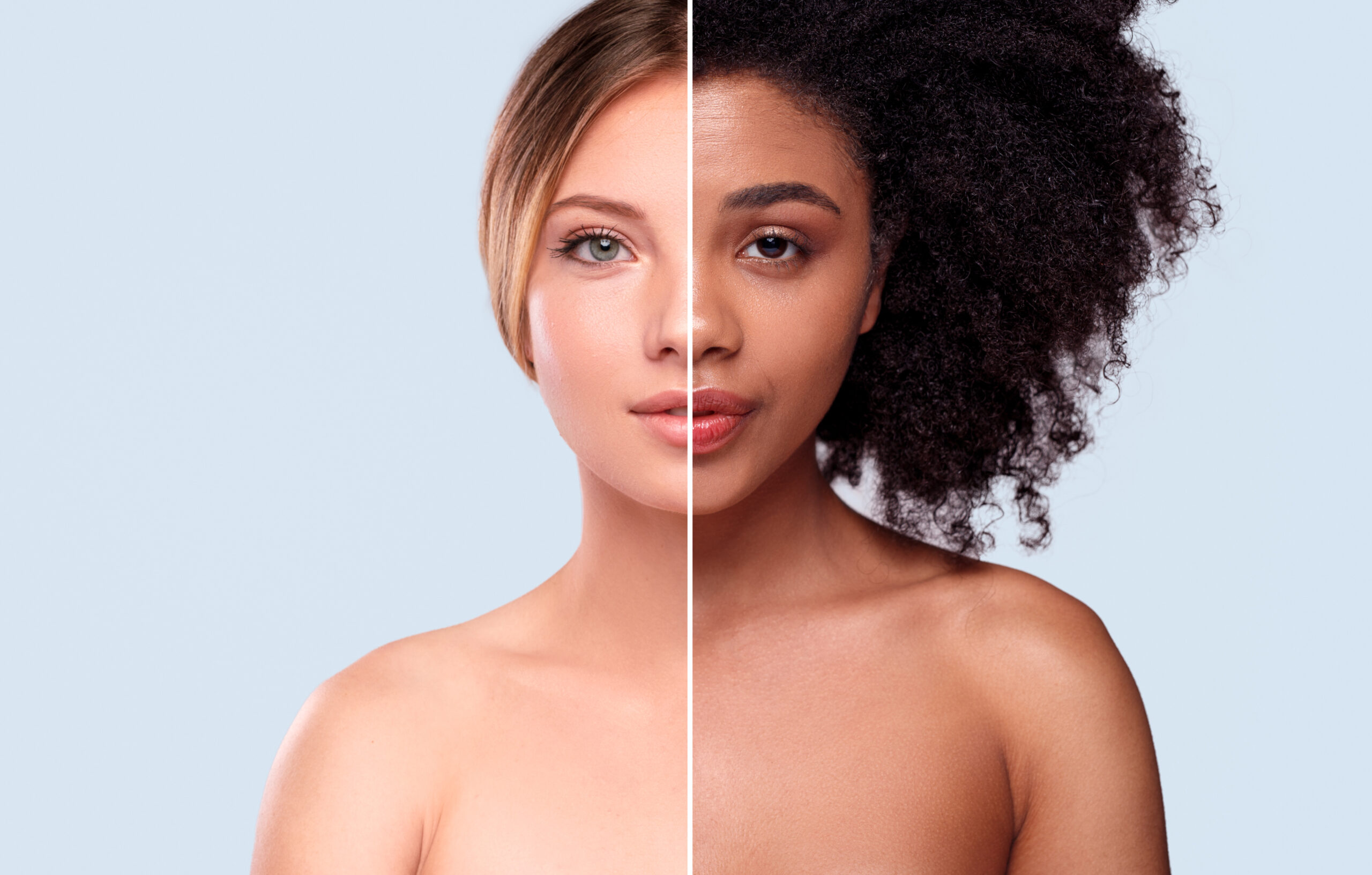
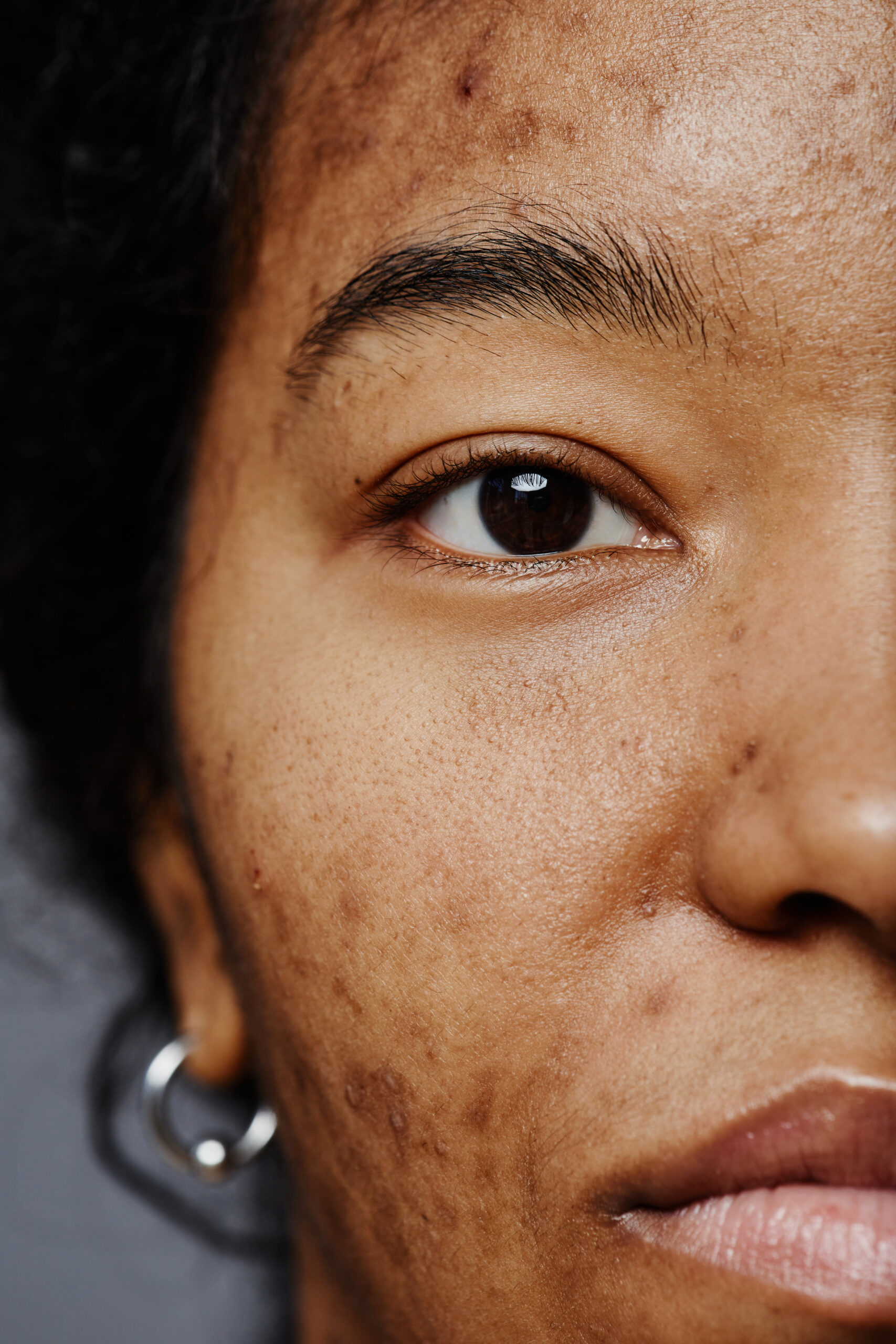
Solar lentigines (age spots) are UV-induced, epidermal, and responsive to laser. Melasma is hormonally driven with dermal pigment involvement, requiring ongoing management. Post-inflammatory hyperpigmentation (PIH) follows skin injury or acne, responding best to topicals and peels.
At Couture Dermatology and Laser, every programme begins with Fitzpatrick skin type classification and identification of the pigmentation type before any laser energy level or modality is chosen.
From Diagnosis
to Clarity
Every hyperpigmentation programme begins with diagnosis — not treatment selection. Understanding the pigmentation type and skin tone determines everything that follows.
Assessment
Your dermatologist evaluates the type, depth, and distribution of pigmentation. Fitzpatrick skin type is determined to guide safe parameter selection.
Included at every visitPreparation
Pre-treatment topical priming — like hydroquinone or retinoid — is prescribed weeks before laser for melasma to reduce melanocyte reactivity.
2–4 weeks primingActive Treatment
Laser energy is delivered in systematic passes. For melasma and deeper skin tones, lower fluence and longer wavelengths protect against paradoxical pigmentation.
20–45 minutesRecovery & Maintenance
Treated spots darken and shed over 7–14 days. Strict SPF 50+ is mandatory immediately after. Maintenance sessions are scheduled based on pigmentation type.
7–14 days post-laserAdvanced Clinical
Modalities
Hyperpigmentation correction is the selection of the appropriate modality for the specific pigmentation type, depth, and skin tone.
Solar Lentigines & Age Spots
Laser Resurfacing & IPL
UV-induced solar lentigines are highly responsive to laser. Targeted energy is absorbed by melanin in cells; the cells undergo photothermal disruption and are cleared. Treated spots darken and shed over 7–14 days, revealing significantly clearer skin beneath.
Melasma & Hormonal
Melasma Management
Melasma requires a management approach. Prescription topical depigmentation agents — hydroquinone 4%, tranexamic acid — inhibit tyrosinase. Laser parameters are set conservatively, as melasma is prone to paradoxical darkening if treated aggressively.
PIH & Post-Acne Marks
Chemical Peels
Post-inflammatory hyperpigmentation fades with time, though treatment accelerates clearance. Superficial to medium-depth chemical peels accelerate epidermal cell turnover. For darker skin tones, peels are preferred over aggressive laser to lower hyperpigmentation risk.
Maintenance Protocol
Medical-Grade Depigmentation
Prescription topical agents are the foundation of every programme. Daily broad-spectrum SPF 50+ is prescribed to every pigmentation patient — UV exposure is the primary trigger for all forms of recurrence and must be managed daily.
Even Skin Tone.
Clinically Achieved.
Age Spots & Sun Spots Cleared
Solar lentigines respond with high clearance rates to laser treatment. Treated spots darken and shed over 7–14 days, revealing clearer skin beneath in 1–3 sessions.
Melasma Progressively Faded
Melasma fades progressively across a course of treatment. Conservative laser or peel sessions combined with topicals and SPF 50+ produce cumulative, lasting improvement.
Post-Inflammatory Marks Resolved
Dark marks from acne or eczema are accelerated by peels and prescription topicals targeting melanocyte activity, clearing residual shadows safely.
Safe Across All Skin Tones
Every protocol is calibrated for the patient's confirmed Fitzpatrick skin type. Darker skin tones receive appropriately conservative treatments to prevent paradoxical hyperpigmentation.
Skin Clarity That Holds
Solar lentigines cleared by laser do not return at the same sites. Melasma is managed with a programme that minimises recurrence provided sun protection is maintained.
"Hyperpigmentation is not a skincare problem. It is a clinical one — and it requires clinical diagnosis before clinical treatment."— Couture Dermatology and Laser
non-negotiable
Board-Certified FAAD
Every pigmentation protocol is designed and delivered personally by Dr. Chinonso Kagha Abisogun, MD, FAAD
Fitzpatrick Skin Typing
Skin type is clinically assessed before laser selection to prevent paradoxical hyperpigmentation
Diagnosis First
Pigmentation type, depth, and cause established before any modality is selected
Clinical Outcomes
Evidence-based protocols targeting measurable improvement for every pigmentation type
Pigmentation We
Address
Every pigmentation type has a different cause, depth, and treatment response. We classify and treat each type accurately across every affected area.
Solar Lentigines
UV-induced age spots — epidermal and highly responsive to laser treatment with 1–3 sessions.
Melasma
Hormonal brown patches on the forehead and cheeks — managed with conservative laser and SPF.
Post-Inflammatory Hyperpigmentation
Dark marks after acne or injury — accelerated with chemical peels and topicals.
Freckles (Ephelides)
Genetic, UV-amplified superficial pigmentation — cleared effectively with laser and IPL.
Uneven Skin Tone
Generalised dullness and inconsistency — improved with fractional laser and brightening topicals.
Birthmarks & Lesions
Pigmented lesions assessed at consultation; suspicious lesions referred for dermatoscopic evaluation.
Is Hyperpigmentation
Correction Right for You?
- Adults with visible age spots, sun spots, or freckles on the face, hands, chest, or arms wanting meaningful clearance.
- Patients with melasma who have tried topical treatments without satisfactory results and want a supervised clinical programme.
- Those with post-inflammatory hyperpigmentation from acne or eczema that has persisted for more than 3–6 months.
- Patients of any Fitzpatrick skin type who want pigmentation treated safely by a clinician who understands melanin risk.
- Anyone who finds that uneven skin tone affects their appearance and wants an evidence-based path to clearing it.
- Those who want to understand what is driving their pigmentation before committing to any treatment.
Honest Expectations
Melasma is a chronic condition with no permanent cure — it can be significantly improved and well-managed, but recurrence is likely without ongoing SPF management. Patients who cannot commit to daily SPF 50+ are poor candidates for laser melasma treatment.
During the consultation, your dermatologist will be direct about what treatment can realistically achieve for your specific pigmentation type — and how much commitment ongoing maintenance requires.
Extend the Result
With…
Hyperpigmentation correction addresses tone and clarity. These treatments extend the result — addressing skin structure and surface quality.
Laser Skin Resurfacing
Fractional laser for skin surface quality — texture, tone, and fine lines addressed in the same session or sequenced after clearance.
Explore laser resurfacing →Acne Scar Removal
Treating the structural scars that often coexist with post-inflammatory pigmentation, ensuring texture is as smooth as the newly corrected tone.
Explore acne scar removal →Microneedling
Collagen induction for skin texture — a compatible complement to pigmentation treatment that improves skin quality without UV downtime.
Explore microneedling →Medical-Grade Skincare
The investment in your skin is protected by a dermatologist-prescribed protocol. Retinoids and SPF 50+ are non-negotiable to preserve results.
All treatments →Clear Skin Begins
With the Right Diagnosis.
Uneven skin tone has a cause — and that cause determines which treatment will work. Your board-certified FAAD dermatologist classifies your skin type, identifies your pigmentation depth, and establishes the underlying trigger before recommending any protocol.
Sat · By Appointment Only
"I had melasma patches on both cheeks for years and nothing over the counter worked. Dr. Chinonso explained exactly what was happening and built a real programme — peels, topicals, and strict SPF. Three months in, my skin tone is genuinely even for the first time in years."
Priya S.
Verified Patient · Beverly Hills
Results That Speak for Themselves
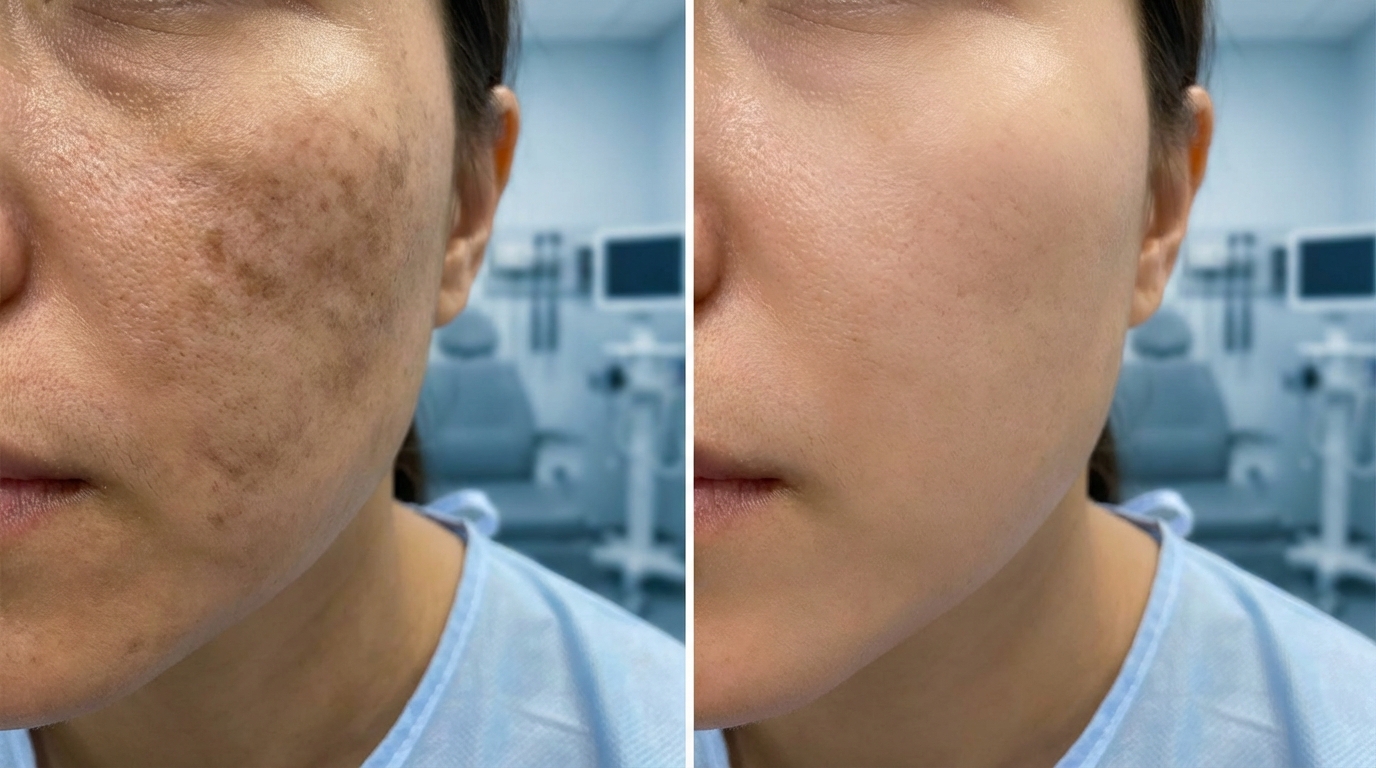
Individual results vary. Images represent outcomes achievable through a personalised treatment programme at Couture Dermatology and Laser.
Frequently
Asked Questions
Direct answers to the questions patients most commonly ask before their hyperpigmentation consultation — on results, recovery, modalities, and realistic expectations.
Hyperpigmentation occurs when melanocytes produce excess melanin in localised areas. UV radiation triggers solar lentigines; hormonal fluctuations trigger melasma; inflammation from acne or eczema triggers post-inflammatory hyperpigmentation (PIH). Each type has a distinct treatment response.
Melasma is a hormonally-driven, chronic condition characterised by symmetric patches on the face. Unlike solar lentigines or PIH, melasma has dermal pigment involvement and a persistent hormonal stimulus that makes it prone to recurrence, requiring ongoing SPF management.
In deeper skin tones, laser at inappropriate settings can trigger post-inflammatory hyperpigmentation. This is why Fitzpatrick skin type classification is a non-negotiable first step. At Couture Dermatology and Laser, energy parameters are adjusted for each patient's confirmed skin type.
Solar lentigines often respond in 1–3 sessions. PIH improves progressively over 4–12 weeks with topicals. Melasma requires the most sustained programme — typically 3–6 sessions combined with ongoing prescription topicals and daily sun protection.
Laser resurfacing produces 5–10 days of redness and gradual shedding. Chemical peels produce 3–7 days of peeling. Prescription topical protocols have no downtime. After any treatment, strict broad-spectrum SPF 50+ is required daily.
Darker skin tones require conservative, calibrated treatment. Aggressive settings can trigger paradoxical hyperpigmentation. At Couture Dermatology and Laser, we prioritise Q-switched Nd:YAG laser, superficial peels, and prescription topicals to achieve even tone safely.