Acne Scar
Refinement
Acne scars are not only a surface problem—they are three-dimensional structural changes in the skin. Treating them requires a precise assessment: identifying the specific acne type before rebuilding the skin's structure. At Couture Dermatology and Laser Beverly Hills, we combine FDA-approved technology with dermatologic expertise to restore smooth skin quality.
Optimal results
improvement
Dermatologist
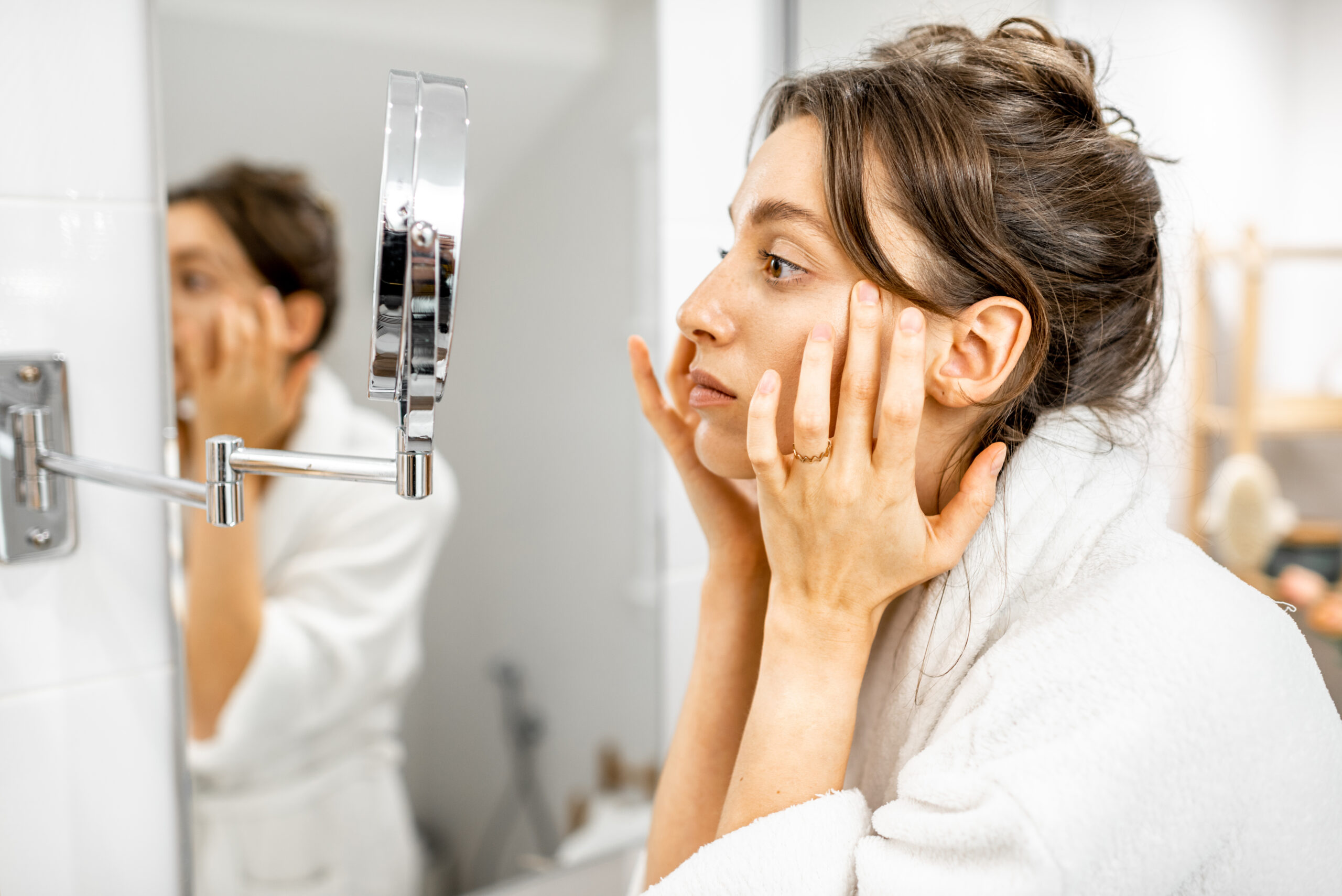
"Acne scars are structural—they require structural solutions, not just surface-level resurfacing."
Three Types.
Three Solutions.
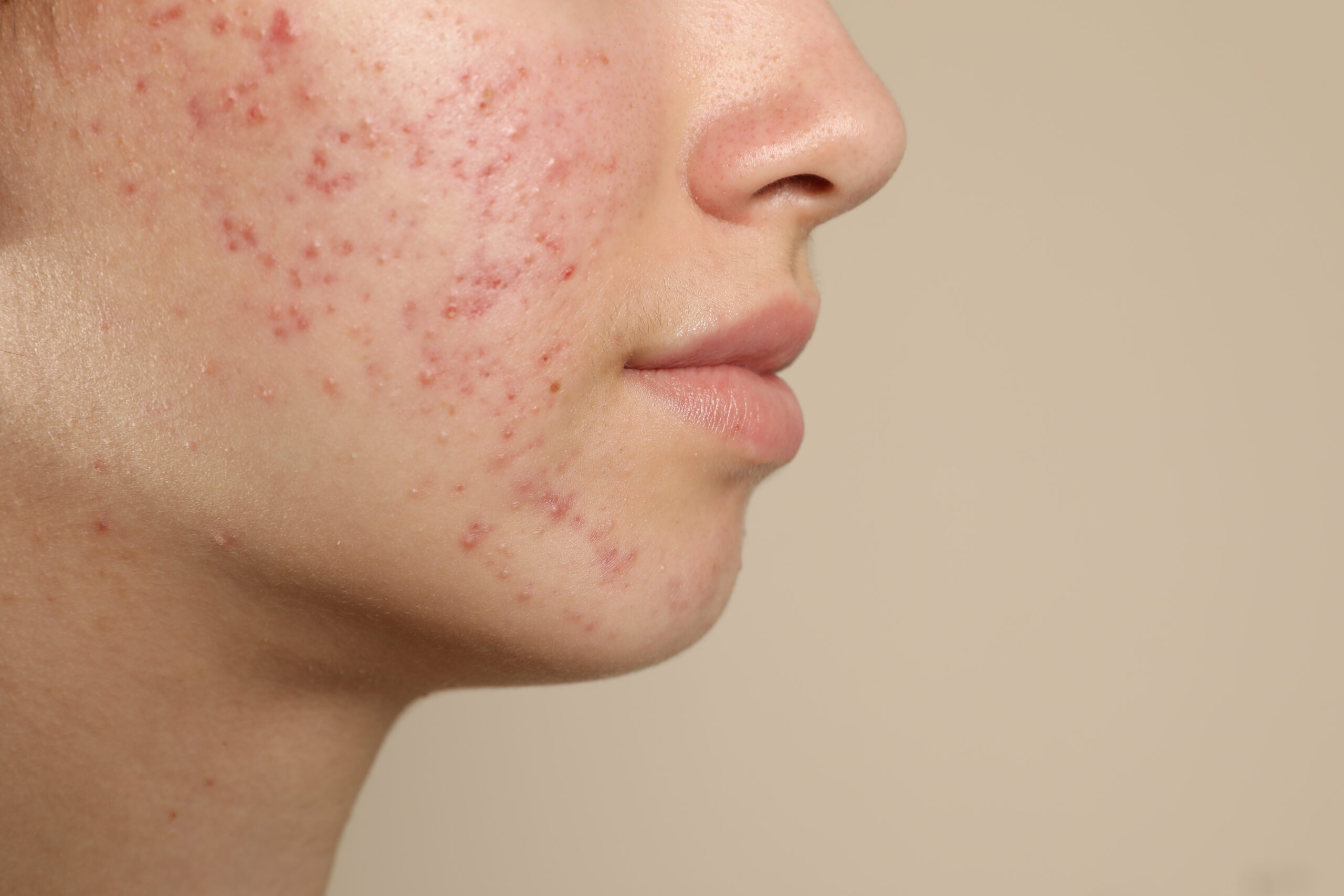
Treating all acne scars with a single modality is why many results fall short. Ice pick scars reach deep into the dermis. Rolling scars are broad depressions tethered by fibrous bands that must be released via subcision.
Boxcar scars have sharp vertical walls that respond best to fractional laser and RF microneedling. At Couture Dermatology and Laser Beverly Hills, we determine your scar type first.
By identifying your scar types, we can sequence treatment modalities correctly. Active acne is always managed first to protect your investment in scar treatment.
From Mapping
to Renewal
Acne scar refinement is a sequenced program. Different modalities address different scar types in the correct order for maximum structural improvement.
Scar Assessment
The scar assessment identifies scar type across all facial zones. Every treatment program is built entirely based on your assessment.
Included at every visitActive Acne Control
Concurrent medical acne management ensures active lesions are fully suppressed in order to prevent new scar formation.
Phase 1 stabilizationActive Treatment
Treatment modalities such as Subcision, laser, and microneedling are sequenced across a few sessions to address structural depth and surface texture effectively.
30–60 minutesCollagen Remodeling
Remodeling continues for 3–6 months. Results build progressively, with peak improvement assessed months later.
Peak results @ 12 weeksAdvanced Clinical
Modalities
No single tool addresses all acne scar types effectively. These four modalities form the clinical toolkit — combined properly for your specific scar morphology.
Boxcar & Surface Texture
Fractional Laser
Fractional laser creates controlled columns of thermal injury, triggering a wound-healing response that produces new collagen to fill scar depressions from the inside out. Peak results build over 3 months.
Rolling Scar Tethering
Subcision
A specialized technique that physically severs the fibrous bands pulling the skin surface downward.
Safe for All Tones
Microneedling RF
Delivers targeted energy directly into the dermis via insulated needles, bypassing the surface to induce deep remodeling without the risk of post-inflammatory hyperpigmentation common in darker skin tones.
Deep Atrophic Volume
Dermal Fillers
Used to provide immediate volumetric correction for broad, atrophic depressions that remain after structural remodeling. Hyaluronic acid filler lifts the scar base to create a smoother skin surface.
The Texture Goal.
Smooth Authority.
Scar Depressions Reduced
New collagen induced by fractional laser and microneedling progressively fills scar depressions from below, reducing depth and softening sharp edges for a more uniform skin surface.
Rolling Scars Reduced
Treatment releases the subdermal tethering that creates visible texture changes, allowing the skin to rise back to its natural level.
Overall Skin Quality Improved
Treatment improves the surrounding skin quality—reducing pore size, refining texture, and addressing pigment scar repair for a comprehensive result.
Safe Across Skin Tones
Microneedling and customized non-ablative lasers deliver deep remodeling without the post-inflammatory hyperpigmentation risks associated with older technologies.
Results That Continue to Build
Collagen induction is a biological process. Your skin continues to rebuild its structural matrix for 3 to 6 months after your final session, meaning results continue to improve over time.
"The goal is clearer, smoother skin and a more confident you."— Couture Dermatology and Laser Beverly Hills
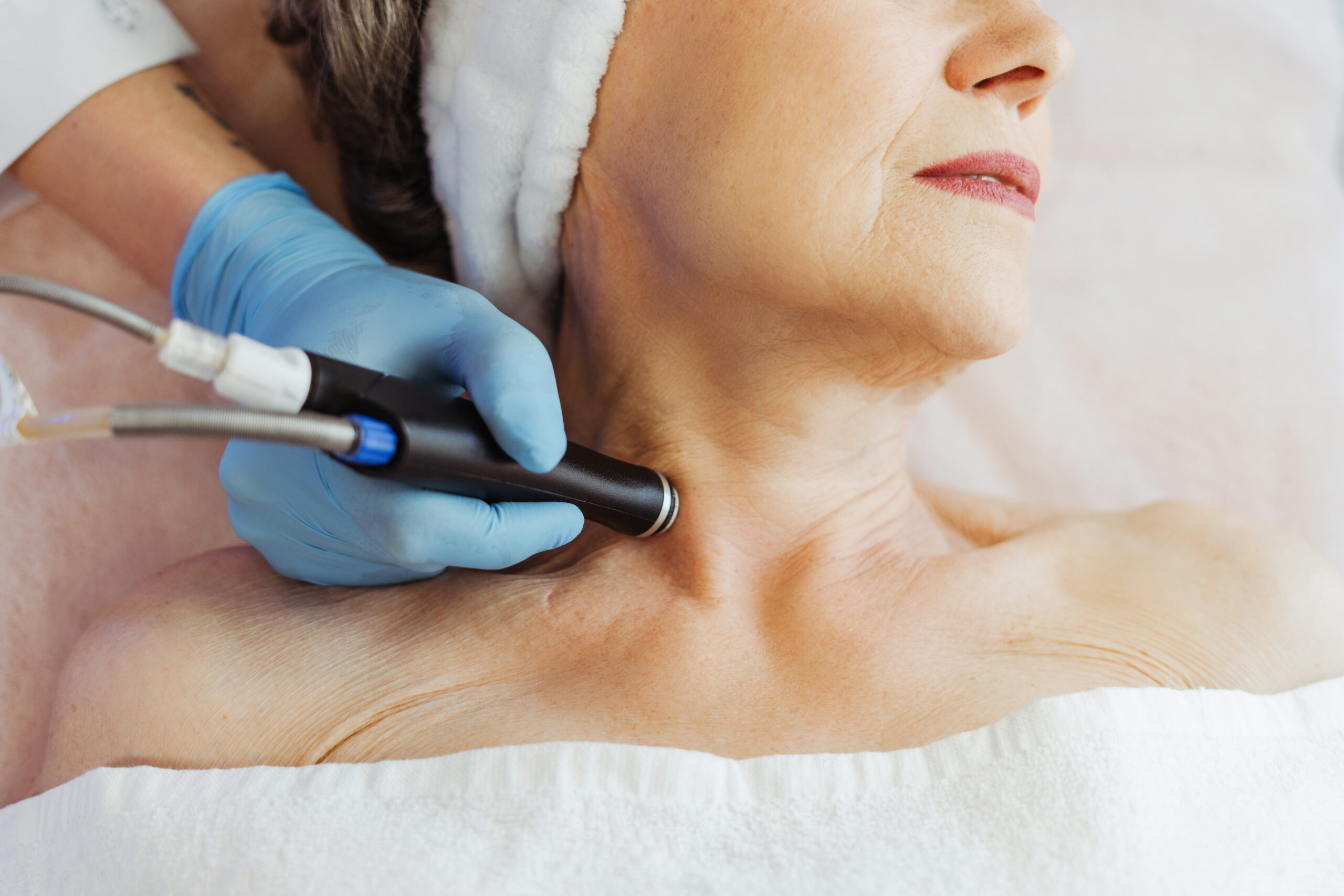
continues to build
Board-Certified Dermatologist
Every scar program is designed by our board certified dermatologist.
Morphological Accuracy
We identify ice pick, rolling, boxcar, hypertrophic, or atrophic scars individually before any technology or modality is ever selected
Active Control
Concurrent medical acne management to stop new scar formation while we focus on repairing existing ones
Clinical Outcomes
targeting 75–100% improvement for natural, smooth skin.
Scars We
Address
We classify and treat each acne scar type across the face, back, or chest.
Ice Pick Scars
Deep, narrow, V-shaped tracts extending deep into the dermis.
Rolling Scars
Broad depressions with sloping edges tethered by fibrous bands.
Boxcar Scars
Round or oval depressions with sharp vertical walls.
Hypertrophic Scars
Raised, thickened areas. Managed carefully with corticosteroid injections and laser.
Post-Inflammatory Erythema
The flat red marks left behind by healed acne breakouts. Targeted quickly and effectively with vascular lasers.
Post-Inflammatory Hyperpigmentation
Brown or gray marks left after breakouts, particularly in darker skin. Cleared with customized peels and lasers.
Is Scar Treatment
Right for You?
- Adults with established atrophic scarring that has not improved with topical retinoids or chemical peels.
- Patients whose active acne is currently medically controlled or can be managed alongside the scar treatment.
- Those who notice uneven texture on their skin in overhead or angled lighting.
- Patients of all Fitzpatrick skin types, as protocols are calibrated specifically to ensure safety for all skin tones.
- Those seeking a realistic 75% to 100% improvement.
- Patients wanting a structured, evidence-based plan rather than a one-size-fits-all laser package.
Honest Expectations
Deep ice pick scars, severe rolling scarring, and deep boxcar scars represent structural changes in the skin.
The goal of treatment is significant, visible improvement (typically 75–100%) where the skin becomes smoother and no longer requires heavy makeup coverage. Here at Couture Dermatology and Laser Beverly Hills, we will always be direct with you about what your treatment can achieve.
Extend the Result
With…
Laser Skin Resurfacing
Fractional laser for overall improved texture, pore size, and skin quality refinement.
Explore laser resurfacing →Hyperpigmentation Correction
Treating the dark brown or red marks (PIH/PIE) that often coexist with scars, ensuring the skin tone is as even as the improved smoothened texture.
Explore pigment correction →Medical Chemical Peels
Medical-grade peels accelerate cellular turnover, reduce active acne breakouts, and help clear superficial post-acne marks gently.
Explore chemical peels →Medical-Grade Skincare
Our protocols are designed by our board certified dermatologist. SPF 50+ is non-negotiable to prevent UV damage.
All treatments →Results That Speak for Themselves
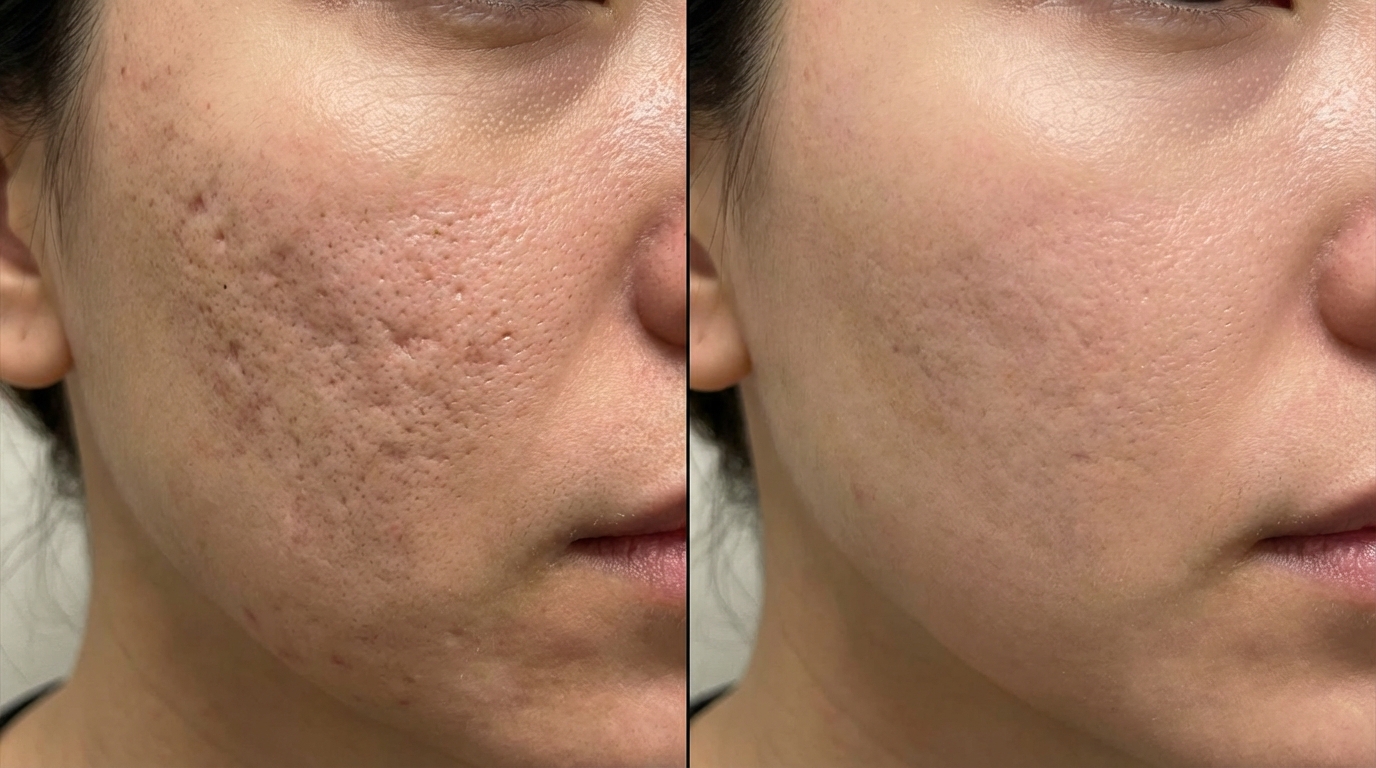
Individual results vary. Full collagen remodelling is typically seen 3 to 6 months after the final session in your personalized treatment series, although you will see significant improvement before then.
Rebuilding Your Skin.
One Step at a Time.
No scar programme is effective without a correct diagnosis. At Couture Dermatology and Laser, we assess your skin and your goals in full detail before recommending a sequenced plan.
Sat · By Appointment Only
"After four sessions, my skin looks genuinely so much better. I had deep scars on both cheeks, and now I can go to dinner parties and social events with almost no makeup coverage on. Dr. Chinonso gave me a real plan that worked wonders for my skin."
Alexandra M.
Patient · Beverly Hills
Frequently
Asked Questions
Direct answers to the questions patients most commonly ask before their acne scar consultation — on results, recovery, modalities, and realistic expectations.
We treat all atrophic types: ice pick, rolling, and boxcar scars. Each requires a different clinical approach, from TCA cross for deep ice pick scars to subcision for tethered rolling scars, and fractional laser or microneedling RF for overall surface texture improvement.
Yes. Active inflammatory acne must be suppressed before resurfacing begins. Treating scars while active breakouts continue undermines results by creating new scars, and laser over active acne can spread bacteria and trigger post-inflammatory hyperpigmentation.
Most patients require 3 to 6 sessions spaced 4 to 6 weeks apart, depending on scar depth, severity, and the specific modalities used in your treatment plan. Significant improvement is visible as collagen remodeling progresses.
Downtime depends on the specific modality. Ablative fractional lasers involve 5 to 10 days of redness and shedding; RF microneedling and subcision typically involve 2 to 5 days of mild swelling or bruising. Your dermatologist will discuss the trade-off between downtime and results.
Complete 100% removal is rarely realistic for deep established atrophic scars. The clinical goal is a 50% to 80% visible improvement, resulting in a skin surface that reads as smooth and uniform in normal social lighting without requiring heavy coverage.
Yes. We use specialized RF microneedling and non-ablative fractional laser protocols specifically calibrated for Fitzpatrick IV-VI skin types to safely induce collagen without the high risk of post-inflammatory hyperpigmentation associated with older ablative lasers.