Hair Loss &
Alopecia
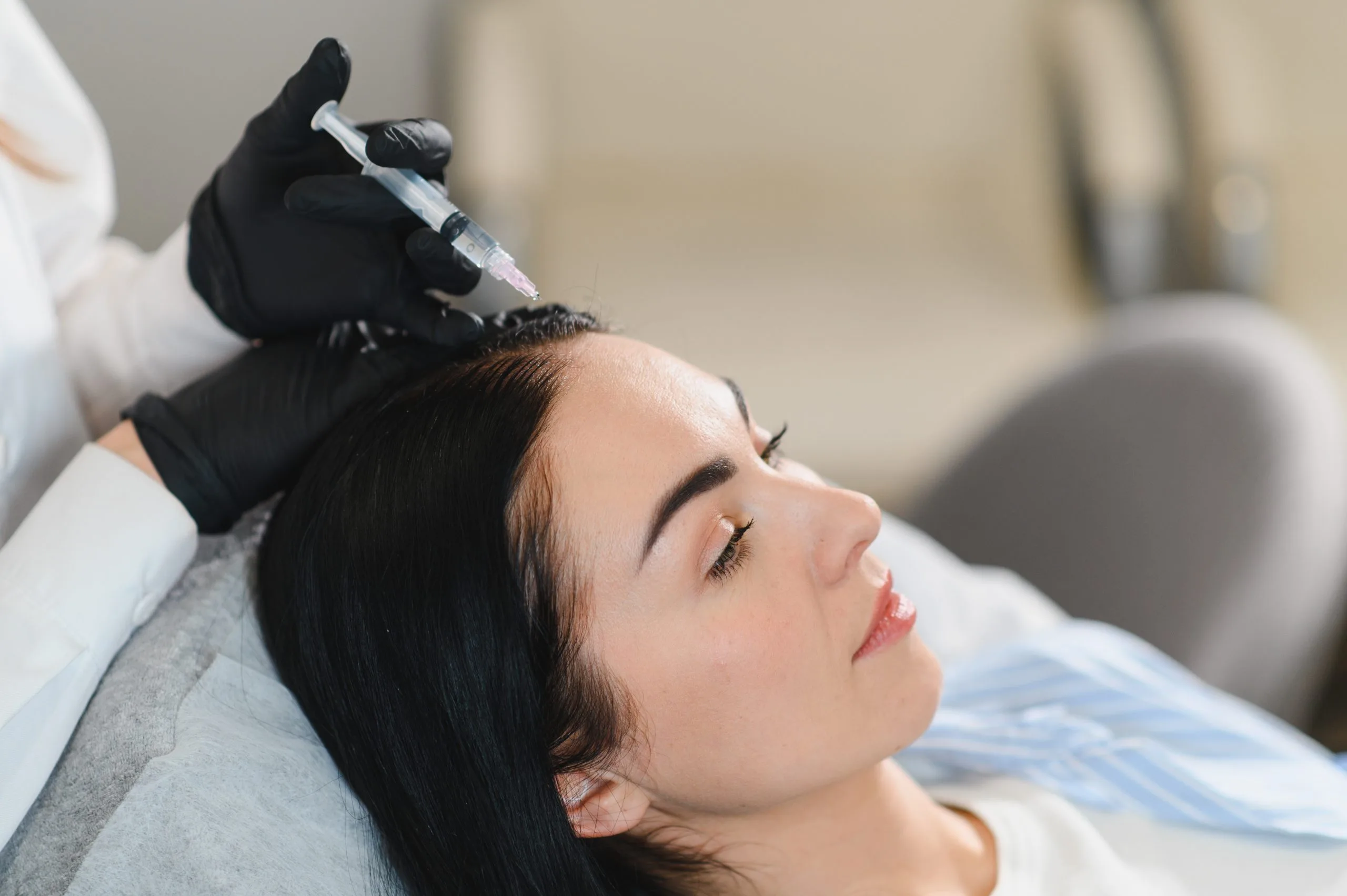
Hair loss is not a single condition — it is a symptom with distinct causes. From androgenetic alopecia requiring anti-androgens, to alopecia areata treated with FDA-approved JAK inhibitors, to scarring alopecias requiring urgent intervention. At Couture Dermatology and Laser, hair loss is assessed by type before any prescription is written.
treated individually
systemic AA therapy
Dermatologist
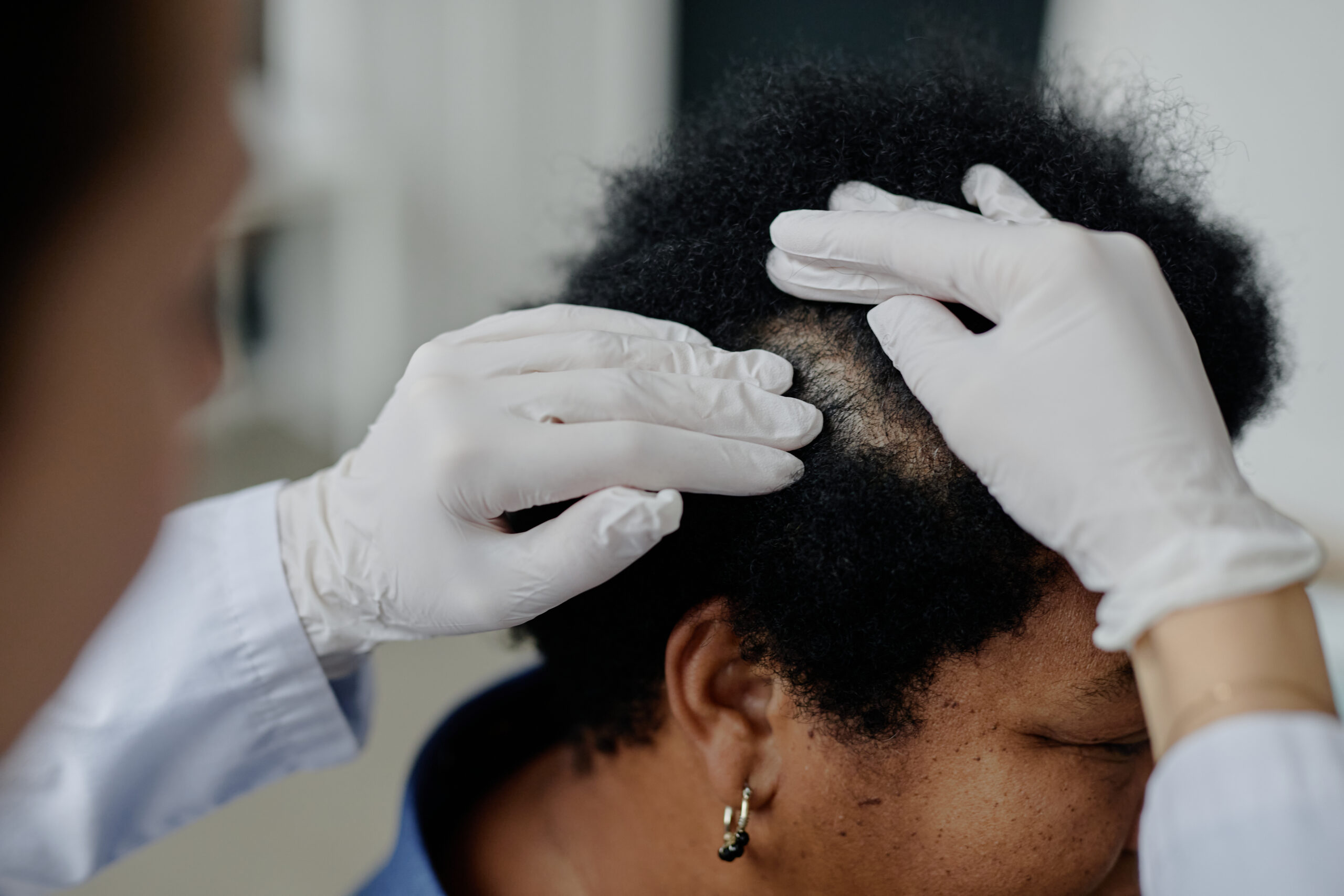
"Hair loss is a symptom, not a diagnosis. The right treatment depends entirely on which type is causing it."

The Wrong Treatment
Achieves Nothing.
Minoxidil applied to alopecia areata may produce minimal benefit. Finasteride prescribed for telogen effluvium will not address the shedding. Aggressive scalp treatments on active scarring alopecia can worsen irreversible damage. Treatment is entirely dependent on which condition is producing the hair loss.
Hair loss is measured in three dimensions: the pattern of loss, the type of hair shed (miniaturised vs. full-thickness), and the timeline of onset (gradual vs. sudden). These variables, combined with scalp examination under dermoscopy (trichoscopy), produce the correct diagnosis.
At Couture Dermatology and Laser, assessment includes trichoscopy, targeted blood tests, a full health history review, and scalp biopsy where indicated to confirm a scarring diagnosis before committing to systemic therapy.
From Appointment
to Confirmed Plan
The investigation of hair loss is targeted to the clinical suspicion, not a one-size panel applied to every patient.
Clinical History
Onset, progression rate, pattern, and spontaneous regrowth. We review medications, nutritional history, recent stressors, illness, and hairstyling practices.
Thorough reviewTrichoscopy
The scalp is examined at high magnification to assess follicular units, miniaturisation, and pericapillary changes to distinguish active vs inactive disease.
Non-invasive in-officeTargeted Labs
Blood tests are ordered based on clinical picture—ferritin, thyroid, zinc for shedding; hormonal panels (DHEAS, testosterone) for suspected hyperandrogenism.
Targeted, not blanketTreatment Plan
Treatment is prescribed for the confirmed diagnosis. Response is monitored with repeat trichoscopy and standardised photography at 3–6 monthly intervals.
3–6 month follow-upThe Treatments
& How They Work
Each treatment approach is specific to a hair loss type. These are the principal medical treatments used at Couture Dermatology and Laser.
AGA · First-Line · Anti-Androgen
Minoxidil & Finasteride
Topical (5%) and oral low-dose minoxidil stimulate proliferation. Finasteride (1mg daily) targets the mechanism directly by blocking DHT conversion, producing significant improvement in men. Dutasteride provides superior DHT reduction where finasteride response is suboptimal. Continuous therapy is required.
Female Pattern · Hormonal
Spironolactone
An aldosterone antagonist that blocks androgen receptors in the hair follicle, reducing the effect of DHT. It is the most common anti-androgen for female AGA. Response requires 6–12 months of continuous therapy. Particularly effective in women with clinical hyperandrogenism (PCOS).
Alopecia Areata · Systemic Oral
JAK Inhibitors
The first FDA-approved systemic therapies for alopecia areata. Baricitinib and ritlecitinib interrupt the IFN-γ driven T-cell activation attacking the follicle. In trials, ~40% of patients with severe AA achieved ≥80% scalp coverage at 36 weeks. Suitability requires careful medical assessment.
Patchy Alopecia Areata
Intralesional Injections
Corticosteroids injected directly into the dermis of alopecia areata patches suppress the local T-cell infiltrate, allowing follicular recovery within 4–8 weeks. The standard first-line treatment for limited patchy disease. Extensive disease requires systemic therapy.
Understanding
The Timeline.
Hair Growth is Slow
Minoxidil and anti-androgens for androgenetic alopecia require 6–12 months of consistent use before meaningful density improvement is measurable. Patience and adherence are required.
Stabilisation Before Regrowth
For androgenetic alopecia, the initial goal of therapy is halting further loss. Visibly reversing miniaturisation and regaining density is the secondary phase of successful treatment.
Scarring is Irreversible
Scarring alopecias destroy follicles permanently. Early diagnosis is not optional—every month of active inflammation that goes untreated is additional permanent loss that no medicine can reverse.
JAK Inhibitor Benchmarks
JAK inhibitors for severe alopecia areata require 36 weeks before the clinical trial benchmarks for scalp coverage are fully assessed. Regular monitoring is essential.
Continuous Management
For most non-scarring alopecias, halting the medication means the underlying condition resumes. Long-term, sustainable maintenance is a requirement, not an option.
"The most important distinction in hair loss is whether the follicle is still present and recoverable, or whether it has been permanently destroyed."— Couture Dermatology and Laser
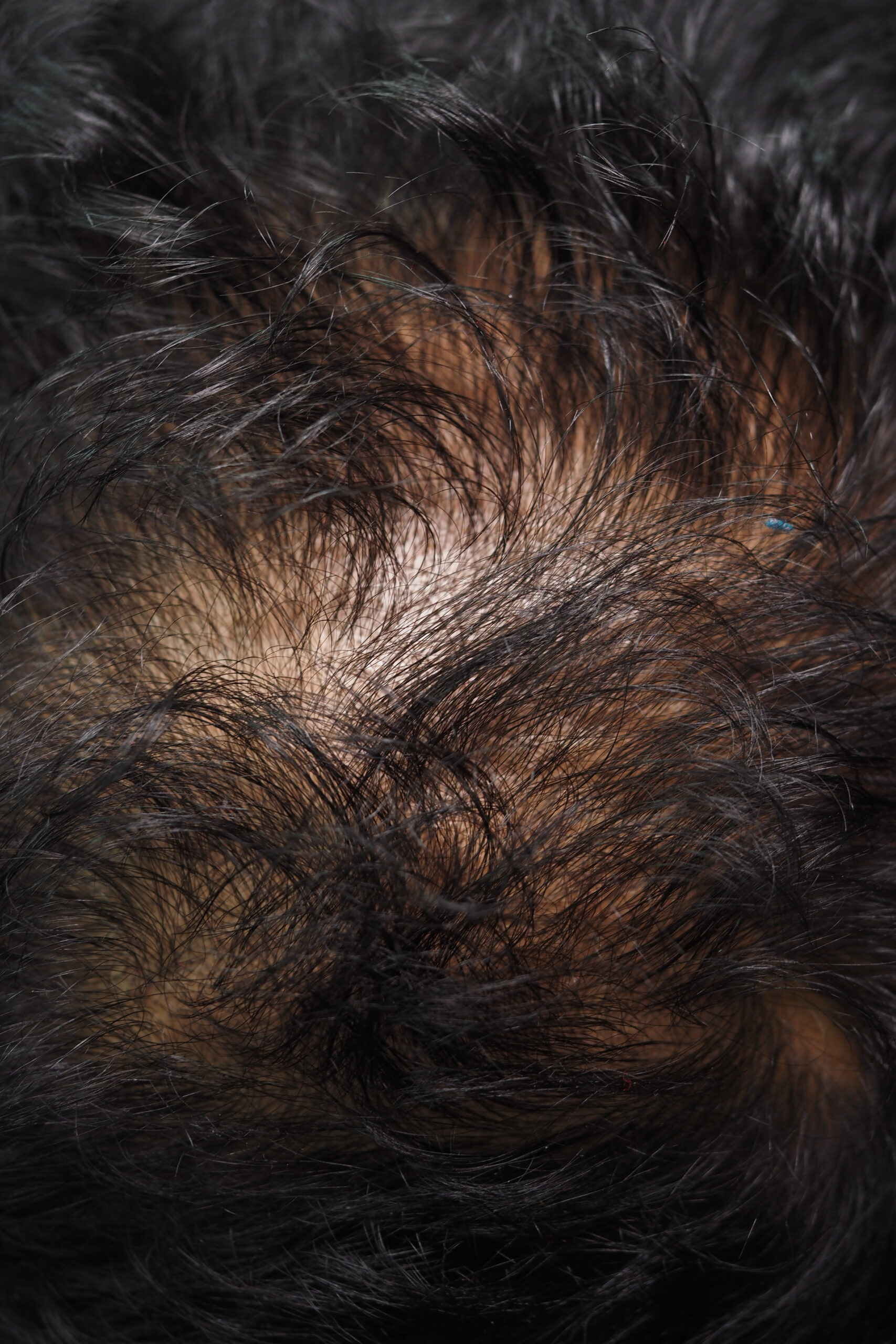
visible density
Board-Certified FAAD
Every hair loss assessment, diagnosis, and treatment programme conducted personally by a Fellow of the American Academy of Dermatology
JAK Inhibitor Prescribing
Baricitinib and ritlecitinib — the first FDA-approved systemic therapies for severe alopecia areata — prescribed and monitored in-practice
Trichoscopy & Biopsy
Trichoscopy performed at every consultation; scalp punch biopsy available in-office for suspected scarring alopecias requiring histological proof
Beverly Hills Location
Couture Dermatology and Laser · Beverly Hills, CA 90212 · (310) 444-0946
Six Types of
Hair Loss
These are the most common alopecia diagnoses seen in dermatology practice. Each has a distinct cause, presentation, and treatment approach.
Androgenetic Alopecia
Male & female pattern hair loss driven by DHT. Progressive miniaturisation treated with minoxidil and anti-androgens.
Alopecia Areata
Autoimmune condition producing sudden patchy hair loss. Treated with steroids or JAK inhibitors for severe disease.
Telogen Effluvium
Diffuse shedding triggered by physiological shock, stress, or nutritional deficiency. Reversible once trigger is corrected.
Lichen Planopilaris
A scarring alopecia that targets and destroys the follicle permanently. Early anti-inflammatory intervention is critical.
CCCA
Central centrifugal cicatricial alopecia. A scarring loss beginning at the crown, most common in Black women.
Traction Alopecia
Mechanical loss from chronic tension (braids, tight buns). Reversible early, but causes permanent scarring if ignored.
When to See a
Dermatologist
- Anyone with hair loss that has not been formally diagnosed — self-treatment without a diagnosis frequently fails.
- Women with diffuse thinning, particularly after childbirth, perimenopause, or significant illness.
- Patients with sudden patchy hair loss suggesting alopecia areata wanting to discuss JAK inhibitors.
- Anyone with scalp symptoms (itching, burning) alongside hair loss — an urgent sign of potential scarring alopecia.
- Men with AGA who have not responded to minoxidil and want to discuss finasteride or dutasteride.
Hair Loss That Finally Has a Diagnosis
Most hair loss that has not improved with over-the-counter products is either the wrong diagnosis, the wrong treatment for the right diagnosis, or a condition requiring systemic therapy available only from a dermatologist.
The consultation at Couture Dermatology and Laser begins with trichoscopy, targeted blood tests, and a full history — producing an accurate diagnosis and a treatment plan matched to what is actually driving the hair loss.
Conditions Treated
Alongside Hair Loss
Scalp and skin conditions frequently overlap. We manage the full spectrum of inflammatory and autoimmune dermatological concerns.
Eczema (Atopic Dermatitis)
Chronic inflammatory skin condition — managed with topicals, dupilumab biologic therapy, or JAK inhibitors for severe disease.
Explore eczema →Psoriasis
Includes scalp psoriasis, a frequent comorbidity with inflammatory scalp conditions. Managed with topicals and biologic therapy.
Explore psoriasis →Skin Rashes
Inflammatory skin conditions diagnosed clinically, including scalp contact dermatitis mimicking or coexisting with hair loss.
Explore rashes →Rosacea
Chronic facial inflammatory condition managed with vascular laser, IPL, and prescription topical and systemic therapy.
Explore rosacea →Hair Loss That Finally
Has a Diagnosis.
The consultation at Couture Dermatology and Laser begins with trichoscopy, targeted blood tests, and a full history — producing an accurate diagnosis and a treatment plan matched to what is actually driving your hair loss.
Sat · By Appointment Only
"Watching my hair thin was devastating. Dr. Chinonso took it seriously from the first appointment — she ran proper diagnostics and started treatment immediately. Six months in, I can see real regrowth and my hair feels stronger than it has in years."
Sandra V.
Verified Patient · Beverly Hills
Results That Speak for Themselves
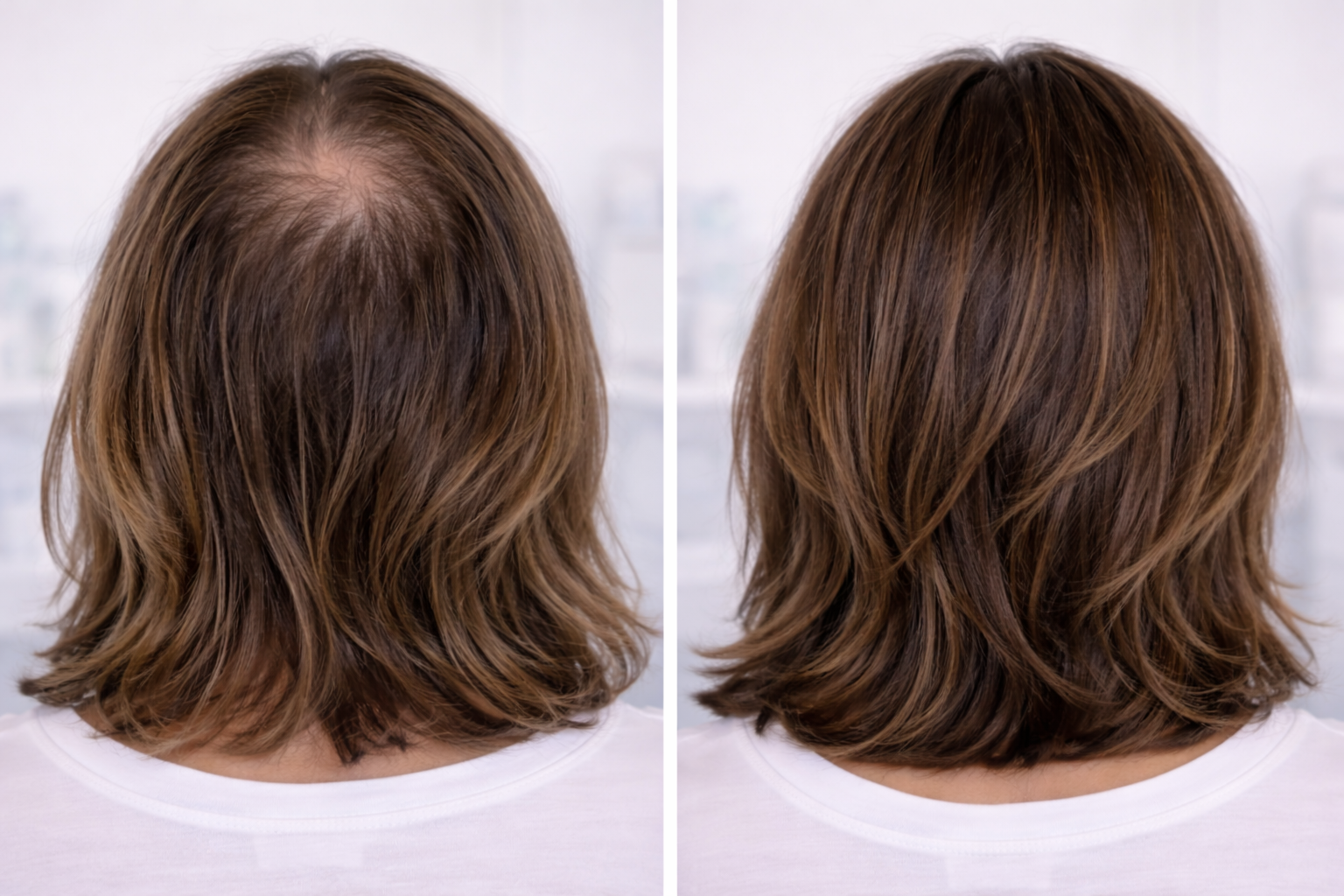
Individual results vary. Meaningful density improvement typically requires 6 to 12 months of consistent medical therapy.
Frequently
Asked Questions
Direct answers to the questions hair loss patients most commonly ask — on the distinction between types, the evidence for treatments, and diagnostics.
Androgenetic alopecia is a genetically programmed miniaturisation of hair follicles driven by DHT. It is gradual, progressive, and follows predictable patterns. Alopecia areata is an autoimmune condition in which T-cells attack the hair follicle, producing sudden patchy hair loss. The distinction determines treatment entirely: AGA is managed with anti-androgen therapy; AA with immunomodulatory therapy like JAK inhibitors.
Telogen effluvium is a diffuse increase in hair shedding that occurs when a physiological shock (illness, stress, childbirth) pushes hairs into the resting phase. In acute cases, hair regrowth occurs spontaneously within 6–12 months once the trigger is removed. In chronic cases, a trigger — commonly iron deficiency or thyroid issues — must be identified via blood tests.
Yes. Baricitinib and Ritlecitinib are the first FDA-approved systemic therapies specifically for AA. They work by blocking the signalling that attacks the hair follicle. In clinical trials, approximately 35–40% of patients achieved at least 80% scalp coverage after 36 weeks. Suitability requires assessment of disease severity and individual medical factors.
Finasteride is not prescribed for premenopausal women due to pregnancy risks, though it is sometimes used off-label in postmenopausal women. Spironolactone is the more commonly used anti-androgen for female pattern hair loss in women of reproductive age. Topical and oral minoxidil remain first-line treatments for most women.
Tests depend on the suspected cause. Standard investigations include full blood count, serum ferritin, thyroid function, zinc, vitamin D, and B12. Hormonal assessments (DHEAS, testosterone, prolactin) are ordered if hyperandrogenism is suspected. We select investigations based on your clinical picture, not a blanket panel.
Scarring alopecias (like Lichen Planopilaris and CCCA) are inflammatory conditions that permanently destroy the hair follicle. Hair cannot regrow in scarred zones. Early diagnosis and treatment are critical to halt the inflammatory process and prevent further permanent scarring.
Related Treatments