
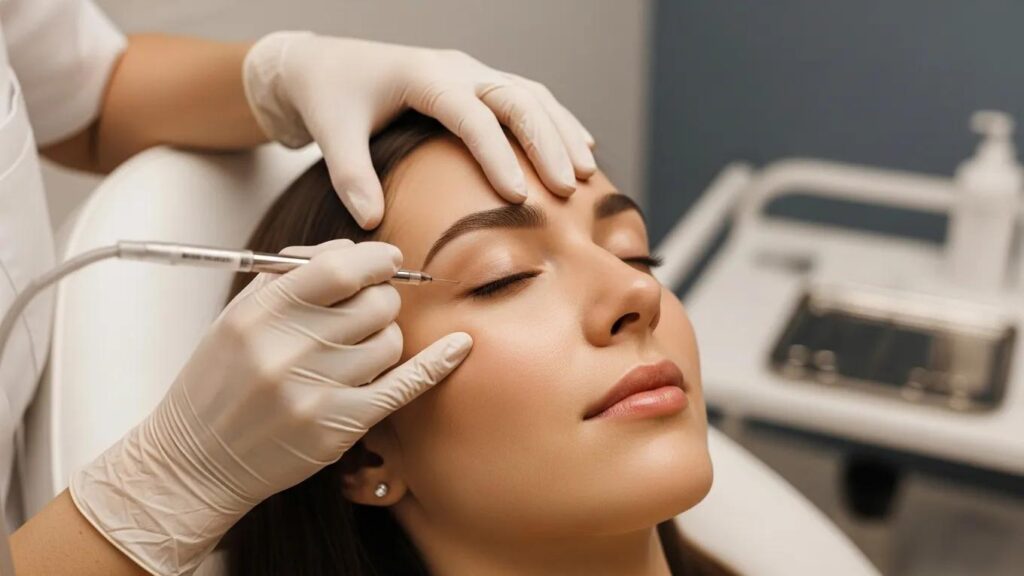
Understanding the Longevity of Under-Eye Rejuvenation Treatments: How Long Do Results Last and What to Expect

By Tunde Abisogun, Cosmetic & Medical Dermatology in Beverly Hills | Couture Dermatology
Under-eye rejuvenation procedures are established interventions for common periorbital concerns, including dark circles, volume depletion, and fine lines. These treatments can materially improve facial appearance; however, the expected duration of effect varies and is central to expectation management. This article reviews the determinants of result longevity, describes the patient experience during and after procedures, and summarizes available treatment modalities to inform maintenance planning.
Factors Influencing Duration:
Result durability is determined by the selected modality and patient-specific variables. A clear understanding of these determinants supports informed decision-making regarding aesthetic objectives and treatment scheduling.
Type of Treatment:

Treatment modality directly affects the expected duration of clinical effect. Common options include:
- Hyaluronic Acid Fillers: These fillers provide immediate volumetric restoration and typically persist for approximately 6 to 12 months, influenced by product selection and patient metabolism.
- Laser Treatments: Laser skin resurfacing can improve dermal texture and reduce rhytides, with clinical benefits generally persisting from 1 to 5 years; periodic maintenance may be required.
- PRP Injections: Platelet-rich plasma injections promote collagen synthesis and can deliver outcomes that extend to 12–18 months, subject to individual healing responses.
Accurate knowledge of typical modality-specific durability is essential to establish realistic treatment expectations.
Individual Factors:
Patient characteristics substantially influence longevity. Variables such as skin type, chronological age, and lifestyle behaviors affect outcomes. Younger patients with greater dermal elasticity often retain benefits longer. Conversely, cumulative ultraviolet exposure, tobacco use, and inconsistent skincare can reduce the duration of effect.
What Patients Can Expect During and After Treatment:
Patients scheduled for under-eye procedures should receive comprehensive counselling on procedural steps and the anticipated recovery course to support informed consent and reduce anxiety.
During Treatment:
The care pathway commonly begins with a consultation in which the clinician evaluates the periorbital anatomy and recommends an evidence-based treatment plan. The clinical process may include the following elements:
- Consultation Process: A systematic assessment of the under-eye region to determine the most appropriate intervention.
- Treatment Duration: Many procedures, including filler injections, can be completed in under an hour; laser protocols may require additional time depending on treatment extent.
Familiarity with these steps supports patient preparedness and informed decision-making.
After Treatment:
Appropriate post-procedure care is critical to achieving optimal results. Patients can expect the following:
- Recovery Timeline: Transient swelling and ecchymosis are common and typically resolve within 1 to 2 weeks.
- Post-Treatment Care: Adherence to clinician-provided aftercare instructions, including activity modification and photoprotection, promotes healing and may extend treatment durability.
Strict compliance with aftercare recommendations facilitates recovery and supports sustained outcomes.
What Are the Common Under-Eye Rejuvenation Treatments and Their Mechanisms?
Multiple modalities are used for under-eye rejuvenation, each with a defined mechanism of action. Our aesthetic services present a range of options targeted to specific periorbital concerns.
- Dermal Fillers: Injectables restore volume and smooth fine lines by introducing hyaluronic acid to attract moisture and augment subcutaneous support.
- Laser Skin Resurfacing: Focused laser energy ablates damaged epidermal layers and stimulates dermal remodeling to increase collagen and improve texture.
- Neuromodulators: Agents such as Botox reduce dynamic rhytides by transiently inhibiting muscle contraction.
Each modality provides distinct clinical benefits and risks; a qualified dermatologist should review options to align treatment selection with patient goals.
How Do Dermal Fillers Work for Under-Eye Volume Restoration?
Dermal fillers are commonly employed to address infraorbital hollows and periorbital volume loss. Most formulations contain hyaluronic acid, a naturally occurring glycosaminoglycan that retains water and contributes to tissue structure. Intraregional injection replenishes volume, reduces shadowing, and attenuates the appearance of dark circles when anatomically indicated.
Clinical improvement is often apparent immediately following treatment. Longevity varies by product characteristics and patient metabolism. For individualized treatment planning, review available non-surgical options such as our non-surgical facelift services.
What Is the Role of Laser Skin Resurfacing in Under-Eye Rejuvenation?

Laser skin resurfacing treats periorbital epidermal and superficial dermal irregularities by removing damaged tissue and inducing controlled thermal injury to stimulate neocollagenesis. The procedure can reduce fine lines, improve pigmentation, and enhance overall skin texture.
Patients should expect measurable improvements in texture and tone, with outcomes that commonly persist for 1 to 5 years. Maintenance sessions may be necessary to preserve results. For procedural details and indications, consult our documentation on skin resurfacing.
How Long Do Results from Dermal Fillers Typically Last Under the Eyes?
Duration of effect for under-eye dermal fillers varies by formulation and patient factors. Hyaluronic acid fillers most commonly yield 6 to 12 months of benefit; certain advanced formulations may extend efficacy to approximately 18 months in select patients.
Patient age, dermal quality, and lifestyle variables also influence persistence of effect. Younger individuals with greater skin elasticity often exhibit longer-lasting results compared with older patients.
Which Types of Dermal Fillers Offer the Longest Under-Eye Results?
Patients evaluating fillers for infraorbital rejuvenation often consider durability. Common options include:
- Hyaluronic Acid Fillers: Widely used for under-eye treatments; typical duration is 6 to 12 months.
- Calcium Hydroxylapatite Fillers: Denser formulations that may persist up to 18 months and can stimulate collagen.
- Poly-L-lactic Acid Fillers: Collagen stimulators that produce gradual volumetric improvement and can offer effects lasting up to two years.
Selection of the optimal filler requires evaluation of patient anatomy, goals, and tolerance for potential risks; consultation with a qualified dermatologist is recommended.
What Patient Factors Influence the Duration of Under-Eye Filler Effects?
Several patient-specific variables influence filler longevity, including:
- Metabolism: Individuals with higher metabolic rates may resorb fillers more rapidly.
- Skin Type and Age: Younger patients with more resilient dermal structures often retain effects longer than older patients with attenuated dermis.
- Lifestyle Choices: Ultraviolet exposure, tobacco use, and skincare adherence impact skin integrity and treatment durability.
Recognizing these variables assists clinicians and patients in setting realistic expectations for outcomes.
What Is the Expected Longevity of Laser Skin Resurfacing for Under-Eye Wrinkles?
Laser resurfacing can deliver substantial improvement in under-eye rhytides, with results typically lasting between 1 and 5 years. Longevity is influenced by skin phototype, patient age, and compliance with post-procedural care.
To optimize and extend benefits, patients should follow a comprehensive skincare regimen and consistent photoprotection. Periodic maintenance treatments may be warranted to sustain clinical effect.
How Does Collagen Stimulation Affect Long-Term Skin Tightening?
Collagen induction is a principal mechanism of action for laser resurfacing and certain filler types. Increased collagen content improves dermal tensile strength, leading to firmer skin and smoother texture.
Over subsequent months, progressive collagen remodeling contributes to sustained skin tightening; patients may observe incremental improvement as tissue remodeling continues.
What Maintenance Is Required to Prolong Laser Treatment Benefits?
To preserve the benefits of laser resurfacing, patients should consider the following maintenance strategies:
- Regular Follow-Up Treatments: Scheduling maintenance sessions every 6 to 12 months can support sustained results.
- Skincare Regimen: Use of clinically validated topical agents that support hydration and collagen synthesis enhances outcomes.
- Sun Protection: Consistent application of broad-spectrum sunscreen mitigates UV-induced dermal degradation that diminishes treatment effects.
Consistent application of these strategies can materially extend the longevity of laser treatment benefits.
How Do Neuromodulators Contribute to Under-Eye Wrinkle Reduction and Their Duration?
Neuromodulators, such as Botox, reduce dynamic periorbital rhytides by temporarily inhibiting targeted muscle activity. This mechanism smooths fine lines and helps prevent formation of new dynamic creases.
The clinical effects of neuromodulators commonly persist for 3 to 6 months, after which maintenance injections may be required to preserve the therapeutic outcome. Understanding expected duration supports appropriate scheduling of follow-up care.
What Is the Typical Duration of Neuromodulator Effects Under the Eyes?
Duration of effect for neuromodulators varies by individual factors, product selection, and injection site, but most patients experience 3 to 6 months of benefit. Metabolic rate and treatment parameters influence longevity.
Regular follow-up treatments are standard practice to maintain results; patients should discuss individualized maintenance intervals with their dermatologist.
Are Neuromodulators Suitable for All Under-Eye Wrinkle Types?
Neuromodulators are indicated for dynamic wrinkles produced by muscle contraction. They are less effective for static rhytides, which are present at rest and may require volumizing fillers or resurfacing modalities.
A consultation with a qualified dermatologist is necessary to determine the most appropriate intervention based on wrinkle classification and aesthetic objectives.
How Are Personalized Treatment Plans Developed to Maximize Under-Eye Rejuvenation Longevity?
Personalized treatment planning requires a comprehensive assessment of patient anatomy, goals, and underlying etiologies. Clinicians evaluate multiple variables, including:
- Diagnosis of Underlying Causes: Identifying contributors such as soft-tissue volume loss or dermal laxity is essential to target therapy appropriately.
- Patient Needs and Goals: Clarifying aesthetic objectives ensures alignment of the treatment plan with expected outcomes.
A tailored approach enables clinicians to maximize durability of results while aligning treatment with patient expectations.
What Factors Do Dermatologists Consider When Designing Under-Eye Treatment Regimens?
When designing treatment regimens, dermatologists evaluate key elements to ensure safety and efficacy, including:
- Patient History: A detailed medical and procedural history informs risk assessment and selection of appropriate modalities.
- Skin Type and Condition: Dermal characteristics guide modality choice and parameter settings.
- Desired Outcomes: Clear discussion of goals allows for a targeted, patient-centred plan.
These considerations support the development of a safe, evidence-based treatment regimen tailored to the individual.
How Does Ongoing Maintenance Influence Treatment Duration?
Ongoing maintenance is a determinant of sustained clinical benefit. Scheduled follow-up and periodic touch-up treatments help preserve results and may reduce the need for more invasive interventions later.
Patients should adhere to clinician recommendations for maintenance care, including topical regimens, scheduled touch-ups, and advised lifestyle modifications. Consistent maintenance supports prolonged rejuvenation outcomes.
What Are the Common Side Effects and Recovery Times Associated with Under-Eye Rejuvenation Treatments?
All medical procedures carry potential adverse effects. Familiarity with expected events enables appropriate planning and informed consent.
What Are Typical Side Effects of Dermal Fillers and Laser Resurfacing?
Common adverse events associated with dermal fillers and laser resurfacing include:
- Dermal Fillers: Localized swelling, bruising, and tenderness at the injection site are common and generally resolve within several days.
- Laser Resurfacing: Expected effects include erythema, edema, and desquamation, with recovery duration dependent on treatment depth and individual healing response.
Awareness of these potential effects facilitates appropriate management and realistic recovery planning.
How Long Is the Recovery Period for Each Treatment Type?
Recovery intervals vary by modality. Typical timelines include:
- Dermal Fillers: Minimal downtime; most patients resume normal activities within 24–48 hours.
- Laser Resurfacing: Extended recovery relative to injectables, often spanning 5 to 14 days depending on treatment intensity.
Understanding anticipated recovery timelines assists patients in scheduling treatments and planning post-procedural care.
Although conventional fillers provide immediate volumetric correction, autologous biofillers that utilize the patient’s own biological material may offer regenerative benefits and a favorable safety profile for infraorbital augmentation.
Biofillers for Infraorbital Rejuvenation: Efficacy and Durability
Rising demand for non-surgical cosmetic interventions has increased the clinical adoption of autologous biofillers for infraorbital rejuvenation. Their minimally invasive application, biocompatibility, and potential cost-effectiveness contribute to this trend. Periorbital hyperpigmentation and age-related suborbital volume loss are prominent aesthetic concerns. Compared with hyaluronic acid fillers, biofillers derived from platelet-rich plasma may offer a regenerative and lower-risk alternative by utilizing autologous biological material, which can enhance therapeutic outcomes in the suborbital region.
A Comprehensive Evaluation of Biofillers for Infraorbital Rejuvenation, 2025
For patients who prefer to address fine lines and dermal texture without injectable agents, Eyelight technology represents a non-invasive alternative distinct from the immediate volumizing effect of dermal fillers.
Eyelight versus Under-Eye Fillers: Durability and Anticipated Outcomes
Eyelight is suited to address fine lines, mild dermal laxity, and a lacklustre periorbital complexion. The modality progressively improves texture, tone, and radiance across a series of treatment sessions, producing natural-appearing results without injectable substances. Conversely, dermal fillers provide immediate volumetric restoration and are effective for marked periorbital hollows; however, injectable treatment carries potential risks such as ecchymosis or edema, and maintenance treatments are typically required every 6 to 12 months.
Eyelight vs Under-Eye Fillers: Which Is Better?
Frequently Asked Questions
What are the benefits of using biofillers for under-eye rejuvenation?
Autologous biofillers, such as platelet-rich plasma, offer biocompatibility that reduces the likelihood of allergic reaction relative to synthetic materials. They stimulate endogenous collagen production, producing gradual and potentially durable improvements in skin texture and soft-tissue volume while supporting overall dermal health. This regenerative strategy is an appropriate option for patients seeking biologically based solutions.
How does Eyelight technology differ from traditional fillers?
Eyelight is a non-invasive modality focused on improving skin texture, tone, and luminosity over multiple sessions, rather than providing immediate volumetric correction. It is indicated for mild skin laxity and dull periorbital complexions and avoids risks inherent to injections. Results develop progressively and yield a natural appearance when performed according to protocol.
What should I consider when choosing between fillers and laser treatments?
Selection should be guided by the primary clinical concern, desired timeline for results, and acceptable downtime. Fillers are effective for immediate volume restoration and focal hollows; laser treatments principally address texture, pigmentation, and rhytides and may provide longer-lasting structural improvement. A dermatologic consultation will clarify the optimal approach for the patient’s indications and lifestyle.
Are there any long-term effects of using neuromodulators for under-eye wrinkles?
Neuromodulators such as Botox effectively reduce dynamic rhytides by transient muscle inhibition. With repeated long-term use, there is a potential for localized muscle atrophy that may alter facial dynamics. Patients typically require maintenance injections every 3 to 6 months. Discussing long-term implications with a qualified dermatologist is recommended to balance benefits and risks.
What lifestyle changes can help prolong the results of under-eye treatments?
To extend treatment longevity, adopt a comprehensive lifestyle approach: maintain a balanced diet rich in antioxidants, ensure adequate hydration, apply broad-spectrum sunscreen daily to limit UV damage, cease tobacco use, and manage stress. Consistent use of moisturising and collagen-supporting topical agents also contributes to sustained dermal health.
How often should I schedule maintenance treatments for optimal results?
Maintenance frequency depends on modality. For dermal fillers, touch-ups are commonly recommended every 6 to 12 months. Laser-based interventions may warrant follow-up treatments every 6 to 18 months to sustain benefits. A dermatologist can provide a personalised maintenance schedule based on treatment type and individual response.
Conclusion
Clear knowledge of treatment durability enables patients to make informed choices aligned with their aesthetic objectives. Considering modality-specific characteristics and individual patient factors supports optimal and realistic outcomes. Regular maintenance and an individualized skincare regimen are key to prolonging therapeutic benefit. Explore our aesthetic services to identify the treatment most appropriate for your periorbital concerns.