
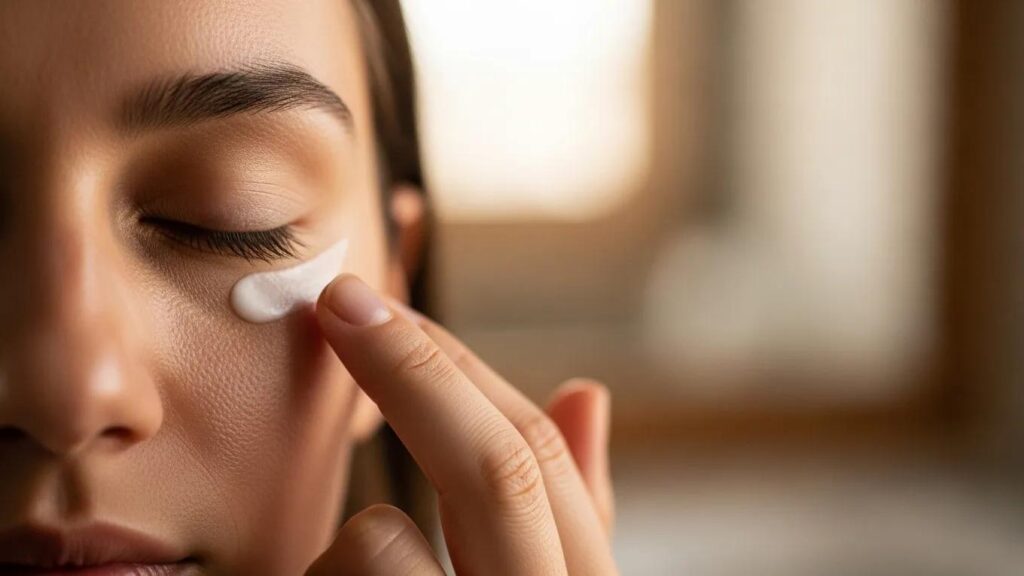
How to Choose the Best Under Eye Bags Treatment

By Tunde Abisogun, Cosmetic & Medical Dermatology in Beverly Hills | Couture Dermatology
Periorbital malar bags often cause concern and prompt patients to seek rejuvenation. This guidance describes how to evaluate available treatments for under eye bags, covering non-surgical and surgical modalities. It outlines treatment modalities, selection criteria, and anticipated outcomes. Comprehension of the aetiology and contributing factors is necessary to make an informed choice. The text also emphasises the role of individualized treatment plans in optimising efficacy and safety.
What Are Under Eye Bags and What Causes Them?
Under eye bags are defined by prominence or puffiness beneath the lower eyelid that produces a fatigued or aged appearance. Etiologies include genetic predisposition, chronological ageing, and modifiable lifestyle factors. Age-related loss of skin elasticity and increased prominence of orbital fat pads contribute to bag formation. Additional contributors such as sleep deficiency, psychological stress, and suboptimal nutrition may exacerbate the clinical appearance. Accurate identification of these causes informs appropriate therapeutic selection.
Common Factors Contributing to Under Eye Swelling and Bags
Several factors contribute to the development of under eye bags, including:
- Genetic Factors: Family history can play a significant role in the likelihood of developing under eye bags.
- Aging Effects: As skin ages, it loses collagen and elasticity, making bags more noticeable.
- Lifestyle Influences: Poor sleep, high salt intake, and smoking can all contribute to puffiness under the eyes.
Recognition of these factors permits targeted intervention and supports selection of the most appropriate therapeutic modality.
Treatment Options
Management options for under eye bags span non-invasive procedures to operative blepharoplasty. Each option presents specific benefits and procedural risks. A clear understanding of indications and adverse effect profiles is essential when considering treatment.
| Treatment Type | Effectiveness | Potential Side Effects |
|---|---|---|
| Injectable Fillers | High | Bruising, swelling |
| Laser Skin Resurfacing | Moderate to High | Redness, peeling |
| Blepharoplasty (Surgery) | Very High | Scarring, infection |
Hyaluronic acid injectable fillers are frequently utilised to restore volume and smooth the infraorbital region. Laser resurfacing addresses epidermal and superficial dermal irregularities and can reduce dyschromia. Blepharoplasty surgically removes excess skin and adipose tissue and is considered a durable corrective option.
What Are the Best Non-Surgical Under Eye Bag Treatments Available?

Non-surgical options commonly employed for infraorbital rejuvenation include the following modalities:
- Injectable Fillers: These are used to add volume to the under eye area, reducing the appearance of bags and dark circles.
- Laser Skin Resurfacing: This treatment helps improve skin texture and tone, making the under eye area appear smoother.
- PRP Injections: Platelet-rich plasma (PRP) therapy utilizes your body’s own growth factors to rejuvenate the skin.
These interventions are less invasive than operative procedures and generally require reduced recovery time, which may be preferable for patients seeking limited downtime.
How Do Injectable Fillers Address Under Eye Volume Loss?
Injectable fillers restore volume to the infraorbital region to mitigate the visual prominence of bags. Typically composed of hyaluronic acid, fillers are placed in the tear trough to smooth the transition between the lower eyelid and malar eminence. This approach reduces bag visibility and refines facial contour. Duration of effect commonly ranges from six months to one year, contingent upon the product used. For a comprehensive overview of non-surgical rejuvenation, explore non-surgical facelift options.
Biofillers for Non-Surgical Infraorbital Rejuvenation
The increasing demand for non-surgical cosmetic procedures has driven interest in infraorbital rejuvenation using autologous biofillers. This trend is attributed to their minimally invasive profile, biocompatibility, and cost-effectiveness. Periorbital dark circles and age-related volume depletion substantially affect facial aesthetics. In contrast to hyaluronic acid fillers, biofillers derived from platelet-rich plasma (PRP) provide a regenerative alternative by utilising the patient’s autologous biological material to potentially enhance treatment outcomes in the infraorbital region.
A Comprehensive Evaluation of Biofillers for Infraorbital Rejuvenation, 2025
What Are the Benefits of Laser Skin Resurfacing for Eye Bags?
Laser skin resurfacing confers several clinical benefits in the management of under eye bags, including:
- Improved Skin Texture: The laser removes the outer layer of skin, promoting the growth of new, healthier skin.
- Reduction of Discoloration: This treatment can help lighten dark circles and even out skin tone.
- Long-lasting Results: Many patients experience significant improvements that can last for years with proper skincare.
This modality is appropriate for patients who seek enhancement of periorbital dermal quality without operative intervention. Learn more about the advanced skin resurfacing techniques available.
Endolift Laser for the Management of Lower Eyelid Bags
Lower eyelid bags are a common aesthetic concern and may require novel therapeutic strategies. This pilot study enrolled nine patients with lower eyelid bags who underwent Endolift therapy using a 200–300-nm fiber and were followed for six months. Assessments included biometric measures and independent evaluations by three blinded dermatologists, in addition to patient-reported satisfaction. Biometric results demonstrated significant increases in dermal and epidermal thickness and improvements in skin elasticity in the treated area. Endolift produced good to very good clinical improvement in approximately 90% of patients. Photographic analysis reported a 90% improvement in eyelid bag appearance (P<0.05). The authors concluded that Endolift laser therapy is a safe and effective minimally invasive option, with limited downtime and adverse events. The procedure is described as pain-free and bloodless, without the need for sutures, and may represent a viable alternative to surgical intervention for selected patients.
Endolift laser an effective method for the lower eye bag treatment: a case series study, MA Nilforoushzadeh, 2022
When Should Surgical Options Like Blepharoplasty Be Considered?
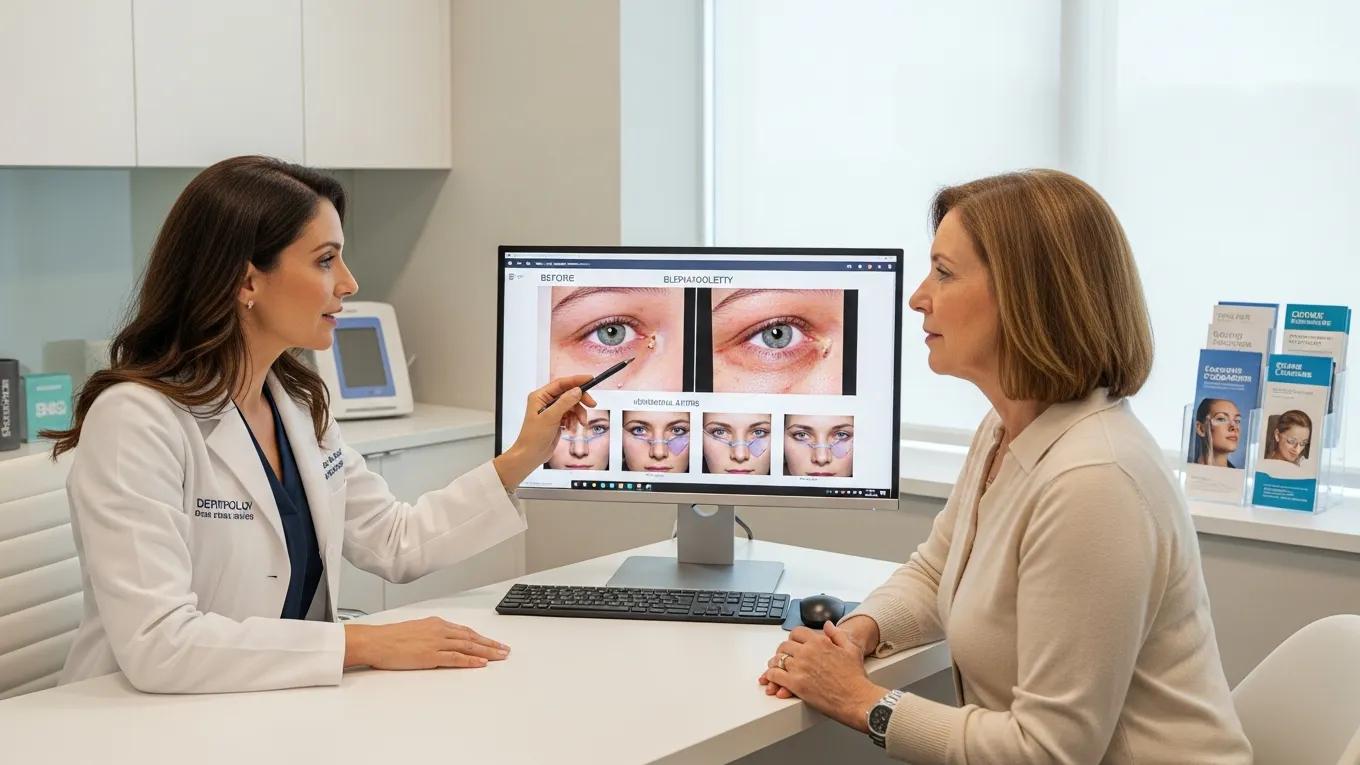
Surgical intervention, such as blepharoplasty, is appropriate when conservative and non-surgical measures fail to achieve satisfactory correction. Indications include pronounced skin laxity and clinically significant orbital fat prolapse. Blepharoplasty is indicated for patients seeking a more definitive and long-term result.
What Are the Indications and Expected Outcomes of Blepharoplasty?
Blepharoplasty is indicated for patients with:
- Persistent Under Eye Bags: Those who have not seen improvement with non-surgical treatments.
- Skin Laxity: Excess skin that contributes to a tired appearance.
- Desire for Long-lasting Results: Patients looking for a more permanent solution.
Anticipated outcomes include a more youthful and refreshed periorbital appearance. Patient satisfaction rates are generally high when appropriate candidates undergo the procedure.
How Does Recovery Time Compare Between Surgical and Non-Surgical Treatments?
Recovery intervals differ between modalities. Non-surgical treatments generally entail minimal downtime, with most patients resuming routine activities within 24–48 hours. Surgical procedures such as blepharoplasty typically require one to two weeks of recovery, during which oedema and ecchymosis are common and expected.
Criteria for Selection
Selection of the optimal treatment requires evaluation of multiple factors, including:
- Diagnosis: Understanding the underlying causes of your under eye bags is crucial.
- Skin Type Considerations: Different treatments may be more suitable for various skin types.
- Desired Outcomes: Clarifying what results you hope to achieve will guide your treatment choice.
Consultation with a board-qualified dermatologist facilitates assessment of these criteria and supports evidence-based decision making. Explore the range of aesthetic services offered to identify the most appropriate options for your presentation.
How to Evaluate and Choose the Right Dermatological Treatment for Your Under Eye Bags?
Evaluation of an appropriate treatment plan requires a structured assessment of clinical findings and patient goals. Consider these steps:
- Consultation: Schedule a consultation with a dermatologist to discuss your concerns and treatment options.
- Personalized Treatment Plans: Tailored plans can enhance the efficacy and safety of your chosen treatment.
- Post-Treatment Care: Understanding the care required after treatment is essential for optimal results.
What Factors Should Influence Your Treatment Decision?
Several factors should influence your treatment decision, including:
- Diagnosis Importance: A proper diagnosis can lead to more effective treatment.
- Skin Type Considerations: Different treatments may be more effective based on your skin type.
- Desired Outcomes: Your goals should align with the treatment options available.
Whether you are seeking under-eye rejuvenation or body contouring solutions, individualised care planning is essential.
How Do Personalized Treatment Plans Enhance Efficacy and Safety?
Personalised treatment plans address the patient’s specific clinical parameters and aesthetic objectives, thereby enhancing therapeutic efficacy and safety. Consideration of skin phenotype, chronological age, and lifestyle factors enables the dermatologist to recommend procedures with favourable risk–benefit profiles. This customised approach reduces complication risk and increases the probability of achieving the desired outcome.
What Are the Post-Treatment Care Requirements and Expected Results?
Post-treatment care is vital to optimise outcomes. Standard recommendations typically include:
- Avoiding Sun Exposure: Protecting the treated area from the sun can prevent complications.
- Using Recommended Skincare Products: Following a skincare regimen can enhance healing.
- Regular Follow-ups: Scheduling follow-up appointments allows for monitoring progress and addressing any concerns.
Outcomes vary by intervention but commonly include reduction in infraorbital prominence and overall rejuvenation of the periorbital region.
How to Manage Recovery and Maintain Treatment Benefits?
Effective recovery management requires adherence to post-procedure instructions and maintenance measures. Key strategies include adequate hydration, a nutrient-rich diet containing vitamins and antioxidants, and a consistent skincare regimen. The clinical team at Couture Derma can provide ongoing guidance to preserve and optimise results.
Frequently Asked Questions
What lifestyle changes can help reduce under eye bags?
Targeted lifestyle modifications can mitigate the appearance of under eye bags. Prioritise sufficient restorative sleep and implement stress-management techniques. Adopt a balanced diet rich in micronutrients and limit dietary sodium to reduce fluid retention. Maintain adequate hydration and avoid tobacco use and excessive alcohol intake. A consistent skincare regimen that includes moisturisation and photoprotection further supports periorbital skin health.
Are there any home remedies for treating under eye bags?
Several conservative measures may provide temporary symptomatic relief. Cold compresses (for example, chilled tea bags or cooled cucumber slices) can reduce transient swelling. Emollients such as almond oil or coconut oil may improve skin hydration. Elevating the head during sleep can decrease nocturnal periorbital fluid accumulation. These measures are palliative; persistent or pronounced under eye bags warrant professional evaluation and treatment.
How can I determine if I need surgical treatment for under eye bags?
Assessment for surgical candidacy involves evaluating severity, skin laxity, and response to non-surgical interventions. Surgical blepharoplasty may be appropriate when conservative measures and minimally invasive therapies fail to provide adequate correction, or when excess skin and adipose tissue produce a functional or aesthetic concern. A consultation with a qualified dermatologist or oculoplastic/plastic surgeon will provide an individualized recommendation based on clinical examination and patient goals.
What should I expect during a consultation for under eye bag treatment?
A consultation includes a comprehensive review of medical history, medication use, and prior procedures, followed by a focused periorbital examination. The clinician will discuss the likely aetiology, present evidence-based treatment options, and review anticipated benefits and potential risks. This appointment provides an opportunity to clarify expectations, review recovery timelines, and plan appropriate follow-up.
How can I maintain the results of my under eye bag treatment?
Maintaining treatment outcomes requires adherence to post-procedure care, regular photoprotection, and continued skin maintenance. Hydration, a nutrient-dense diet, and avoidance of tobacco are important. Use clinician-recommended topical agents and attend scheduled follow-up visits to monitor for changes and address concerns promptly.
What are the potential side effects of under eye bag treatments?
Adverse effects vary by modality. Injectable fillers may produce transient bruising, oedema, or erythema at the injection site. Laser therapies can result in temporary redness, desquamation, and heightened photosensitivity. Surgical interventions such as blepharoplasty carry risks including scarring, infection, and prolonged swelling. Discussing the specific risk profile with your treating clinician enables informed consent and appropriate risk mitigation.
Conclusion
Selection of the appropriate treatment for under eye bags should be grounded in accurate diagnosis, realistic outcome expectations, and patient-centred risk assessment. Understanding the spectrum of non-surgical and surgical options allows for an evidence-informed decision tailored to individual needs. Personalised treatment planning optimises results while minimising complications. Consult with a qualified specialist to determine the most suitable approach for your concerns.