

Risks and Downtime in Acne Scar Treatments: Essential Information on Side Effects and Recovery Time

Acne scars can profoundly affect self‑esteem and skin health. Understanding the risks and expected downtime associated with available treatments is essential for patients considering intervention. This article reviews treatment modalities, their complications, and typical recovery timelines to support informed decision‑making. We address common treatment options, the effects of laser skin resurfacing, expected side effects of microneedling and chemical peels, and the role of individualised treatment planning. Selecting an accredited clinic, such as Couture Dermatology and Laser Beverly Hills, may improve safety and outcomes.
What Are the Common Types of Acne Scar Treatments and Their Associated Risks?
Acne scar interventions differ in mechanism and risk profile. Common options include:
- Laser Skin Resurfacing: This method uses focused light to remove damaged skin layers, promoting new skin growth. Risks include redness, swelling, and potential scarring.
- Microneedling: Involves using fine needles to create micro-injuries in the skin, stimulating collagen production. Side effects may include temporary redness and swelling.
- Chemical Peels: These use chemical solutions to exfoliate the skin, improving texture and tone. Risks include irritation, redness, and in some cases, pigmentation changes.
- Dermal Fillers: These can plump up depressed scars but may lead to uneven results or allergic reactions.
Patients must understand each treatment’s benefits and risks to choose appropriately. Couture Dermatology and Laser Beverly Hills provides advanced acne scar refinement using modern laser systems and individualised care plans.
How Do Laser Skin Resurfacing Procedures Affect Risk Levels?
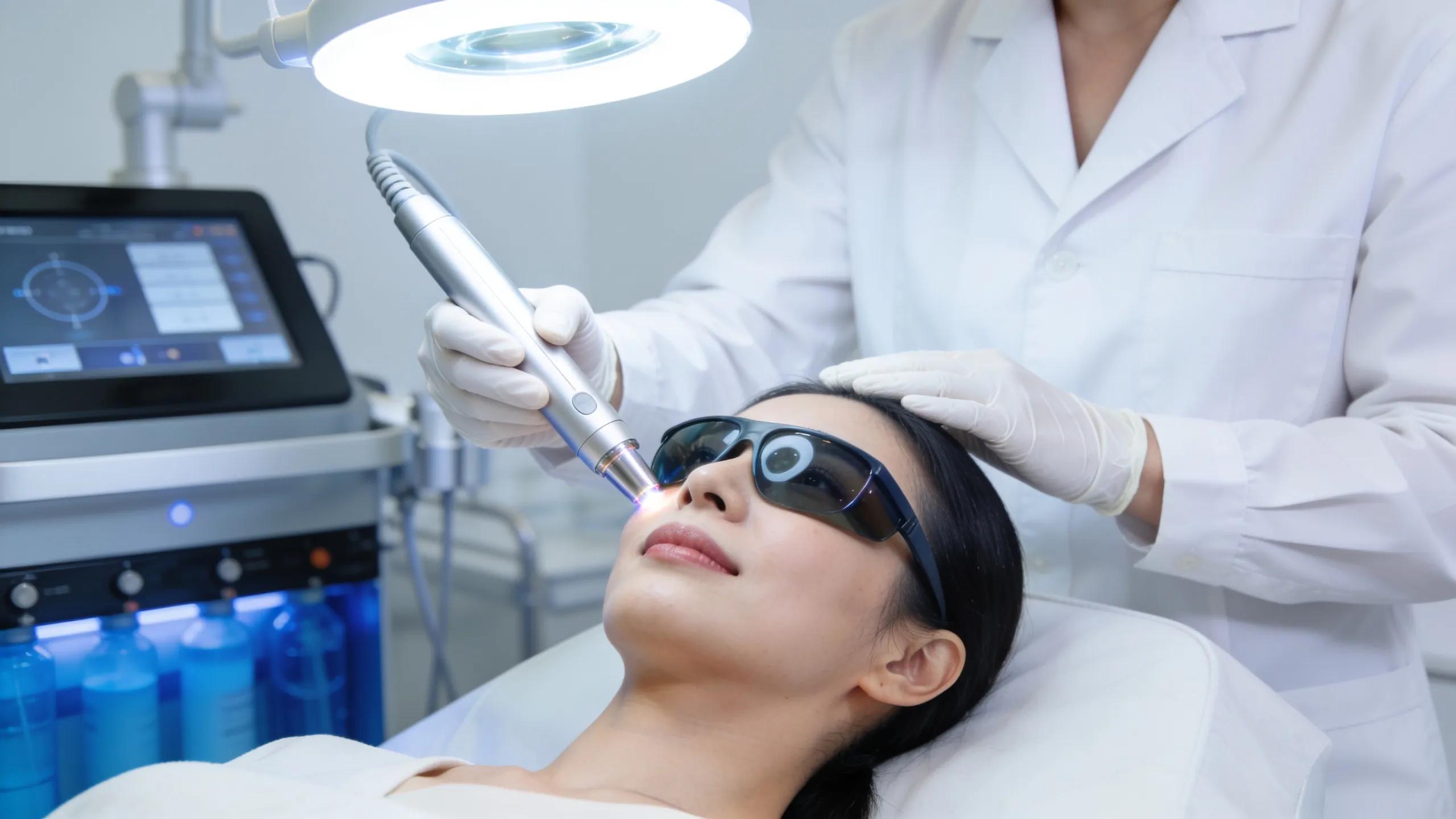
Laser skin resurfacing alters the risk profile by precisely targeting damaged epidermal and dermal tissue to promote re‑epithelialisation and dermal remodelling. While this can accelerate healing and improve texture, potential adverse effects include:
- Redness and Swelling: Common post-treatment reactions that typically subside within a few days.
- Infection Risk: As with any procedure that disrupts the skin barrier, there is a risk of infection if proper aftercare is not followed.
- Scarring: Although rare, improper technique or aftercare can lead to scarring.
Patients should consult credentialed practitioners to minimise complications and optimise outcomes.
What Side Effects Are Typical with Microneedling and Chemical Peels?
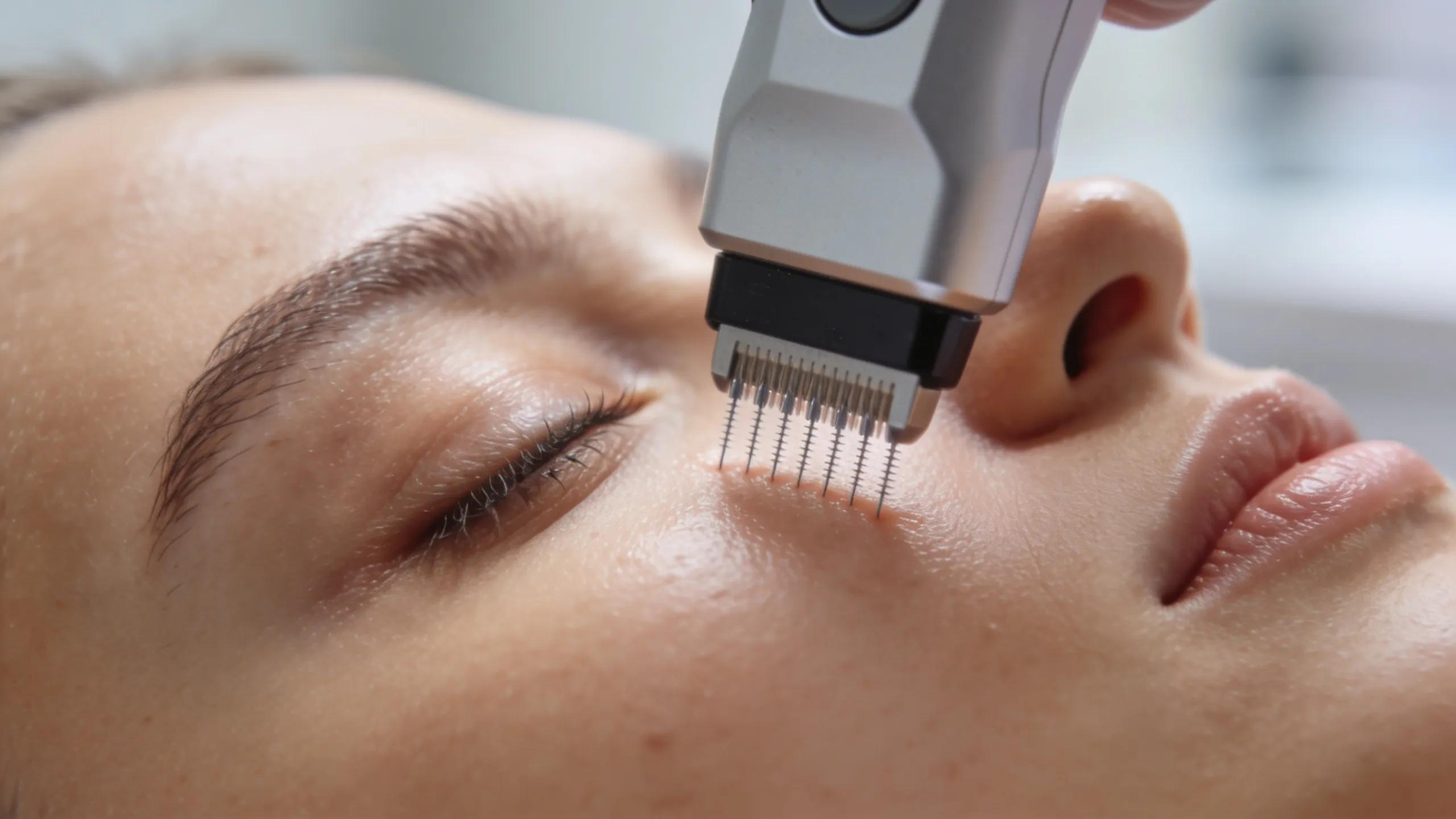
Microneedling and chemical peels are established treatment options for acne scarring; each has characteristic adverse effects that patients should anticipate.
Microneedling Side Effects
Microneedling may produce:
- Temporary Redness: Similar to a mild sunburn, this usually resolves within a few hours to a couple of days.
- Swelling: Mild swelling may occur, which typically subsides quickly.
- Bruising: Some patients may experience minor bruising, especially if they have sensitive skin.
Chemical Peels Side Effects
Chemical peels may result in:
- Irritation and Redness: Common immediately after treatment, lasting a few days.
- Peeling Skin: As the skin heals, peeling is expected, which can last several days.
- Pigmentation Changes: In some cases, especially for darker skin types, there may be a risk of hyperpigmentation.
Awareness of these adverse effects enables patients to plan their recovery and set realistic expectations.
What Is the Expected Downtime and Healing Time After Acne Scar Procedures?
Recovery time varies by modality and treatment intensity.
Laser Skin Resurfacing
- Downtime: Typically 5-7 days, during which patients may experience redness and swelling.
- Healing Time: Full healing can take 2-3 weeks, with improvements continuing for several months as collagen production increases.
Microneedling
- Downtime: Generally minimal, with most patients returning to normal activities within 24 hours.
- Healing Time: Skin may appear slightly red for a few days, but full recovery is usually within a week.
Chemical Peels
- Downtime: Depending on the peel’s strength, downtime can range from 3-7 days.
- Healing Time: Skin peeling may last several days, with full recovery taking up to two weeks.
These timelines assist patients in scheduling treatment and anticipating the recovery period.
How Long Does Recovery Take Following Laser Acne Scar Treatment?
Recovery after laser resurfacing depends on procedure aggressiveness and individual skin characteristics. For patients considering laser skin resurfacing, knowing the typical healing phases is essential.
- Initial Recovery: Patients can expect redness and swelling for about 3-7 days post-treatment.
- Skin Healing: The skin will gradually improve over 2-3 weeks, with optimal results visible after several months as collagen remodeling occurs.
- Post-Treatment Care: Following the clinic’s aftercare instructions is crucial for minimizing downtime and enhancing results.
Adhering to prescribed aftercare protocols significantly influences recovery and supports optimal clinical outcomes.
What Are Patient Experiences Regarding Downtime After Acne Scar Removal?
Patient-reported downtime varies; while initial discomfort and temporary aesthetic changes are common, many patients consider the long‑term benefits to outweigh the short‑term inconvenience.
- Common Concerns: Patients frequently express concerns about redness and swelling, which are typical post-treatment reactions.
- Satisfaction Levels: Most patients report high satisfaction with their results, noting significant improvements in skin texture and appearance.
- Testimonials: Many individuals emphasize the importance of following aftercare instructions to ensure a smooth recovery.
These reports underscore the need for realistic expectations and thorough pre‑treatment counselling.
How Can Personalized Treatment Planning Minimize Risks and Downtime?
Individualised treatment planning reduces risk and downtime and is integral to effective aesthetic care. This tailored approach is a cornerstone of effective aesthetic services.
- Tailored Approaches: Each patient’s skin type, scar severity, and overall health are considered to create a customized treatment plan.
- Risk Mitigation: By assessing individual needs, practitioners can select the most appropriate treatments and techniques, reducing the likelihood of adverse effects.
- Expected Outcomes: Personalized plans often lead to better results, as treatments are designed to address specific concerns effectively.
This approach emphasises consulting experienced clinicians who provide evidence‑based, personalised protocols.
What Role Does Skin Type Play in Tailoring Acne Scar Treatments?
Skin type is a primary determinant in selecting the safest and most effective acne scar interventions.
- Classification: Skin types are generally classified as oily, dry, combination, or sensitive, each requiring different treatment approaches.
- Treatment Adjustments: For instance, individuals with sensitive skin may benefit from gentler treatments, while those with oily skin might require more aggressive options.
- Safety Considerations: Understanding skin type helps practitioners avoid treatments that could exacerbate existing conditions or lead to complications.
Accurate assessment of skin type is essential to ensure safe, effective, and customised care.
Which Risk Mitigation Strategies Are Employed in Personalized Skincare Plans?
Risk mitigation is a fundamental component of personalised skincare plans for acne scar treatment.
- Assessment of Scars: A thorough evaluation of the scars helps determine the most suitable treatment options.
- Active Acne Management: Addressing active acne before scar treatment is crucial to prevent further skin issues.
- Customized Protocols: Developing specific protocols based on individual skin responses can enhance safety and effectiveness.
These strategies support optimal efficacy while minimising the likelihood of adverse events.
What Post-Treatment Care Practices Support Safe Recovery and Reduce Side Effects?
Post‑treatment care is essential to support safe recovery and reduce adverse effects after acne scar procedures.
- Sun Protection: Using sunscreen is critical to protect healing skin from UV damage.
- Moisturization: Keeping the skin hydrated aids in the healing process and reduces irritation.
- Avoiding Irritants: Patients should refrain from using harsh products that could aggravate the skin.
Implementing these measures materially improves recovery outcomes and reduces the risk of complications.
Which Post-Treatment Instructions Are Critical for Optimal Healing?
Adherence to explicit post‑treatment instructions is critical for optimal healing after acne scar procedures.
- Sun Protection: Patients should apply broad-spectrum sunscreen daily to protect healing skin.
- Gentle Cleansing: Using mild cleansers helps avoid irritation during the recovery phase.
- Hydration: Keeping the skin moisturized supports healing and comfort.
Compliance with these measures promotes superior outcomes and a smoother convalescence.
How Does Proper Aftercare Influence Downtime Duration?
Appropriate aftercare reduces downtime and accelerates tissue repair following acne scar interventions.
- Aftercare Practices: Following recommended aftercare practices can reduce inflammation and promote faster healing.
- Patient Experiences: Many patients report shorter downtime when they adhere to aftercare instructions diligently.
- Long-Term Results: Effective aftercare not only aids in immediate recovery but also contributes to the long-term success of the treatment.
This underscores the necessity of patient education on aftercare to ensure optimal outcomes.
What Are the Latest Clinical Findings on Safety and Complication Rates in Acne Scar Treatments?
Recent clinical data demonstrate improved safety and reduced complication rates for contemporary acne scar treatments, attributable to advances in technology and technique.
- Safety Profiles: Studies show that modern treatments, such as fractional laser therapy, have lower complication rates compared to traditional methods.
- Complication Rates: The incidence of severe side effects has decreased, with most patients experiencing only mild, temporary reactions.
- Patient Education: Ongoing research emphasizes the importance of educating patients about potential risks and realistic outcomes.
These data support selecting clinics that adhere to current clinical standards and best practices.
What Do 2024-2026 Studies Reveal About Laser Treatment Risks?
Prospective and retrospective studies from 2024–2026 indicate that laser treatments for acne scarring have a favourable safety profile with low rates of significant complications.
- Findings: Research indicates that the majority of patients experience minimal side effects, primarily temporary redness and swelling.
- Risk Assessment: Ongoing assessments highlight the importance of individualized treatment plans to further reduce risks.
- Patient Safety: These studies reinforce the need for thorough pre-treatment consultations to ensure patient safety and satisfaction.
This evidence provides reassurance for patients evaluating laser therapy.
How Do Recent Statistics Inform Patient Expectations on Side Effects?
Contemporary outcome statistics inform patient expectations regarding side effects from acne scar treatments.
- Statistics: Data shows that over 90% of patients report satisfaction with their results, despite experiencing mild side effects.
- Expectation Management: Understanding the likelihood of side effects helps patients prepare mentally for the recovery process.
- Informed Decisions: These statistics empower patients to make informed decisions about their treatment options.
Clear presentation of these data helps patients form realistic expectations and supports informed consent.
Where Can Patients Find Trusted Expertise for Acne Scar Treatment in Beverly Hills?
Access to qualified specialists in Beverly Hills is important for achieving optimal results. For comprehensive acne scar refinement, consultation with experienced dermatology specialists is recommended.
- Expertise in Beverly Hills: The area is home to numerous qualified dermatologists specializing in advanced acne scar treatments.
- Qualifications of Practitioners: Patients should seek practitioners with extensive experience and positive patient reviews.
- Patient Reviews: Reading testimonials can provide insights into the quality of care and expected outcomes.
Selecting a reputable clinic is critical to ensure safe and effective treatment.
Why Choose Couture Dermatology and Laser Beverly Hills for Acne Scar Refinement?
Couture Dermatology and Laser Beverly Hills is recognised for its commitment to personalised care and advanced procedural techniques in acne scar refinement.
- Expertise of Dr. Chinonso: Dr. Chinonso is renowned for his expertise in dermatological procedures, ensuring high-quality care.
- Personalized Treatment Plans: The clinic offers tailored treatment plans that address individual patient needs and concerns.
- Positive Patient Outcomes: Many patients report significant improvements in their skin texture and overall satisfaction with their results.
This record of positive outcomes positions Couture Dermatology as a reliable option for patients seeking effective acne scar treatments.
How Does Couture Dermatology Ensure Compliance with HIPAA and CMIA Regulations?
Couture Dermatology gives priority to patient confidentiality and safety through adherence to HIPAA and CMIA requirements.
- Privacy Practices: The clinic implements strict protocols to protect patient information and confidentiality.
- Patient Rights: Patients are informed of their rights regarding their health information and treatment options.
- Consent for Communication: Clear consent processes are established to ensure patients are comfortable with how their information is used.
This commitment to regulatory compliance reinforces the clinic’s dedication to providing safe and trustworthy care.
Frequently Asked Questions
1. What can I expect during the consultation for acne scar treatments?
During the consultation the dermatologist will evaluate skin type, scar severity and relevant medical history. The clinician will explain available interventions, associated risks, expected outcomes and alternative options. Patients should raise questions, state concerns, and align aesthetic objectives with an evidence‑based treatment plan. A comprehensive consultation is essential for optimising safety and results.
2. Are there any lifestyle changes I should consider before acne scar treatment?
Prior to treatment patients should optimise general health to facilitate healing: maintain hydration, follow a balanced diet with adequate vitamins, cease smoking and limit alcohol. Limit sun exposure and disclose all medications and topical agents to the dermatologist to avoid interactions. These measures support recovery and enhance treatment results.
3. How can I prepare my skin before undergoing acne scar treatment?
Prepare the skin with a consistent regimen: gentle cleansing, regular moisturisation and daily broad‑spectrum sunscreen. Avoid retinoids and strong exfoliants in the week before treatment to reduce irritation. The dermatologist may recommend preconditioning with specific products or mild exfoliation when clinically indicated.
4. What should I avoid doing during the recovery period?
During recovery avoid UV exposure, refrain from picking at scabs or peeling skin, and avoid strenuous exercise that induces heavy sweating. Do not use abrasive or medicated products unless directed by your clinician. Follow the dermatologist’s aftercare instructions to minimise scarring and infection risk.
5. Can acne scar treatments trigger an allergic reaction?
Allergic reactions can occur, particularly with chemical peels or injectable dermal fillers. Patients with known sensitivities must inform their dermatologist of prior adverse events. Patch testing may be performed for specific agents. Thorough pre‑treatment screening and personalised consultations significantly reduce allergic risk and improve safety.
6. How often can I undergo acne scar treatments?
Treatment frequency depends on the modality and the skin’s healing response. Microneedling is commonly performed every 4–6 weeks; chemical peel intervals vary with peel depth; and laser therapies typically require multiple sessions spaced several weeks apart. The dermatologist will prescribe a personalised schedule based on clinical response.
7. What are the long-term effects of acne scar treatments?
Long‑term effects may include improved skin texture, reduced scar visibility and increased collagen deposition. Durable patient satisfaction is more likely when post‑treatment care and follow‑up evaluations are observed. Ongoing use of an appropriate skincare regimen can help maintain results, though individual outcomes vary and expectations should be managed accordingly.
Conclusion
A clear understanding of the risks and expected downtime for acne scar treatments enables patients to select appropriate interventions and mitigate adverse effects. Individualised treatment plans, tailored to skin type and clinical findings, minimise complications and optimise outcomes. Consult a qualified specialist to initiate evaluation and treatment planning. Explore treatment options at Couture Dermatology and Laser Beverly Hills for a professional assessment and personalised care.