
Selecting the Best Acne Scar Removal Treatment for Your Unique Skin Type: Expert Guidance and Options

Acne scars frequently persist after inflammatory lesions and can negatively affect self‑esteem. Selecting the appropriate acne scar removal treatment is essential because different skin types respond differently to each modality. This article summarises available treatments, the factors to weigh by skin type, and typical outcomes. With a clear assessment of your skin and scars, you can make informed decisions that improve the likelihood of effective results. We also outline personalised treatment planning and methods to assess skin type accurately so you can select the optimal approach for your circumstances.
Treatment Options
Several clinically established options exist for acne scar removal, each with distinct mechanisms and efficacy profiles. The most common treatments include:
- Laser Skin Resurfacing: This method uses focused light to remove damaged skin layers, promoting collagen production and skin renewal.
- Microneedling: Involves using fine needles to create micro-injuries in the skin, stimulating collagen and elastin production for smoother skin texture.
- Chemical Peels: These treatments use chemical solutions to exfoliate the skin, removing the top layers and revealing healthier skin underneath.
Each modality can be adjusted for specific skin and scar types; a qualified clinician review is necessary to determine the safest and most effective option. Couture Dermatology and Laser Beverly Hills specialises in advanced, personalised care to ensure appropriate treatment selection for individual needs.
Factors to Consider Based on Skin Type
Choosing an appropriate acne scar treatment requires precise identification of your skin type. The Fitzpatrick classification, which describes skin response to ultraviolet exposure, is a critical factor in assessing treatment safety and efficacy.
- Fitzpatrick Skin Types: Understanding whether you have Type I (very fair) to Type VI (very dark) skin can help determine the safest and most effective treatment options.
- Active Acne Management: If you still have active acne, it is essential to manage it before undergoing scar treatments to prevent further scarring.
- Scar Morphology Assessment: Different types of scars (e.g., ice pick, boxcar, rolling) require specific treatment approaches, making it vital to assess the scar characteristics accurately.
These considerations directly affect the safety profile and anticipated effectiveness of the chosen therapy.
Potential Outcomes
Treatment outcomes differ by modality and individual skin characteristics. Patients can generally expect the following results:
- Improvement in Skin Texture: Most treatments aim to enhance the overall texture and appearance of the skin.
- Reduction in Scar Visibility: Effective treatments can significantly diminish the appearance of scars, leading to improved self-confidence.
- Recovery Time: Depending on the treatment, recovery times can range from a few days to several weeks, with some methods requiring multiple sessions for optimal results.
Understanding these likely outcomes establishes realistic expectations and informs the treatment plan.
Personalized Treatment Plans
Personalized treatment plans are required to optimise outcomes. A tailored strategy accounts for skin phototype, scar morphology, and the patient’s treatment objectives.
- Tailoring Treatments: Each treatment plan should be customized based on the patient’s unique skin needs and the specific characteristics of their scars.
- Consultation with a Dermatologist: A thorough consultation with a qualified dermatologist can help identify the most effective treatment options and create a plan that aligns with your goals.
- Evidence-Based Approach: Utilizing the latest research and techniques ensures that the treatment plan is grounded in proven methods for success.
Booking a consultation with Couture Dermatology and Laser Beverly Hills provides a personalized assessment and a treatment plan aligned to your specific skin type and goals.
What Are the Different Types of Acne Scars and Their Characteristics?
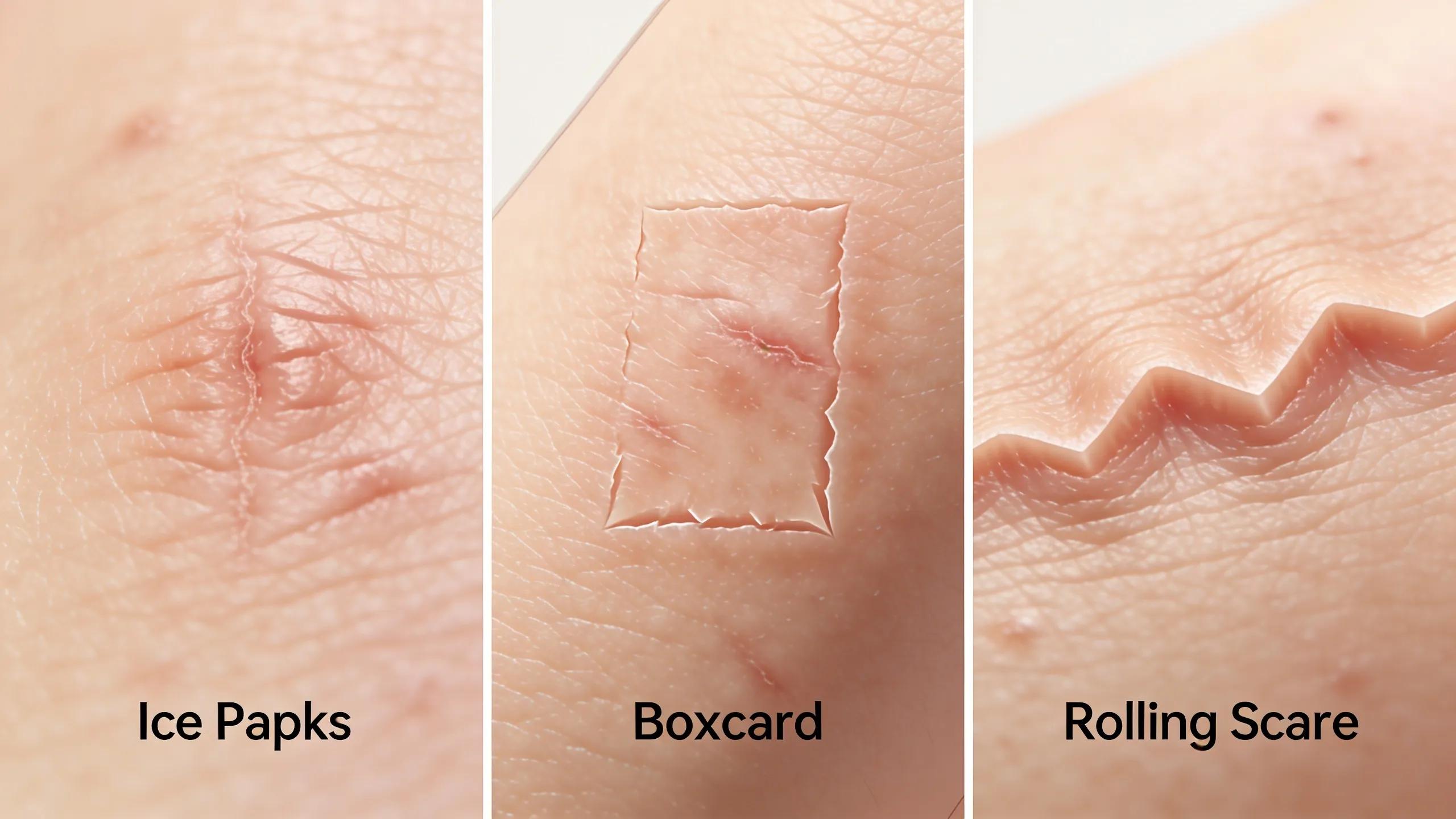
Accurate identification of scar type is essential to select an appropriate intervention. The primary categories are:
- Ice Pick Scars: These are deep, narrow scars that resemble small holes in the skin.
- Boxcar Scars: Characterized by their angular edges, these scars create a pitted appearance.
- Rolling Scars: These scars have a wave-like appearance and are typically wider than ice pick scars.
Treatment responsiveness varies by scar morphology; accurate classification is critical for effective planning.
How Do Ice Pick, Boxcar, and Rolling Scars Differ?
Ice pick, boxcar, and rolling scars differ in depth and contour, which directly influences appropriate treatment selection.
- Ice Pick Scars: These scars are often the most challenging to treat due to their depth and narrowness. Treatments like laser resurfacing or punch excision may be effective.
- Boxcar Scars: These scars can be treated with methods such as microneedling or chemical peels, which help to smooth out the skin’s surface.
- Rolling Scars: These scars may respond well to subcision, a technique that involves breaking the fibrous bands beneath the skin to improve texture.
Distinguishing these features is essential to select the most effective therapeutic approach for a given scar type.
Which Scar Types Respond Best to Specific Treatments?
Specific scar morphologies tend to respond better to certain interventions. For example:
- Ice Pick Scars: Best treated with punch excision or laser resurfacing.
- Boxcar Scars: Often respond well to microneedling and chemical peels.
- Rolling Scars: Typically improve with subcision and laser treatments.
A consultation with a dermatologist will identify the most appropriate treatment for your scar type.
How Can You Accurately Assess Your Skin Type for Acne Scar Treatment?
Accurate skin assessment is a prerequisite for safe and effective acne scar treatment. Recommended steps include:
- Scar Assessment Techniques: A dermatologist can evaluate your scars and skin type through visual examination and patient history.
- Active Acne Control: Managing any active acne is essential before starting scar treatments to prevent new scars from forming.
- Consultation with a Dermatologist: Professional guidance can help ensure that your skin type is accurately assessed, leading to a more effective treatment plan.
What Are the Key Skin Type Classifications Relevant to Treatment?
The Fitzpatrick skin type classification is a primary factor in treatment planning. It categorises skin according to UV response, as follows:
- Type I: Very fair skin, always burns, never tans.
- Type II: Fair skin, burns easily, tans minimally.
- Type III: Medium skin, sometimes burns, tans gradually.
- Type IV: Olive skin, rarely burns, tans easily.
- Type V: Brown skin, very rarely burns, tans easily.
- Type VI: Dark brown or black skin, never burns, tans very easily.
Identifying your Fitzpatrick type guides treatment selection and reduces the risk of adverse effects.
How Does Skin Type Influence Treatment Safety and Effectiveness?
Skin phototype materially affects both the safety and the expected efficacy of acne scar treatments. For example:
- Fair Skin: May be more susceptible to hyperpigmentation after certain treatments.
- Dark Skin: Requires careful consideration of treatment options to avoid post-inflammatory hyperpigmentation.
Selecting modalities that align with your skin type enhances safety and optimises clinical outcomes.
What Are the Most Effective Laser Treatments for Acne Scar Removal?
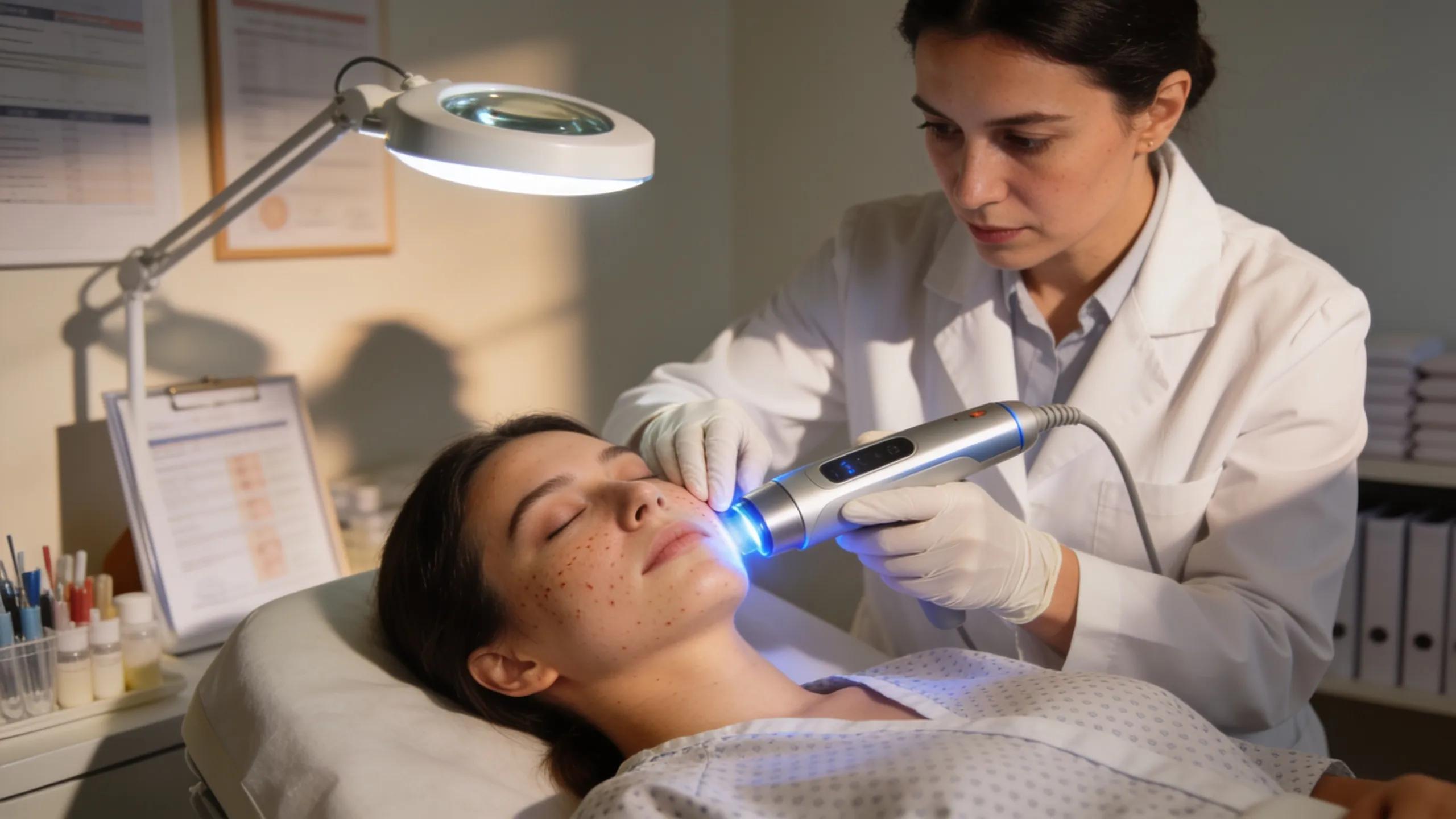
Laser therapies represent a central option for acne scar reduction. The primary categories include:
- Ablative Lasers: These lasers remove the outer layer of skin, promoting new skin growth and collagen production.
- Non-Ablative Lasers: These lasers penetrate the skin without removing the outer layer, stimulating collagen production and improving skin texture.
Both categories can be effective; the choice should be based on scar type and skin phototype.
Which Laser Technologies Are Suitable for Different Skin Types?
Laser selection must account for skin phototype and risk profile. For example:
- Ablative Lasers: Generally more effective for lighter skin types but can be used on darker skin with caution.
- Non-Ablative Lasers: Often safer for darker skin types, as they pose a lower risk of hyperpigmentation.
A dermatology specialist can determine the laser technology most appropriate for your skin.
What Are the Expected Outcomes and Risks of Laser Skin Resurfacing?
Laser skin resurfacing frequently yields measurable improvement in texture and scar visibility. Potential risks include:
- Redness and Swelling: Common after treatment, typically subsiding within a few days.
- Hyperpigmentation: A risk for darker skin types, which can be minimized with proper aftercare.
- Infection: Although rare, it is a potential risk associated with any skin treatment.
Recognising the balance of benefits and risks supports informed consent and appropriate treatment planning.
How Do Microneedling and Chemical Peels Compare for Treating Acne Scars?
Microneedling and chemical peels are effective through distinct mechanisms:
- Microneedling: Involves creating micro-injuries in the skin to stimulate collagen production, leading to smoother skin texture.
- Chemical Peels: Use chemical solutions to exfoliate the skin, removing damaged layers and promoting new skin growth.
Choice of method depends on skin type, scar morphology, and treatment objectives.
What Are the Benefits and Limitations of Microneedling?
Microneedling provides several clinical advantages, including:
- Minimal Downtime: Most patients can return to normal activities within a day or two.
- Collagen Stimulation: Promotes natural collagen production for improved skin texture.
- Versatility: Effective for various skin types and scar types.
Notable limitations include:
- Multiple Sessions Required: Optimal results often require several treatments.
- Not Suitable for Active Acne: Should not be performed on active acne to avoid exacerbating the condition.
How Do Chemical Peels Vary by Depth and Skin Type Compatibility?
Chemical peels differ by depth, which affects their appropriateness for given skin types:
- Superficial Peels: Suitable for all skin types, these peels provide mild exfoliation with minimal downtime.
- Medium Peels: Effective for moderate scars but may not be suitable for darker skin types due to the risk of hyperpigmentation.
- Deep Peels: Provide significant results but carry higher risks and longer recovery times, making them less suitable for sensitive or darker skin types.
Understanding these depth-related differences informs selection and risk mitigation for chemical peels.
What Should Patients Expect During Recovery and Aftercare for Acne Scar Treatments?
Recovery and structured aftercare are integral to the treatment process. Patients should expect the following:
- Initial Redness and Swelling: Common after treatments, typically resolving within a few days.
- Follow-Up Appointments: Essential for monitoring progress and addressing any concerns.
- Aftercare Practices: Important for optimal healing, including sun protection and gentle skincare routines.
Strict adherence to aftercare protocols improves healing and reduces the likelihood of complications.
What Are Typical Recovery Timelines for Laser, Microneedling, and Peels?
Recovery timelines vary by modality:
- Laser Treatments: Typically require 5-10 days for initial healing, with full results visible after several weeks.
- Microneedling: Most patients experience redness for 1-2 days, with improvements seen over several weeks.
- Chemical Peels: Recovery can range from a few days for superficial peels to several weeks for deeper peels.
Awareness of these timelines assists in scheduling and realistic planning for treatment and recovery.
Which Aftercare Practices Ensure Optimal Results and Minimize Complications?
Effective aftercare is essential to maximise results and reduce adverse events. Key practices include:
- Sun Protection: Using sunscreen daily to protect healing skin from UV damage.
- Gentle Skincare: Avoiding harsh products that can irritate the skin during recovery.
- Hydration: Keeping the skin moisturized to support healing and improve results.
Consistent implementation of these measures significantly improves outcomes and lowers complication risk.
How Do Cost, Consultation, and Booking Processes Affect Treatment Selection?
Cost, consultation quality, and booking logistics can materially influence treatment choice. Consider the following factors:
- Understanding Treatment Costs: Different treatments come with varying price points, which can affect accessibility.
- Importance of Consultations: Initial consultations are crucial for assessing skin type and determining the best treatment plan.
- Booking Processes: Streamlined booking processes can enhance the patient experience and ensure timely treatment.
Being informed on these elements helps you select a treatment pathway that aligns with clinical needs and practical considerations.
What Are the Typical Price Ranges for Acne Scar Removal Procedures?
Procedure costs vary according to modality and provider. Typical price ranges include:
- Laser Treatments: Generally range from $1,000 to $3,000 per session, depending on the technology used.
- Microneedling: Typically costs between $300 and $700 per session.
- Chemical Peels: Prices can range from $150 for superficial peels to $1,500 for deep peels.
These estimates assist with budgeting and comparing options among qualified providers.
How Can Patients Schedule Consultations to Receive Personalized Treatment Plans?
Scheduling a consultation is the initial step toward a personalised treatment plan. Recommended actions include:
- Contacting a Dermatologist: Reach out to a qualified dermatologist to discuss your concerns and treatment goals.
- Preparing for the Consultation: Bring any relevant medical history and a list of questions to ensure a productive discussion.
- Follow-Up Care: Discuss the importance of follow-up appointments to monitor progress and adjust the treatment plan as needed.
Couture Dermatology and Laser Beverly Hills offers individualized consultations to evaluate your condition and recommend an evidence‑based treatment plan.
Frequently Asked Questions
1. What is the ideal age to start treatment for acne scars?
The ideal age for initiating treatment varies; it is commonly recommended once skin maturity is reached, typically in the late teens to early twenties. Early intervention can reduce the development of permanent scarring in cases of severe adolescent acne. Adults may seek treatment at any age. A dermatologist consultation will determine the appropriate timing based on individual clinical factors.
2. How can lifestyle factors affect acne scar healing?
Lifestyle factors such as diet, stress, and skincare routines impact scar healing. Adequate intake of vitamins C and E supports tissue repair; stress-related hormonal changes can exacerbate acne and delay recovery. Gentle skincare and avoidance of irritants support healing. Discuss targeted lifestyle measures with your dermatologist.
3. Are there any home remedies effective for treating acne scars?
Certain home remedies may offer mild improvement but generally produce less pronounced results than professional interventions. Agents such as aloe vera, honey, and diluted lemon can support superficial healing; patch testing is advised to prevent irritation. For clinically significant scars, professional treatments matched to skin type are recommended.
4. How often should treatments be repeated for optimal results?
Treatment frequency depends on modality and individual response. Microneedling is commonly scheduled every 4–6 weeks; laser treatments often follow a similar interval. Chemical peel frequency varies according to depth and response. Consult your dermatologist for a personalised treatment schedule.
5. Can acne scar treatments lead to side effects?
Yes. Side effects vary by treatment and may include temporary redness, swelling, and peeling. More serious complications, though uncommon, include infection and post‑inflammatory hyperpigmentation, particularly in darker skin types. Adherence to aftercare instructions and a comprehensive pre‑treatment assessment reduce these risks. Discuss potential adverse events with your dermatologist.
6. How do professional treatments compare to over-the-counter products?
Professional treatments such as lasers and chemical peels penetrate deeper layers and typically yield greater and faster improvement than over‑the‑counter products. OTC options may help mild scarring and improve texture over time but are generally less effective for deeper scars. A dermatologist can advise whether professional therapy or a combined approach is most appropriate.
7. Is it possible to completely remove acne scars?
Complete eradication of acne scars is not always achievable; outcomes depend on scar type and severity. Many patients experience substantial reduction in scar visibility and improved skin texture. Multiple, staged treatments are often required. A dermatologist consultation will provide realistic expectations based on your specific condition.
Conclusion
Selecting a treatment tailored to your skin type can improve texture and reduce scar visibility, which often enhances patient confidence. With options such as laser therapies, microneedling, and chemical peels, accurate assessment of skin and scar characteristics is essential for effective planning. Consult a specialist at Couture Dermatology and Laser Beverly Hills for a personalised evaluation and evidence‑based treatment recommendations.