

Best Acne Scar Treatment Options in Beverly Hills for Clear Skin: Expert Dermatologist Solutions

Acne scarring can substantially affect self-esteem and overall skin appearance, so selecting effective interventions is essential for patients seeking improvement. Beverly Hills clinics provide multiple advanced modalities—including microneedling, laser skin resurfacing, and chemical peels—each targeting different scar types and skin conditions. This article reviews these modalities, explains their mechanisms and clinical benefits, and outlines personalised treatment planning, combination strategies, and typical recovery expectations to support informed patient decisions.
What Are the Most Effective Acne Scar Treatments Available in Beverly Hills?
Beverly Hills clinics offer a spectrum of acne scar interventions customised to clinical presentation and skin type. The primary modalities include the following options.
- Microneedling: This minimally invasive procedure uses fine needles to create micro-injuries in the skin, stimulating collagen production and improving skin texture.
- Laser Skin Resurfacing: Utilizing advanced laser technology, this treatment targets damaged skin layers, promoting new skin growth and reducing the appearance of scars.
- Chemical Peels: By applying a chemical solution, this treatment exfoliates the skin’s surface, encouraging the regeneration of healthier skin and improving overall texture.
These modalities may be used in combination when clinically appropriate, with selection guided by scar severity and the patient’s skin characteristics.
How Does Laser Acne Scar Removal Improve Skin Texture and Appearance?
Laser resurfacing reduces scar visibility by delivering controlled thermal injury to the dermis and epidermis, which stimulates collagen remodelling and epidermal renewal. The procedure induces a regulated wound-healing response that yields smoother texture and a more uniform complexion over time. Laser parameters are adjustable and can be customised to scar depth and skin type to optimise efficacy while minimising risk. For further procedural details, see the laser skin resurfacing resource provided by Couture Dermatology.
Laser Skin Resurfacing in Facial Rejuvenation
Laser skin resurfacing has markedly altered the clinical approach to facial skin rejuvenation over the last decade. This article provides a critical evaluation of laser technology’s role in skin rejuvenation by examining laser parameters, histological and molecular tissue changes, and the expression of relevant proteins during and after laser-assisted procedures. Assessment of laser effects on skin rejuvenation, 2020
What Are the Benefits and Procedure Details of Microneedling for Acne Scars?
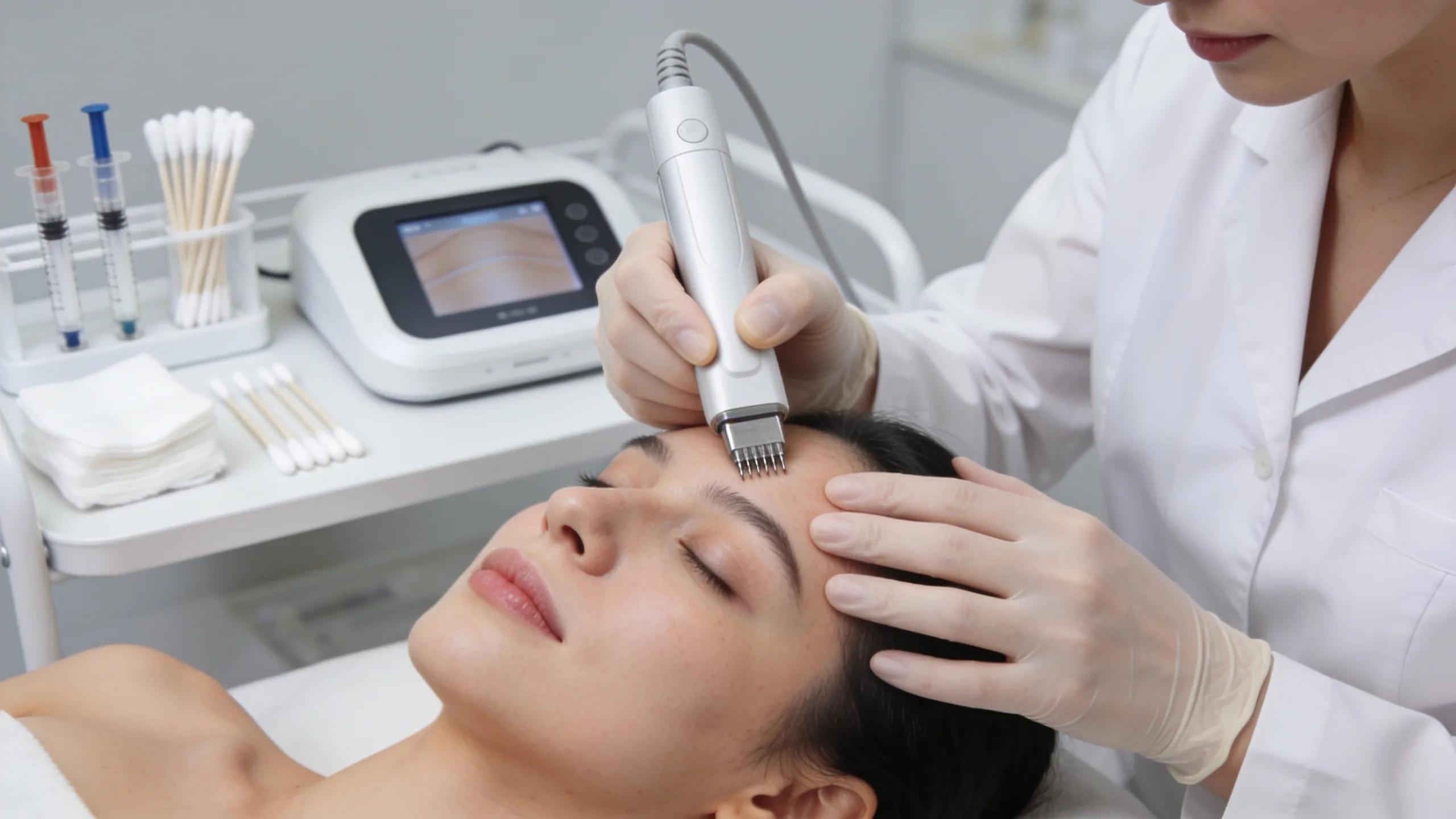
Microneedling promotes collagen synthesis through controlled micro-injury to the dermis, facilitating tissue remodelling and scar softening. The technique is minimally invasive and typically requires limited downtime; clinical improvements are often observable within several weeks. It is particularly effective for rolling and atrophic scars. Treatment parameters are adjusted for skin type and scar morphology to maximise benefit and maintain safety.
How Do Chemical Peels Contribute to Acne Scar Refinement?
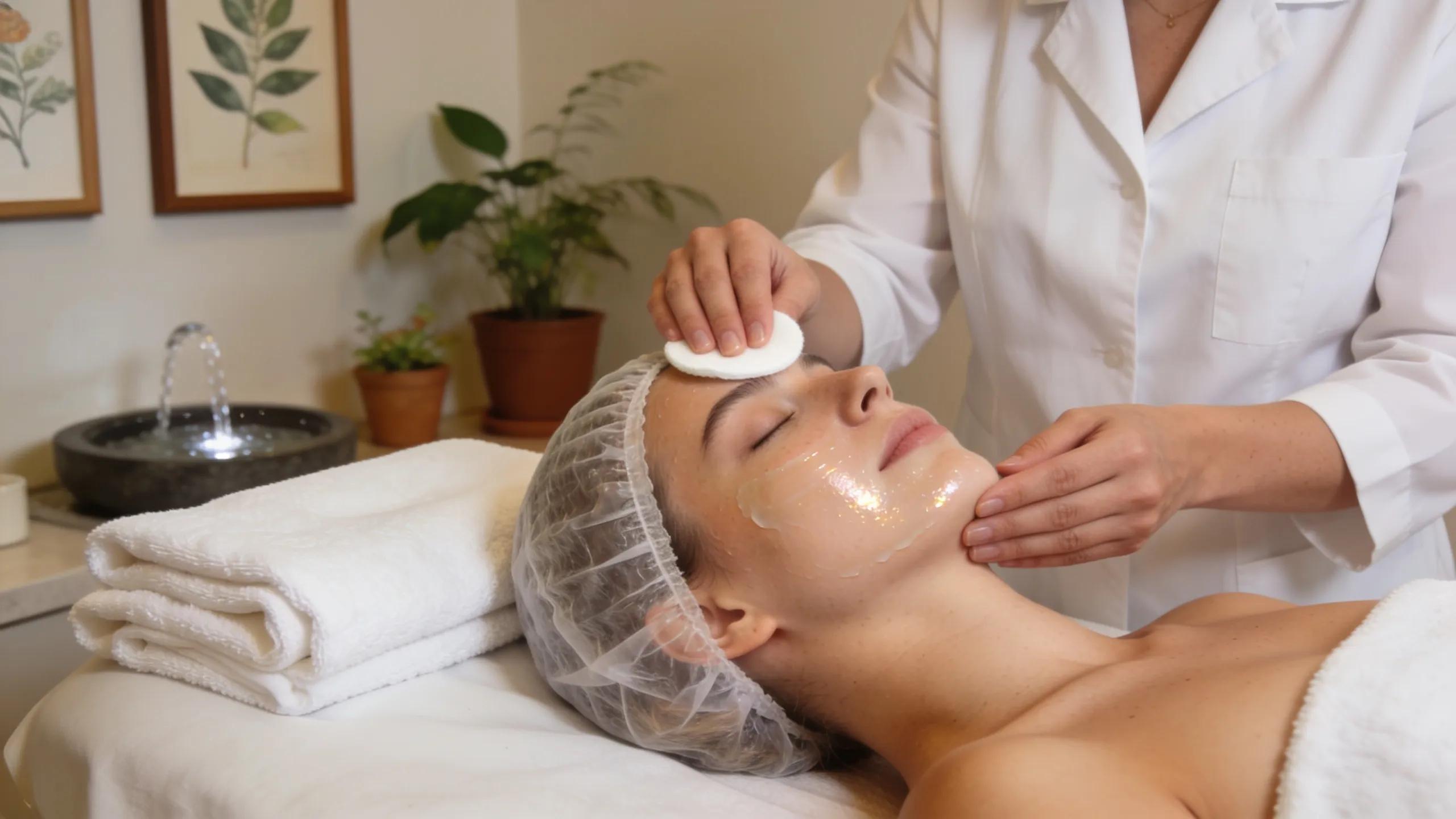
Chemical peels refine acne scars by producing a controlled exfoliation of the epidermis, which facilitates epidermal regeneration and improved surface texture. Peels vary in depth and active agents, allowing dermatologists to select the appropriate strength for the patient’s skin type and scar characteristics. When applied as part of a staged treatment plan, peels can reduce superficial scar irregularities and enhance overall skin quality.
Chemical Peeling: A Mechanism for Dermal Regeneration
Chemical peeling involves application of a chemical agent to induce a controlled epidermal injury that may extend into the dermis. This controlled injury initiates dermal remodelling and regeneration, making chemical peeling a non‑invasive option in the management of select dermatologic and cosmetic indications. Chemical Peeling, 2025
What Personalized Dermatologist Acne Scar Treatments Does Couture Dermatology Offer?
Couture Dermatology provides individualised acne scar programmes tailored to each patient’s clinical presentation. Treatment options are selected based on scar type, skin characteristics, and treatment goals.
- Fractional Laser Therapy: This advanced treatment targets specific areas of the skin, promoting collagen production and improving scar appearance.
- Microneedling: As previously discussed, this technique enhances skin texture and reduces scars through collagen stimulation.
- Subcision: This procedure involves using a needle to break up fibrous tissue beneath the skin, allowing for smoother surface skin and reduced scar visibility.
For additional information or to schedule an evaluation, patients may contact Couture Dermatology at (310) 444-0946.
How Are Treatment Plans Tailored to Individual Scar Severity and Skin Type?
Treatment plans are developed after a comprehensive clinical assessment that evaluates scar subtype, depth, and the patient’s phototype and overall skin health. Dermatologists integrate these findings to determine the optimal modality or combination of modalities, balancing efficacy with safety to achieve the best possible outcome.
What Combination Therapies Enhance Acne Scar Refinement Outcomes?
Combining complementary modalities—such as microneedling with laser resurfacing or adjunctive chemical peels—allows clinicians to address multiple layers of scar pathology. The synergistic application of treatments can improve overall texture and clinical outcome when selected based on objective assessment and tailored to the patient’s response.
What Should Patients Expect Regarding Recovery and Safety of Acne Scar Procedures?
Post-procedure recovery varies by modality. Patients can expect transient erythema and edema after laser resurfacing and microneedling, which generally resolve within days. Chemical peels may produce epidermal peeling over several days. Adherence to prescribed post‑procedure care is essential to promote healing and limit complications. Pre‑treatment assessment and patient education are standard safety measures to mitigate risk.
Are Acne Scar Treatments Painful and What Are the Common Side Effects?
Discomfort during procedures varies by individual and by treatment. Topical anaesthetics are commonly used to minimise procedural pain for microneedling and laser sessions. Typical side effects include temporary redness, swelling, and increased cutaneous sensitivity; these effects are usually self‑limited. More serious adverse events, while uncommon, should be discussed during the informed‑consent process.
How Do Dermatologists Ensure Compliance with HIPAA and Patient Privacy?
Dermatology practices prioritise patient privacy through compliance with HIPAA requirements, employing secure medical record systems, role‑based access controls, and regular staff training on confidentiality and data protection. These measures limit access to protected health information to authorised personnel and uphold legal and ethical standards for patient care.
How Can Patients Evaluate and Choose the Best Acne Scar Treatment Provider in Beverly Hills?
Patients should assess providers using objective criteria that reflect clinical competence and safety. Relevant considerations include board certification, specialised training in acne scar management, and a structured consultation process that includes a diagnostic assessment and treatment plan.
- Provider Qualifications: Look for board-certified dermatologists with specialized training in acne scar treatments.
- Consultation Process: A thorough consultation should be conducted to assess individual needs and develop a personalized treatment plan.
- Patient Reviews: Reading testimonials and reviews from previous patients can provide insight into the provider’s effectiveness and patient satisfaction.
Applying these criteria helps patients select a provider who can deliver safe, evidence‑based care.
What Role Do Patient Testimonials and Before/After Galleries Play in Decision Making?
Testimonials and before/after galleries offer visual and experiential information that can supplement clinical discussion. They provide examples of prior outcomes and contribute to setting realistic expectations; however, individual results vary and should be reviewed in the context of a clinical consultation.
How Does Couture Dermatology Maintain Topical Authority and Clinical Excellence?
Couture Dermatology maintains clinical authority through adherence to evidence‑based protocols and continuous professional development. Under the leadership of Dr. Chinonso, the clinic emphasises ongoing training and the adoption of validated techniques to ensure high standards of care and up‑to‑date treatment options for patients seeking advanced dermatological services. Couture Dermatology is a leading provider of advanced dermatological care and aesthetic services in Beverly Hills.
Each modality offers distinct mechanisms and clinical benefits; understanding these differences enables patients to make informed choices about their care. For comprehensive procedural information, consult the clinic’s acne scar refinement resource.
| Treatment | Description | Expected Results |
|---|---|---|
| Microneedling | Stimulates collagen production through micro-injuries | Improved skin texture and reduced scars |
| Laser Skin Resurfacing | Targets damaged skin layers for renewal | Smoother skin and reduced scar visibility |
| Chemical Peels | Exfoliates skin surface for regeneration | Enhanced skin texture and scar refinement |
This table summarises the principal approaches to acne scar management and supports selection of the most appropriate option based on clinical needs.
Frequently Asked Questions
1. How long do results from acne scar treatments typically last?
Treatment durability varies with modality, scar severity, and skin biology. Results from microneedling and chemical peels often persist for several months to a year, while appropriately performed laser resurfacing can provide longer‑lasting improvement. Ongoing skin maintenance and dermatologist‑directed follow‑up optimise longevity.
2. Can acne scar treatments be performed on all skin types?
Many acne scar interventions are adaptable to a range of skin types. Dermatologists evaluate individual phototype and skin sensitivity to select safe, effective modalities; certain lasers and agent strengths are chosen specifically to reduce risk in darker skin tones. A pre‑treatment assessment determines the optimal approach.
3. Are there any specific aftercare instructions following acne scar treatments?
Post‑treatment care is critical for healing and includes sun avoidance, use of recommended topical agents, and regular moisturisation. Patients may be advised to avoid strenuous activity and sweating for a short period. Specific instructions depend on the procedure performed and should be followed precisely.
4. How many treatment sessions are usually required for noticeable improvement?
The number of sessions required varies; many patients observe improvement after one to three treatments, but more severe scarring may necessitate additional sessions. Your dermatologist will establish a personalised plan and reassess progress to determine the need for further treatment.
5. What is the typical downtime associated with acne scar treatments?
Downtime depends on the chosen procedure. Microneedling generally produces minimal downtime and transient erythema. Laser resurfacing may require several days of recovery with swelling and peeling. Chemical peels can cause peeling lasting a few days to a week; your clinician will provide a detailed recovery timeline.
6. Can I continue my regular skincare routine after treatment?
Immediately after treatment, clinicians typically recommend gentle cleansers and avoidance of active ingredients such as retinoids or strong acids until the skin has stabilised. Reintroduction of regular products should follow the dermatologist’s personalised timeline to prevent irritation and support healing.
7. Are there any risks or complications associated with acne scar treatments?
All procedures carry potential risks. Common, usually transient effects include redness, swelling, and temporary sensitivity. Less common complications include infection or adverse scarring, which are minimised through proper technique, patient selection, and adherence to pre‑ and post‑treatment instructions. Discuss risks during consultation.
Conclusion
Microneedling, laser resurfacing, and chemical peels are effective modalities for improving acne scarring and skin texture when applied according to individual clinical needs. Patients benefit from personalised plans developed by experienced dermatologists. To discuss options and establish a treatment plan, schedule a consultation with the Couture Dermatology team.