When it comes to How Long Does Recovery Take After a Skin Resurfacing Laser Procedure?, recovery after skin resurfacing typically spans 5 to 14 days, depending on treatment depth. Redness, swelling, and peeling occur during the first week, with new skin emerging by day 7. Couture Dermatology in Beverly Hills recommends strict sun avoidance. Gentle skincare for optimal healing and results within two to four weeks.
Recovery after laser skin resurfacing typically brings redness, swelling, and a sensation similar to mild sunburn lasting several days. Fractionated CO2 laser treatment targets narrow columns of skin while leaving surrounding tissue intact, shortening healing time. Crusting or yellow oozing signals normal healing; scratching causes scarring. Full skin renewal occurs gradually as new tissue replaces treated layers.
What Should You Expect Before Scheduling Skin Resurfacing?
Proper preparation determines how smoothly recovery after a skin resurfacing laser procedure unfolds. A thorough pre-treatment consultation identifies skin type, medical history, and cosmetic goals before any laser touches the skin. Skipping this step raises the risk of uneven healing, prolonged redness, or disappointing results.
Patients considering laser resurfacing should follow these steps before scheduling treatment:
- Schedule a consultation with a board-certified dermatologist to evaluate skin condition and candidacy.
- Discuss aesthetic goals, whether treating fine lines, sun damage, or acne scarring, so the provider can match laser type to the concern.
- Review recovery expectations openly, since timelines shift based on laser strength and treatment depth.
- Confirm that the treatment plan is customized rather than generic, ensuring downtime estimates reflect individual skin needs.
- Clarify aftercare instructions in advance so healing supplies and schedule adjustments are ready on treatment day.
At Couture Dermatology, every treatment plan is built around the individual, meaning recovery projections are never one-size-fits-all. cite-1 Dr. Karen “Chinonso” Kagha Abisogun, a Harvard Cosmetic Fellowship-trained, board-certified dermatologist and laser specialist, personally assesses each patient’s skin before recommending a resurfacing approach. That level of specialized training supports safer laser selection and more predictable healing outcomes.
Why does laser type affect recovery time so much?
Recovery duration depends heavily on which laser is used and how intensely it is applied. Fractionated or lower-intensity treatments generally allow shorter downtime, while deeper resurfacing sessions require longer healing windows. A qualified dermatologist matches laser intensity to the patient’s goals and tolerance for downtime.
Who should evaluate candidacy before treatment?
A board-certified dermatologist and laser specialist should evaluate every candidate before scheduling. This expertise protects skin health while supporting realistic expectations about downtime and results.
What Happens During The First 48 Hours?
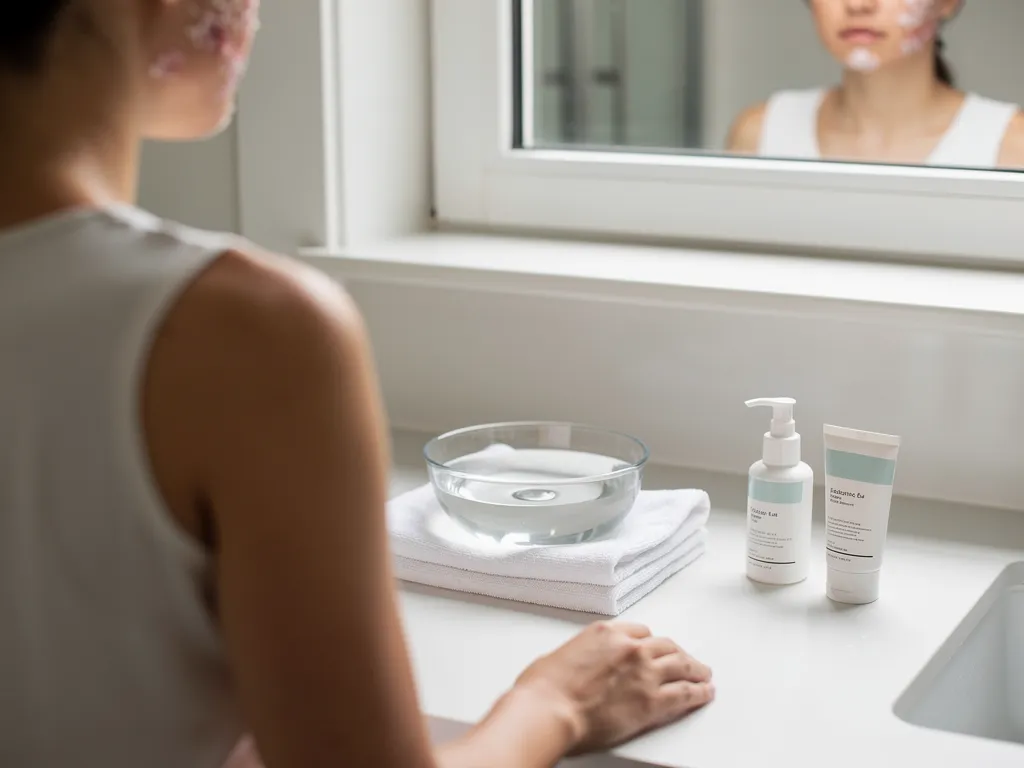
Redness, warmth, and mild swelling define the first two days after a resurfacing laser session. Skipping proper aftercare during this window risks prolonged irritation, uneven crusting, or scarring that can extend the overall recovery timeline by a week or more. The steps below outline how patients typically manage this critical stretch.
- Review the personalized aftercare plan before leaving the office. Because every treatment is customized specifically to the patient, instructions vary by laser type and skin condition.
- Expect a sunburn-like sensation within the first 24 hours. Most patients describe stinging, tightness, or warmth similar to sun overexposure rather than sharp pain.
- Cleanse gently and apply the prescribed ointment at the intervals outlined by the treatment team. Skipping applications allows the skin barrier to dry out prematurely.
- Avoid touching, picking, or scratching treated skin, even as tightness sets in. Disrupting the healing surface raises the risk of pigment changes and scarring.
- Contact the office promptly if swelling worsens or oozing changes color. Because the practice is based in Beverly Hills, patients recovering nearby can arrange in-person follow-up quickly rather than waiting on phone guidance alone.
Is Pain Normal During The First Two Days?
Mild discomfort is expected, not a warning sign. Most patients rate the sensation as manageable, comparable to a sunburn rather than post-surgical pain.
Why Does Aftercare Vary By Patient?
Skin thickness, laser depth, and treatment goals differ from patient to patient. Dr. Kagha Abisogun’s advanced training in laser technology and injectables shapes protocols designed to protect safety. Outcomes during these first, most delicate hours of healing.
How Long Does Skin Resurfacing Recovery Take?
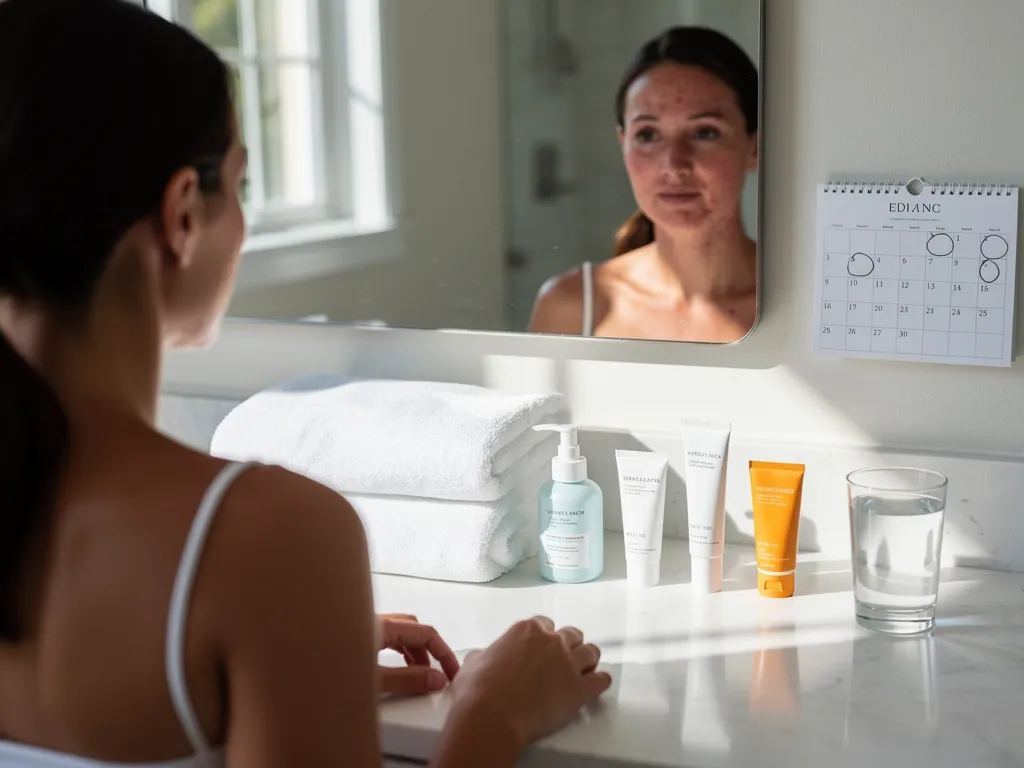
Recovery time after a skin resurfacing laser procedure varies significantly based on the technology and depth of treatment chosen. No single timeline applies to every patient, since healing duration depends entirely on which resurfacing method and laser strength gets used. A light peel may resolve in days, while a deeper fractionated treatment can require a longer, more structured recovery process.
Couture Dermatology & Laser Beverly Hills builds recovery expectations around each patient’s specific procedure, skin type, and lifestyle demands. cite-1 Consultation-based planning replaces generic aftercare instructions with individualized guidance. Bespoke treatment protocols help set realistic timelines, discussed in detail before treatment begins so patients know what to expect at each stage. cite-3
Patients preparing for downtime should follow this general sequence during the healing window:
- Expect redness and swelling within the first 24 to 48 hours following treatment.
- Monitor the skin daily for changes in texture, tightness, or oozing.
- Watch for peeling to begin roughly five days to one week post-treatment, as the outer skin layer sheds.
- Avoid picking or scratching any crusting or flaking skin to prevent scarring.
- Return for follow-up evaluation to confirm healing is progressing on schedule.
How soon can peeling be expected after laser resurfacing?
Peeling typically starts around the five-to-seven-day mark as the treated skin dries out and sheds. This stage signals that fresh skin is emerging underneath, though timing shifts depending on treatment depth.
Does recovery time differ by treatment type?
Yes. Recovery length is never universal; it depends on the specific laser, its intensity, and the patient’s individual skin response. Consultation allows the recovery plan to reflect the exact procedure selected, rather than a one-size-fits-all estimate.
How Can You Care For Peeling Skin?
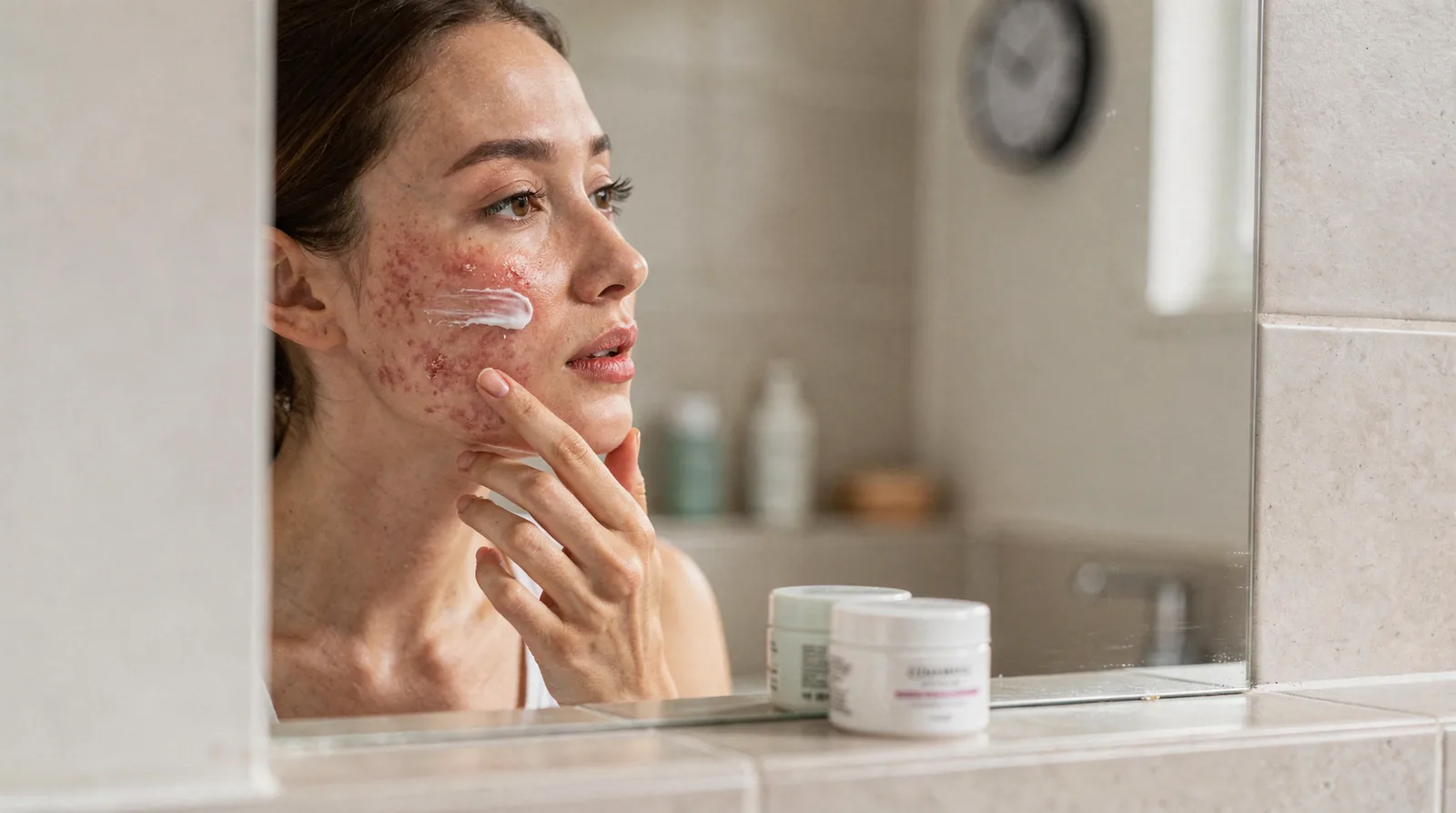
Peeling skin after laser resurfacing heals best with a strict, hands-off approach rather than active intervention. Scratching or picking at crusted or blistering areas risks permanent scarring. Resisting the urge to touch treated skin matters most during this stage. Gentle cleansing, close monitoring, and a customized aftercare plan all shape how smoothly the peeling phase progresses. Understanding how long recovery takes after a skin resurfacing laser procedure helps patients set realistic expectations for each stage of healing.
Couture Dermatology builds aftercare instructions around each patient’s specific treatment plan, since peeling severity varies by laser type and depth. cite-1 Bespoke protocols guide patients through cleansing schedules, product choices, and warning signs worth a call to the office.
Patients managing peeling skin should follow these steps, in order:
- Leave crusts and blisters untouched, even when itching or tightness develops.
- Cleanse treated areas two to five times daily with saline or a diluted vinegar solution, as directed.
- Pat skin dry gently after each cleansing session rather than rubbing.
- Apply any prescribed ointments or barrier creams exactly as instructed.
- Contact the office promptly if crusting darkens, spreads, or shows signs of infection.
Is it normal for skin to crust and ooze after resurfacing?
Yes, crusting and yellow oozing occur commonly during the peeling phase, particularly after deeper laser treatments. This crust protects new skin forming underneath and typically softens with consistent, gentle cleansing rather than force.
What happens if crusted skin gets picked or scratched?
Picking at crusted or blistering skin interrupts the body’s natural repair process. Scarring becomes a genuine risk, which is exactly why bespoke aftercare protocols emphasize hands-off healing above all else during recovery.
What Warning Signs Need A Dermatologist’s Attention?
Excessive oozing, spreading redness, fever, or crusts that separate from the skin surface signal a need for prompt dermatologic evaluation. Patients recovering from a resurfacing treatment should never assume such symptoms will resolve on their own. Proper healing depends on following post-treatment guidelines closely, since laser resurfacing. A routine and minimally invasive procedure, still carries specific care requirements that protect the outcome.
Scratching or picking at crusted, healing skin ranks among the most common causes of preventable complications. This habit raises the risk of permanent scarring. Should prompt a call to the office rather than a wait-and-see approach.
How Does A Patient Know When A Symptom Is Serious?
Mild redness, tightness, and light peeling fall within the expected range during the length of recovery after a skin resurfacing laser procedure. Warning signs escalate when swelling worsens after day three, when pus or a foul odor develops, or when crusting fails to shed within the expected window.
Patients noticing these changes should follow these steps:
- Photograph the affected area for comparison.
- Avoid touching, picking, or applying unapproved products.
- Contact the treating provider the same day symptoms appear.
Dr. Kagha’s commitment to patient wellbeing extends beyond treatment day, following each case through full recovery. cite-1 Concerned patients can reach Couture Dermatology’s Beverly Hills, CA office for prompt evaluation.
Understanding the recovery trajectory following skin resurfacing empowers patients to approach their treatment with realistic expectations and appropriate self-care strategies. The healing process demands commitment to prescribed protocols and sun protection, yet yields transformative results that justify the temporary inconvenience. By partnering with a qualified dermatologist who tailors post-procedure guidance to your specific treatment. Skin type, you position yourself for optimal outcomes and a smoother return to your daily activities. Your investment in professional care extends beyond the procedure itself—it encompasses comprehensive support throughout your recovery journey.
FAQ
How long does recovery from laser skin resurfacing take?
Recovery brings redness, swelling, and a sunburn-like sensation lasting several days. Fractionated CO2 lasers target narrow columns of skin, leaving surrounding tissue intact and shortening overall healing time.
What happens during the first 48 hours after treatment?
Redness, warmth, and mild swelling define the first two days. Patients cleanse gently and apply prescribed ointment at set intervals, following the personalized aftercare plan given before leaving the office.
Why does laser type affect recovery time?
Recovery duration depends heavily on which laser is used and its intensity. Fractionated or lower-intensity treatments allow shorter downtime, while deeper resurfacing sessions require longer healing windows.
Conclusion
Recovery after a skin resurfacing laser procedure follows a predictable arc: redness, swelling, and a sunburn-like sensation in the first 48 hours, peeling beginning around day five to seven, and fresh, renewed skin emerging within two to four weeks. Where a patient falls within that window depends on the laser technology used, the depth of treatment, and individual skin characteristics, which is why Couture Dermatology builds every recovery plan around the patient rather than a generic timeline.
Sticking to the aftercare plan, resisting the urge to pick or scratch healing skin, and reaching out promptly when something looks off all help protect the results a resurfacing treatment is meant to deliver. With Dr. Kagha Abisogun’s guidance and a customized protocol in hand, patients can move through each stage of healing with confidence, knowing what to expect and when to expect it.