When it comes to What Are the Potential Side Effects of Skin Resurfacing Laser Treatments?, potential side effects of laser skin resurfacing include redness, swelling, itching, and temporary changes in pigmentation as new skin forms during healing. Ablative and nonablative fractional lasers both create microscopic treated columns, and recovery time varies by method. Couture Dermatology and Laser Beverly Hills, led by board-certified dermatologist Dr. Karen Kagha Abisogun, customizes each treatment protocol to minimize risk.
Which Laser Type Shapes Your Side Effect Risk?
Laser category determines nearly everything about recovery: redness duration, swelling severity, and downtime length. Ablative lasers destroy the outer layer of skin outright, then heat the tissue underneath to trigger new collagen production. That intensity explains why ablative devices carry a heavier side-effect profile than gentler, nonablative alternatives. More redness, longer healing windows, and a higher chance of temporary skin sensitivity.
Nonablative lasers work differently. Rather than removing the surface layer, they heat tissue beneath intact skin, which generally means milder swelling and a shorter recovery period. The tradeoff often involves fewer visible results per session, requiring more repeat treatments to reach the same endpoint an ablative laser might achieve in one pass.
Does the Type of Laser Change Healing Time?
Yes. Ablative resurfacing, because it removes the epidermis, typically demands more downtime and closer monitoring for side effects like swelling or pigment changes. Nonablative treatments spare the surface layer, so healing tends to move faster with a gentler side-effect curve.
At Couture Dermatology, treatment planning starts with matching laser technology to each patient’s skin, goals, and tolerance for downtime — no two protocols look identical. Dr. Karen “Chinonso” Kagha Abisogun, a Harvard Cosmetic Fellowship-trained, board-certified dermatologist and laser specialist, oversees that selection process personally. cite-1 Her advanced training in laser technology supports safer outcomes no matter which device fits a given case.
Laser Comparison at a Glance
| Factor | Ablative | Nonablative |
|---|---|---|
| Surface layer | Removed | Preserved |
| Downtime | Longer | Shorter |
| Side-effect intensity | Higher | Milder |
| Sessions needed | Often fewer | Often more |
Choosing between these approaches without professional guidance raises the odds of mismatched expectations and preventable complications.
What Short-Term Side Effects Should You Expect?
Redness, swelling, and skin sensitivity typically appear within the first hours after treatment and represent the skin’s natural healing response. Since skin resurfacing laser treatments remove the outer layer of skin with precision, the body must generate new cells to replace what was treated. That regeneration process takes days to weeks. During that window patients notice visible potential side effects before the smoother, tighter surface fully emerges.
Couture Dermatology approaches this recovery window with the same intention and trusted expertise applied to the treatment itself. Dr. Chinonso Kagha Abisogun has said she is passionate about walking alongside every patient through the full arc of care, not just the procedure day. That philosophy shapes how post-treatment guidance is delivered at every step of healing.
How long does redness last after laser resurfacing?
Redness and mild swelling generally represent the most immediate reaction to treatment. Duration varies by individual and by the depth of the laser used. The reaction is expected and considered a normal part of skin renewal.
Are these side effects a sign something went wrong?
No. Temporary reactions signal that the skin is actively rebuilding tissue, not that a complication has occurred. Patients are guided on what to expect so the healing phase feels manageable rather than alarming.
Common short-term reactions include:
- Facial redness resembling a sunburn
- Swelling, particularly around the eyes
- Tightness or mild sensitivity to touch
- Flaking or peeling as new cells surface
Couture Dermatology’s model is built to help patients move through this phase and return to showing up confidently, beautifully, and effortlessly once initial healing subsides.
Could Laser Resurfacing Cause Serious Complications?
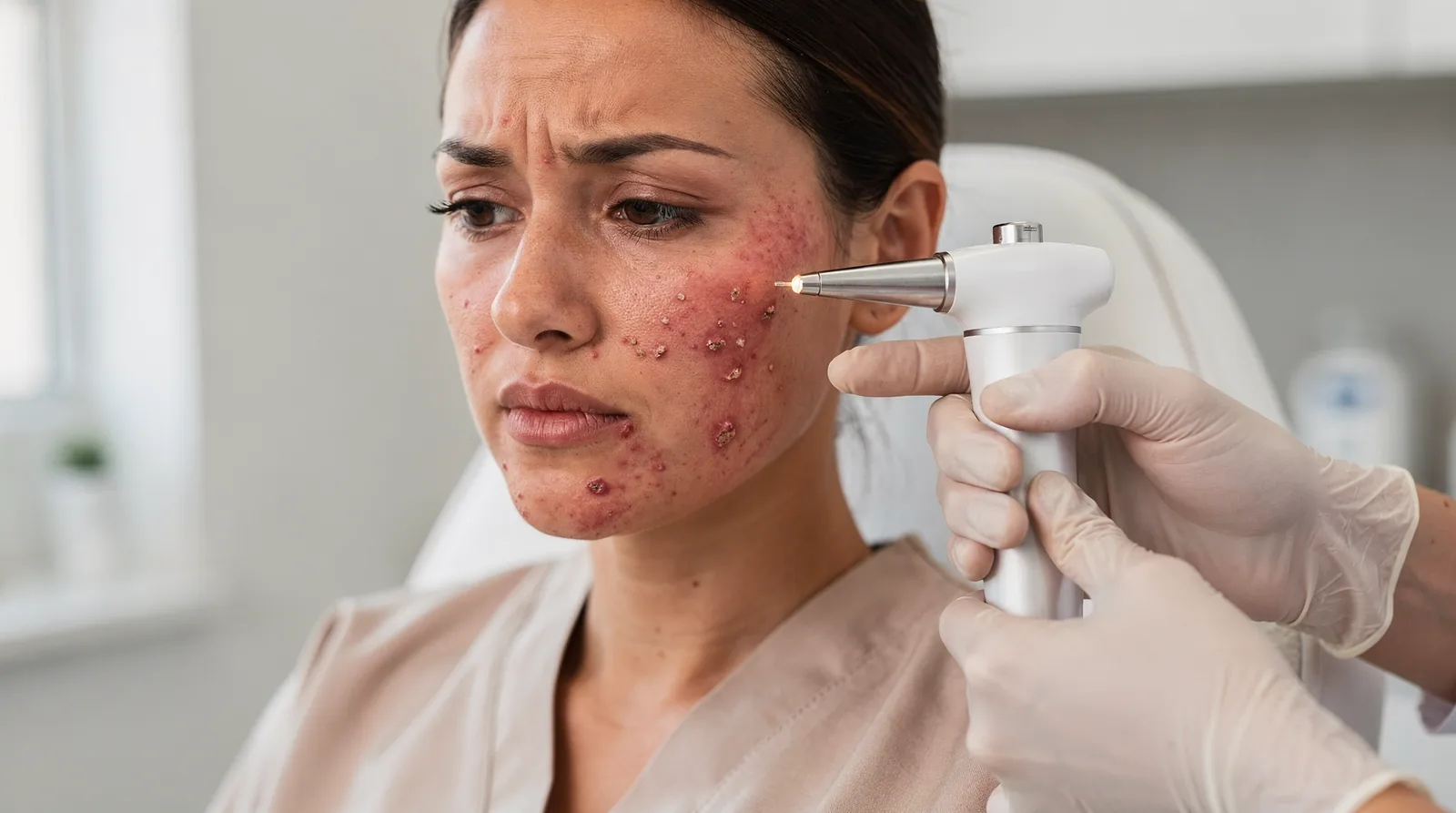
Serious complications remain uncommon, but research confirms they occasionally develop and can become severe. Understanding the potential side effects of skin resurfacing laser treatments matters before any consultation. Informed patients recover with fewer surprises. Documented risks from fractional CO2 resurfacing include infection, scarring, and dyschromia, an abnormal change in skin pigmentation that can appear as lightened or darkened patches.
Fractionated CO2 technology has changed the risk profile considerably. By treating skin in microscopic columns rather than resurfacing the entire surface at once, this approach lowers complication rates compared with older, nonfractionated ablative lasers. The surrounding untreated tissue supports faster healing and reduces the burden on the immune system.
Common risks tracked in clinical literature include:
- Localized infection at the treatment site
- Scarring, particularly in areas with thinner skin
- Dyschromia, or uneven pigmentation change
- Prolonged redness or swelling during recovery
What Reduces the Risk of Complications?
Physician training plays a direct role in outcomes. Advanced, high-level cosmetic laser training supports safer technique selection and helps limit the chance of serious complications during treatment. Dr. Kagha completed fellowship training at Harvard Medical School, Massachusetts General Hospital, and the Wellman Center for Photomedicine in Boston, experience that builds the judgment needed to manage complex laser cases when they arise. cite-1
Are Side Effects the Same for Every Patient?
No. Skin type, treatment depth, and aftercare compliance all shape individual risk. A patient with a history of scarring or pigmentation disorders faces a different risk calculus than one with none. Discussing personal medical history during consultation remains essential for anticipating complications before treatment begins, not after.
Serious complications stay rare within modern fractional CO2 protocols. Choosing a provider with fellowship-level training and photomedicine expertise remains one of the clearest ways patients protect against avoidable harm.
Who Is a Good Candidate for Resurfacing?
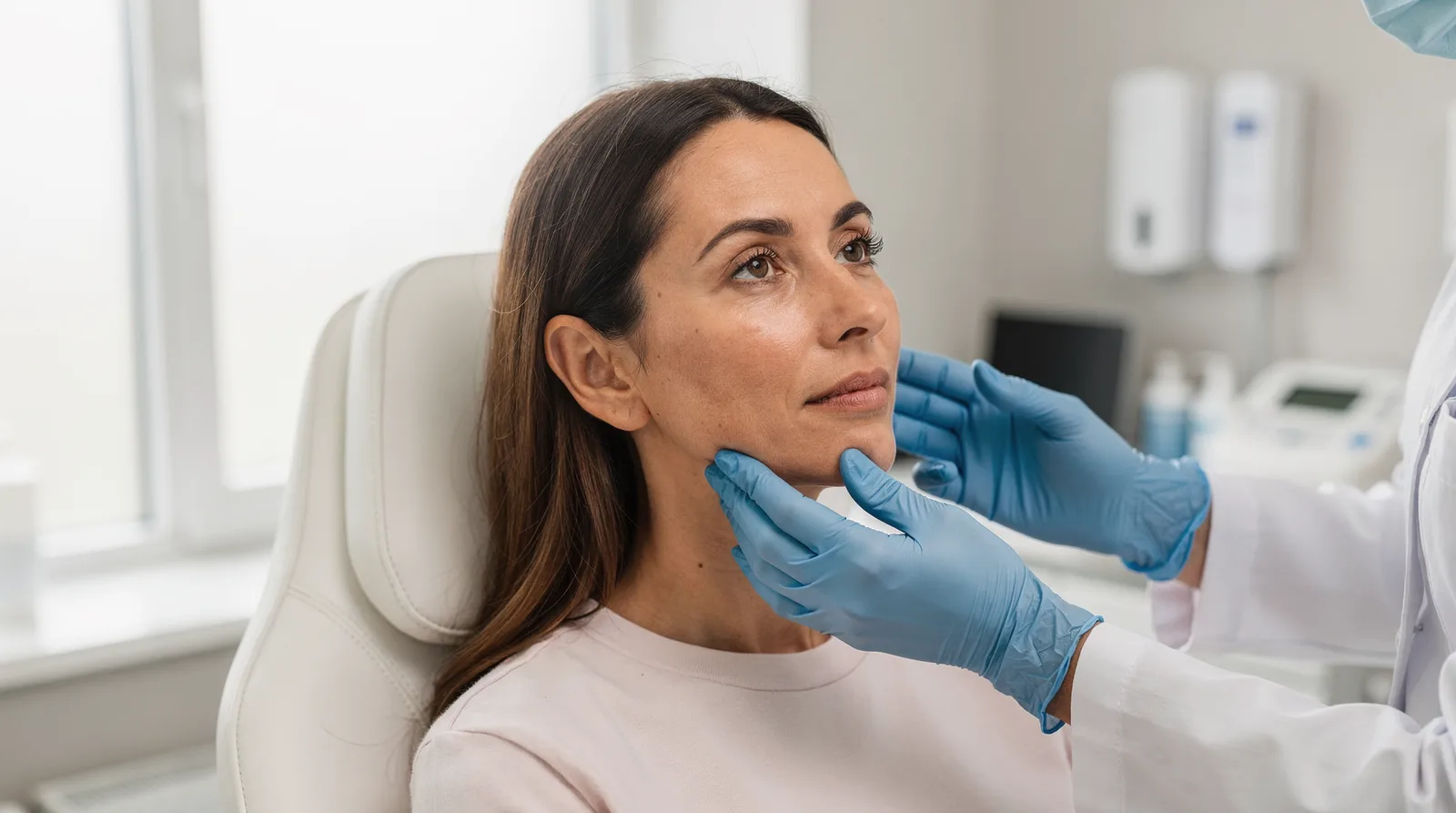
Ideal candidates present with fine lines, wrinkles, or shallow acne scars rather than significant skin laxity. Age spots, sun damage, and uneven pigmentation on the face also respond well to treatment. Patients with non-responsive skin after a facelift often see improvement, since laser skin resurfacing targets surface texture and tone rather than deeper structural changes.
Not every skin concern belongs on the same treatment path. Resurfacing lasers excel at reducing fine lines, fading age spots, and evening out discoloration. Sagging skin, however, falls outside what these devices can correct. A distinction that shapes who benefits most from the procedure.
Because every treatment plan is built around the individual, candidacy gets evaluated case by case rather than through a generic checklist. Skin type, concern severity, and treatment history all factor into the recommendation before any device touches the face.
Is Laser Resurfacing Right for Loose or Sagging Skin?
Sagging skin generally does not respond to resurfacing lasers, which work on surface texture rather than tissue firmness. Patients whose primary concern involves skin laxity are often better matched to Couture Elevator Tone. Tighten, a signature non-surgical combination treatment addressing the core pillars of aging. cite-1
Good candidates for laser resurfacing typically show:
- Fine lines around the eyes, mouth, or forehead
- Shallow acne scarring
- Sun-related age spots or uneven pigmentation
- Skin that remained unresponsive following a facelift
- A desire for improved tone and texture without addressing sagging
Matching the right technology to the right concern protects both results and safety, which makes an individualized consultation the essential first step before scheduling any resurfacing session.
While skin resurfacing laser treatments deliver significant aesthetic improvements, understanding potential side effects remains essential to informed decision-making. Our dermatologists at Couture Dermatology prioritize comprehensive patient education, ensuring you recognize both benefits and temporary or lasting effects before proceeding. By selecting an experienced, board-certified provider and adhering to post-treatment protocols, you substantially mitigate risks and optimize outcomes. Your skin’s health and safety guide every recommendation we make.
FAQ
What are the main side effects of laser skin resurfacing?
Laser skin resurfacing causes redness, swelling, itching, and temporary pigmentation changes as new skin forms during healing. Recovery time and severity depend on whether the treatment uses ablative or nonablative technology.
Why do ablative lasers cause more side effects than nonablative lasers?
Ablative lasers remove the outer skin layer and heat underlying tissue, producing more intense redness and longer healing windows. Nonablative lasers heat tissue beneath intact skin, resulting in milder swel
Facts
- Cosmetic & Medical Dermatology in Beverly Hills | Couture Dermatology is located in Beverly Hills, CA, US.
Conclusion
Laser skin resurfacing offers meaningful improvement for fine lines, sun damage, acne scarring, and uneven pigmentation, but the path to those results runs through a predictable healing process. Redness, swelling, and temporary pigment changes are expected parts of recovery, while serious complications like infection, scarring, or dyschromia remain rare, especially under fractionated CO2 technology and experienced physician oversight. Choosing between ablative and nonablative approaches, and choosing the right provider, shapes both the side-effect experience and the final outcome. At Couture Dermatology, Dr. Karen Kagha Abisogun’s fellowship-level training and individualized treatment planning are built to help patients move through recovery with clear expectations and results they can trust.