Acne Scar Treatments for Clear Skin in Beverly Hills: Expert Solutions for Effective Scar Removal
Acne scarring commonly affects self-esteem and the visible quality of the skin, prompting many patients to pursue evidence-based treatments. In Beverly Hills, clinicians offer a range of advanced interventions aimed at refining skin texture and supporting tissue regeneration. This article summarises the principal non-surgical modalities, laser procedures, and chemical peel options, describes their mechanisms and benefits, and outlines typical recovery expectations to enable informed treatment decisions.
Acne Scar Refinement (Non-Surgical)
Non-surgical approaches provide clinically effective options that avoid incisions. Procedures such as microneedling, chemical peels, and subcision are commonly employed to remodel the dermis, stimulate collagen deposition, and accelerate epidermal renewal, thereby reducing scar prominence.
For patients evaluating these options, Couture Dermatology and Laser Beverly Hills offers tailored protocols that account for individual skin characteristics and treatment goals.
Laser Skin Resurfacing
Laser skin resurfacing is a validated modality for acne scarring that uses concentrated light energy to ablate or thermally stimulate damaged epidermal and dermal layers. Treatment choices include ablative and non-ablative devices, each with distinct indications and trade-offs regarding efficacy and downtime.
Clinically significant improvements in texture and tone are commonly observed. Recovery duration varies by laser type and individual healing response, typically ranging from several days to a few weeks. A specialist consultation at Couture Dermatology can determine the most appropriate laser protocol for a given scar pattern.
Microneedling with RF (Radiofrequency)
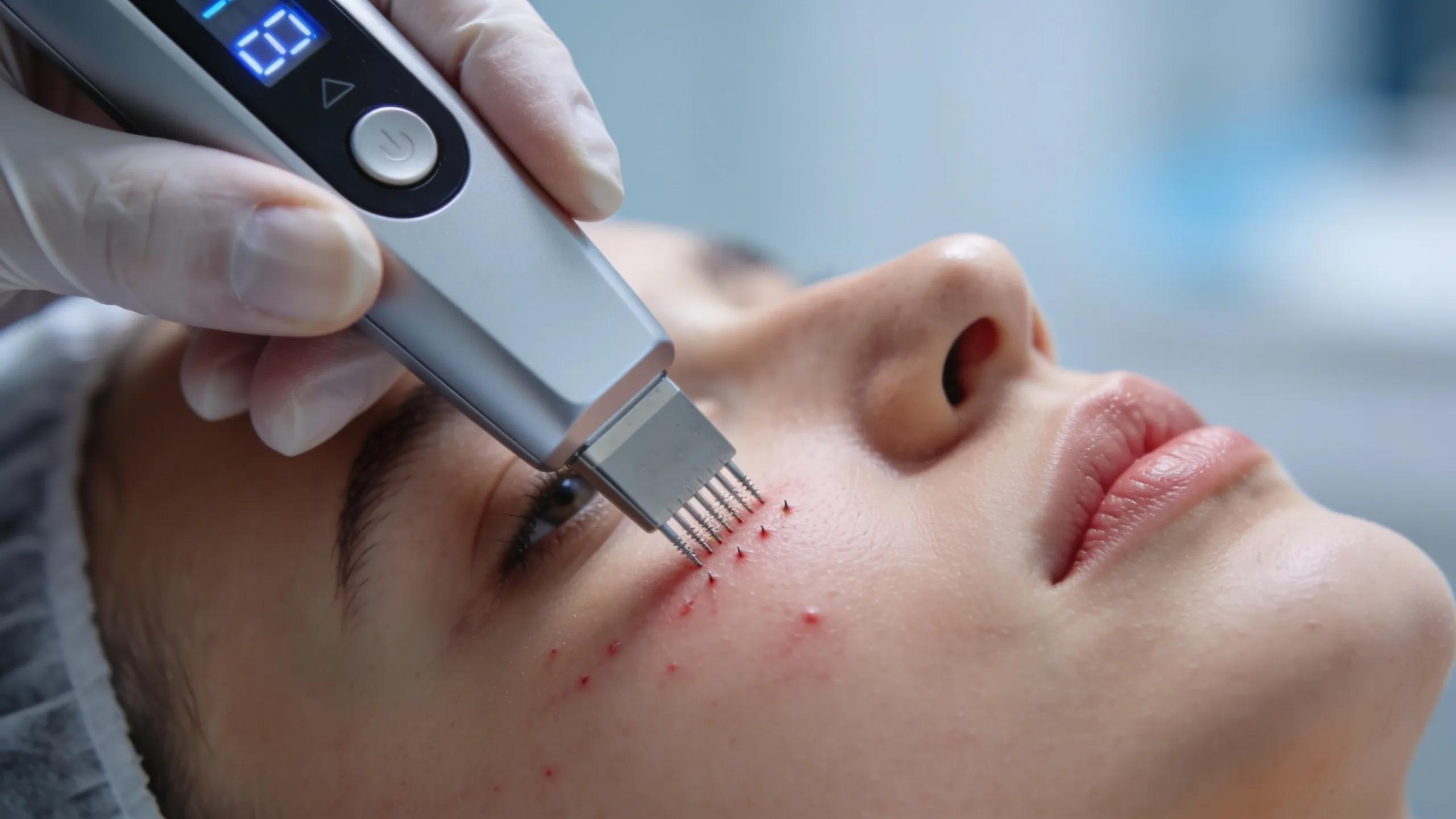
Microneedling combined with radiofrequency delivers controlled micro-injuries while applying thermal energy to the deeper dermis. This dual mechanism promotes organised neocollagenesis and elastogenesis and can improve skin firmness and surface regularity.
Expected benefits include improved skin texture, reduced scar depth, and enhanced dermal quality. Treatment typically requires a series of sessions to achieve clinically meaningful results; the exact regimen should be determined during professional assessment.
Controlled clinical investigations have evaluated the efficacy and safety profile of microneedling fractional radiofrequency for acne scar management.
Microneedling Fractional Radiofrequency in the Management of Acne Scars
This randomized, controlled, split-face study assessed the efficacy and safety of microneedling fractional radiofrequency for the treatment of acne scars. Evaluation of microneedling fractional radiofrequency device for treatment of acne scars, 2014
Chemical Peels
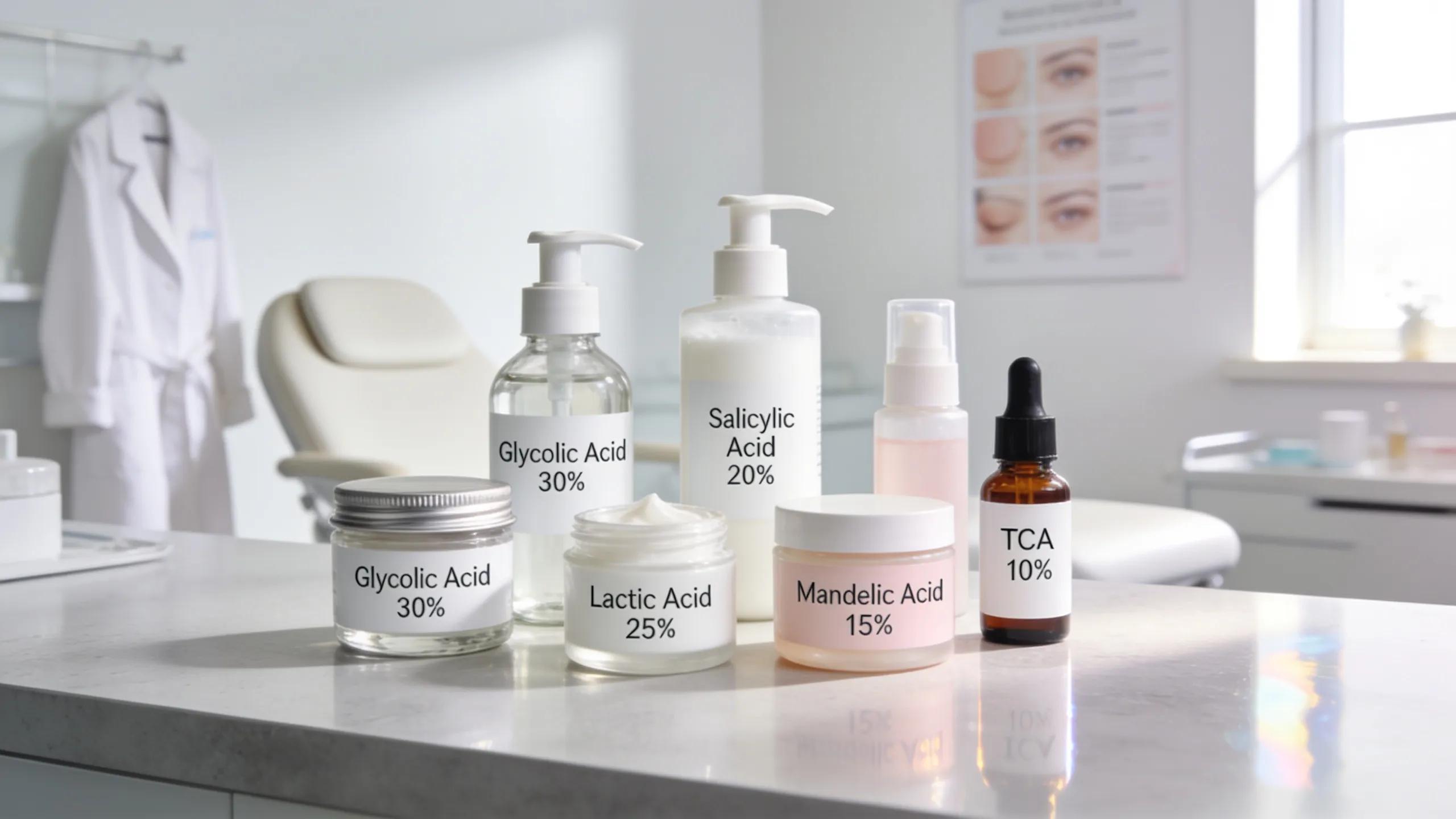
Chemical peeling involves application of controlled chemical agents to exfoliate the stratum corneum and superficial epidermis, which stimulates re-epithelialisation and can promote dermal remodelling. Peels are stratified as superficial, medium, or deep based on agent concentration and intended depth of penetration.
Clinical outcomes depend on peel depth and patient skin characteristics. Appropriate post-procedure care is essential to support re-epithelialisation and optimise results; clinicians should provide a tailored aftercare plan.
Subcision
Subcision is a minimally invasive technique for depressed scars in which a cannula or needle is inserted beneath the lesion to sever tethering fibrous septae. This mechanical release permits elevation of the depressed scar and stimulates localized healing responses.
Patients with rolling or broad-based boxcar scars commonly derive benefit from subcision. In many cases a single session yields measurable improvement, although adjunctive procedures may be indicated for optimal correction.
TCA Cross
The TCA CROSS technique targets ice pick scars by focal application of trichloroacetic acid to induce a controlled chemical injury and subsequent collagen remodelling. It is intended to reduce the depth and sharpness of narrow atrophic defects.
Clinical improvement typically occurs gradually over several weeks as the treated sites remodel. Downtime is generally limited, and most patients resume normal activities within a short recovery period.
Comparative studies have demonstrated the relative efficacy of TCA CROSS for ice pick scars versus other laser modalities.
Trichloroacetic Acid Chemical Reconstruction of Skin Scars (TCA CROSS) Versus Fractional Erbium-Glass Laser for the Treatment of Acne Scars
In a split-face comparative study, 100% TCA CROSS, applied at two-week intervals, demonstrated superior efficacy for icepick scars, whereas the fractional erbium-glass laser proved more effective for rolling scars. Evaluation of CROSS technique with 100%
TCA in the management of ice pick acne scars in darker skin types, N Khunger, 2011
Platelet-Rich Plasma (PRP) Therapy
Platelet-rich plasma therapy utilises autologous blood processed to concentrate platelets and growth factors, which are then reintroduced into areas requiring enhanced tissue repair. PRP is frequently used as an adjunct to physical modalities such as microneedling to augment healing and remodelling.
Clinical reports indicate PRP can improve skin texture and support scar attenuation. Patients may observe enhanced skin quality and a reduction in visible scarring following appropriate treatment courses.
What Are the Most Effective Laser Treatments for Acne Scar Removal in Beverly Hills?
Clinically recognised laser options for acne scar management in Beverly Hills include ablative, non-ablative, and fractional platforms, each selected according to scar morphology and patient-specific factors.
- Ablative Lasers: These lasers remove the outer layer of skin, promoting new skin growth and collagen production.
- Non-Ablative Lasers: These lasers penetrate the skin without damaging the surface, stimulating collagen production and improving skin texture.
- Fractional Lasers: These lasers target specific areas of the skin, allowing for quicker recovery times while still delivering effective results.
Selection of the appropriate laser should be based on scar type, skin phototype, and tolerance for recovery time; a dermatological assessment will establish the optimal approach.
How Does Laser Resurfacing Improve Acne Scar Appearance?
Laser resurfacing reduces scar visibility by inducing controlled dermal injury that stimulates collagen synthesis and accelerates epidermal turnover. Targeted energy delivery promotes organised tissue repair and gradual improvement in contour and texture.
Patients should expect progressive improvement as collagen remodelling occurs. Understanding the mechanism and anticipated timeline assists in setting realistic expectations for outcomes.
Evidence regarding ablative fractional CO2 laser therapy provides guidance on protocol individualisation for atrophic facial acne scars.
Ablative Fractional CO2 Laser Treatment for Acne Scars
Ablative fractional carbon dioxide laser therapy demonstrates efficacy in the management of acne scars. Optimal treatment protocols, including session frequency, inter-treatment intervals, and laser parameters, should be individually tailored to each patient’s specific needs. Ablative fractional CO2 laser for facial atrophic acne scars, 2018
What Are the Expected Outcomes and Recovery Times for Laser Procedures?
Outcomes and recovery vary according to laser modality and individual healing capacity. Common expected benefits include:
- Improved Skin Texture: Enhanced smoothness and reduced scar visibility.
- Even Skin Tone: Reduction in discoloration and uneven pigmentation.
- Collagen Stimulation: Long-term improvements in skin elasticity and firmness.
Recovery ranges from brief erythema and edema lasting several days to a two-week convalescence for more aggressive resurfacing. Adherence to prescribed post-procedure care is critical for safe healing and optimal results.
How Does Microneedling Benefit Acne Scar Reduction and Skin Renewal?
Microneedling produces controlled microtrauma to the epidermis and superficial dermis, initiating a cascade of wound-healing events that increase collagen and elastin deposition and improve tissue architecture.
The procedure is applicable to multiple scar types and, when delivered in a series, commonly yields measurable reductions in scar depth and enhancements in surface smoothness.
What Is the Microneedling Procedure and Its Role in Scar Refinement?
Microneedling employs a device with finely spaced needles to create uniform punctures that stimulate reparative processes and encourage neocollagenesis. The intervention is minimally invasive and usually requires limited downtime.
By disrupting fibrotic scar matrices and promoting new dermal matrix formation, microneedling contributes materially to scar refinement and skin rejuvenation.
How Many Sessions Are Typically Required for Noticeable Results?
Session count varies with scar severity and treatment objectives. Typical recommendations include:
- 3-6 Sessions: For optimal results, spaced 4-6 weeks apart.
- Maintenance Treatments: Annual sessions may be recommended to sustain results.
A dermatological consultation will determine a personalised regimen aligned to the patients needs.
What Role Do Chemical Peels Play in Treating Acne Scars?
Chemical peels accelerate exfoliation of photodamaged and scarred epidermis, facilitating re-epithelialisation and stimulating dermal remodelling. They are a key tool in the therapeutic armamentarium for superficial and moderate atrophic scarring.
Peel selection should reflect scar depth and skin phototype; repeat treatments can progressively improve clarity and texture when combined with appropriate aftercare.
Which Types of Chemical Peels Are Best Suited for Acne Scar Treatment?
The following peel types are commonly used for acne scarring:
- Glycolic Acid Peels: Effective for mild scars and improving overall skin texture.
- Salicylic Acid Peels: Beneficial for oily skin and acne-prone individuals.
- TCA Peels: Suitable for deeper scars and more significant skin rejuvenation.
Determination of the most appropriate peel requires assessment of skin condition and desired outcomes by a qualified clinician.
What Are the Risks and Post-Treatment Care for Chemical Peels?
Chemical peels are generally safe when performed by trained clinicians; known risks include temporary redness and swelling, desquamation, and post-inflammatory hyperpigmentation in susceptible individuals.
Post-procedure care is essential. Patients should avoid unprotected sun exposure, use gentle skincare products, and follow specific aftercare instructions provided by their dermatologist to promote optimal healing.
How Do Personalized Skincare Protocols Enhance Acne Scar Treatment Outcomes?
Personalised protocols refine clinical outcomes by matching active agents and supportive products to the patients skin type and treatment history. Customisation reduces risk and improves therapeutic efficacy.
Incorporation of targeted actives, such as topical retinoids and antioxidants, may augment scar remodelling and overall skin health. Regular clinical review allows protocol adjustment as healing progresses.
Why Is Customized Post-Treatment Care Essential for Skin Clarity?
Individualised post-treatment care is critical to protect healing tissues, prevent complications, and consolidate treatment gains. Each patient requires a specific plan based on the procedures performed.
Recommended elements often include a gentle cleansing regimen, appropriate moisturisation, and structured photoprotection measures tailored to the intervention and skin type.
What Are the Recommended Skincare Practices After Acne Scar Procedures?
After acne scar procedures, adhere to the following foundational practices:
- Gentle Cleansing: Use a mild cleanser to avoid irritation.
- Moisturizing: Keep the skin hydrated with a suitable moisturizer.
- Sun Protection: Apply broad-spectrum sunscreen daily to protect healing skin.
These measures support tissue repair and help maintain procedural results.
Who Are the Best Dermatologists for Acne Scar Treatments in Beverly Hills?
Select dermatologists with demonstrable expertise in scar management, an evidence-based approach, and a record of patient-centred care. Key indicators include relevant credentials, procedural experience, and documented outcomes.
Patients are advised to conduct thorough research and to attend consultations with multiple providers when appropriate to identify the clinician best suited to their case.
What Qualifications and Expertise Should Patients Look for in Dermatologists?
Important qualifications include board certification, specific experience in cosmetic and procedural dermatology, and ongoing professional development to remain current with emerging techniques.
These attributes support safe, effective treatment planning and execution.
How Do Patient Testimonials and Before/After Galleries Reflect Treatment Success?
Patient testimonials and photographic case series provide practical insight into expected outcomes and procedural workflows. They serve as visual and experiential references when evaluating potential providers.
Such materials can assist patients in setting realistic expectations and in assessing a clinicians technical proficiency and aesthetic judgement.
What Are Common Patient Concerns About Acne Scar Treatments and How Are They Addressed?
Typical concerns include procedure-related discomfort, recovery burdens, and the timeline for visible improvement. Clinicians address these concerns by explaining analgesia options, providing clear aftercare directives, and communicating expected timelines for progression.
Are Acne Scar Treatments Painful and What Is the Typical Recovery Experience?
Pain levels vary by procedure; most interventions produce mild to moderate discomfort that can be mitigated with topical or local anaesthesia. Providers will discuss analgesic strategies prior to treatment.
Recovery commonly involves transient redness and swelling that resolve within days to weeks depending on the intervention. Strict adherence to aftercare instructions reduces complications and supports healing.
How Long Does Each Treatment Session Take and What Is the Overall Timeline?
Procedure duration varies by modality. Typical session lengths include:
- Microneedling: Approximately 30-60 minutes per session.
- Laser Treatments: Typically 30-90 minutes, depending on the area being treated.
- Chemical Peels: Usually around 30 minutes, including preparation and application.
Noticeable results generally develop over weeks to several months as tissue remodelling progresses; the precise timeline depends on treatment type and individual healing dynamics.
Frequently Asked Questions
What Should Patients Expect During Their First Consultation for Acne Scar Treatment?
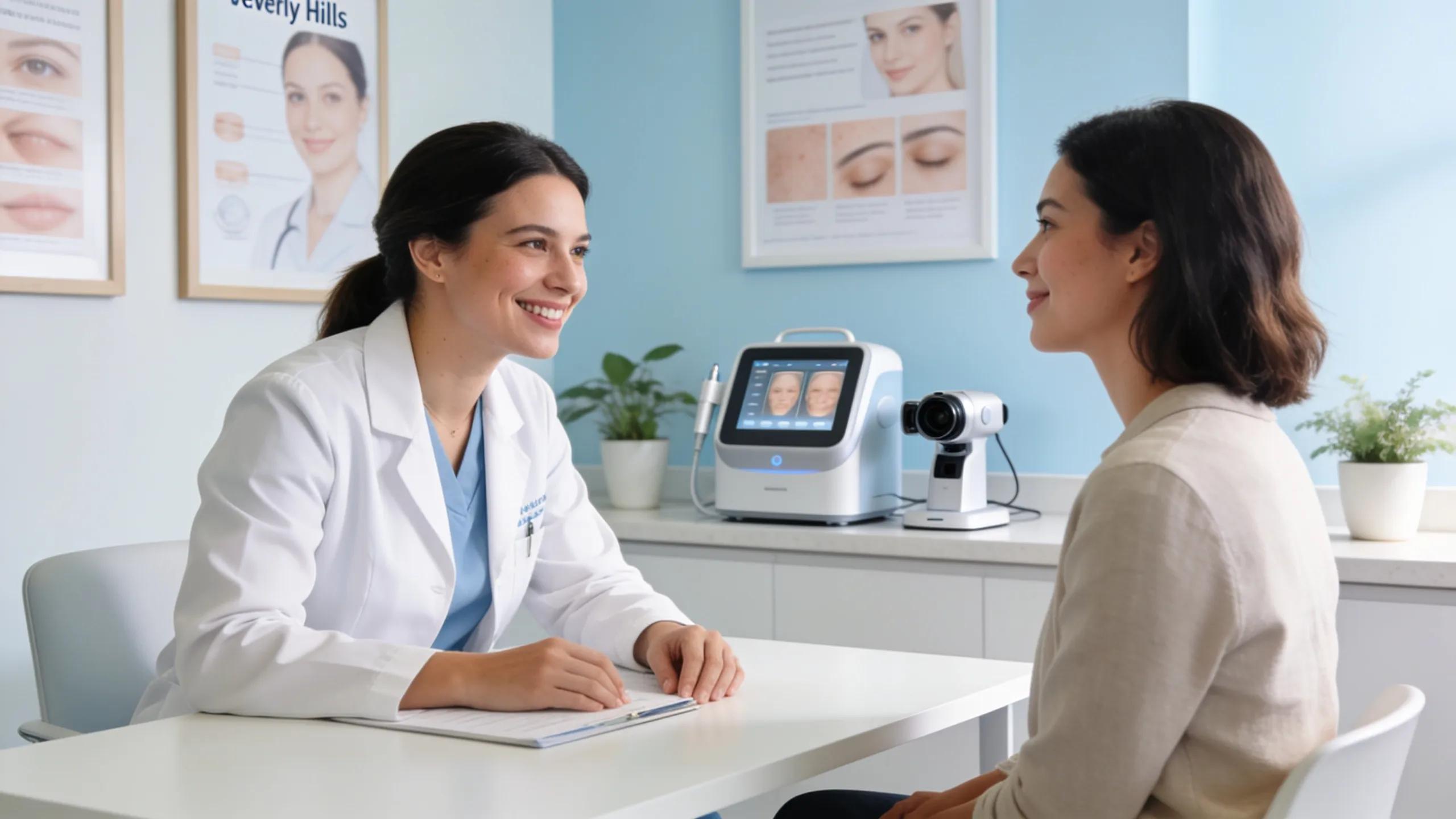
The initial consultation includes a comprehensive skin assessment, review of medical history, evaluation of scar morphology, and discussion of prior therapies. The clinician will outline recommended treatment options, anticipated outcomes, possible complications, and a personalised plan.
Are Acne Scar Treatments Suitable for All Skin Types?
Treatment suitability depends on scar type, skin phototype, and individual risk factors. Certain modalities carry increased risk of pigmentary alteration in darker skin tones; therefore, assessment and modality selection must be individualized to minimise adverse events.
How Can Patients Maintain Their Results After Acne Scar Treatments?
Maintaining results requires a consistent skincare regimen, regular clinical follow-up, sun protection, and lifestyle measures that support skin health. Periodic maintenance treatments may be advised based on the chosen modalities.
What Are the Costs Associated with Acne Scar Treatments in Beverly Hills?
Costs vary by procedure and provider. Representative ranges include microneedling at approximately $300 to $700 per session, laser procedures from $600 to over $2,500 per session, and chemical peels from $150 to $600. Patients should request specific pricing and package options from their chosen clinic.
How Do Patients Know If They Are Candidates for Acne Scar Treatments?
Candidacy is determined by scar classification, overall skin health, and realistic expectations. A detailed consultation will assess suitability and recommend evidence-based interventions aligned with the patients goals.
Can Lifestyle Factors Affect the Success of Acne Scar Treatments?
Yes. Nutrition, hydration, sun exposure, smoking status, and stress levels influence wound healing and long-term outcomes. Addressing these factors supports recovery and enhances the durability of treatment results.
Conclusion
Selection of an appropriate acne scar treatment can yield measurable improvements in skin clarity and patient confidence. Beverly Hills patients have access to a spectrum of evidence-based options, from non-surgical refinements to advanced laser modalities. Engagement with experienced dermatologists ensures individualised care and optimised outcomes; scheduling a specialist consultation is the recommended next step for treatment planning.