When it comes to Advantages of Laser Skin Resurfacing, laser skin resurfacing removes damaged skin layer by layer, prompting new collagen-rich cells that create a tighter, younger-looking surface. Board-certified dermatologist Dr. Karen Kagha Abisogun offers this nonsurgical treatment at Couture Dermatology in Beverly Hills, addressing brown spots, redness, crepey texture, fine lines, acne scars, and sun damage across nearly every skin type.
What Makes Skin Texture So Important?
Skin texture signals age faster than wrinkles or spots ever could. The human eye instinctively reads smooth, even texture as youthful, often without conscious thought. Rough patches, enlarged pores, and uneven surfaces register as signs of aging even on faces with minimal lines. This is precisely why the advantages of laser skin resurfacing center on texture correction rather than surface-level fixes alone.
Sun damage, acne scarring, and years of environmental stress leave the skin’s surface uneven long before visible wrinkles appear. Left untreated, that unevenness compounds, making the complexion look tired or aged well before its time. Addressing texture directly, not just isolated blemishes, produces a more convincing rejuvenation.
Why does texture matter more than fine lines alone?
Texture affects how light reflects off the face, and uneven reflection reads as dullness or age regardless of wrinkle count. A patient with few lines but rough, uneven skin often looks older than one with smoother texture and more visible lines. Correcting texture creates a foundation that makes every other treatment look better.
At Couture Dermatology & Laser Beverly Hills, resurfacing plans are built around each patient’s unique texture concerns rather than applied as a generic protocol. That personalized approach stems from clinical training grounded in a Harvard Cosmetic Fellowship background, held by the practice’s founding board-certified dermatologist and laser specialist. Patients throughout Beverly Hills, CA gain direct access to that expertise when texture, not just wrinkles, becomes the treatment priority.
How Does Resurfacing Rebuild Collagen?
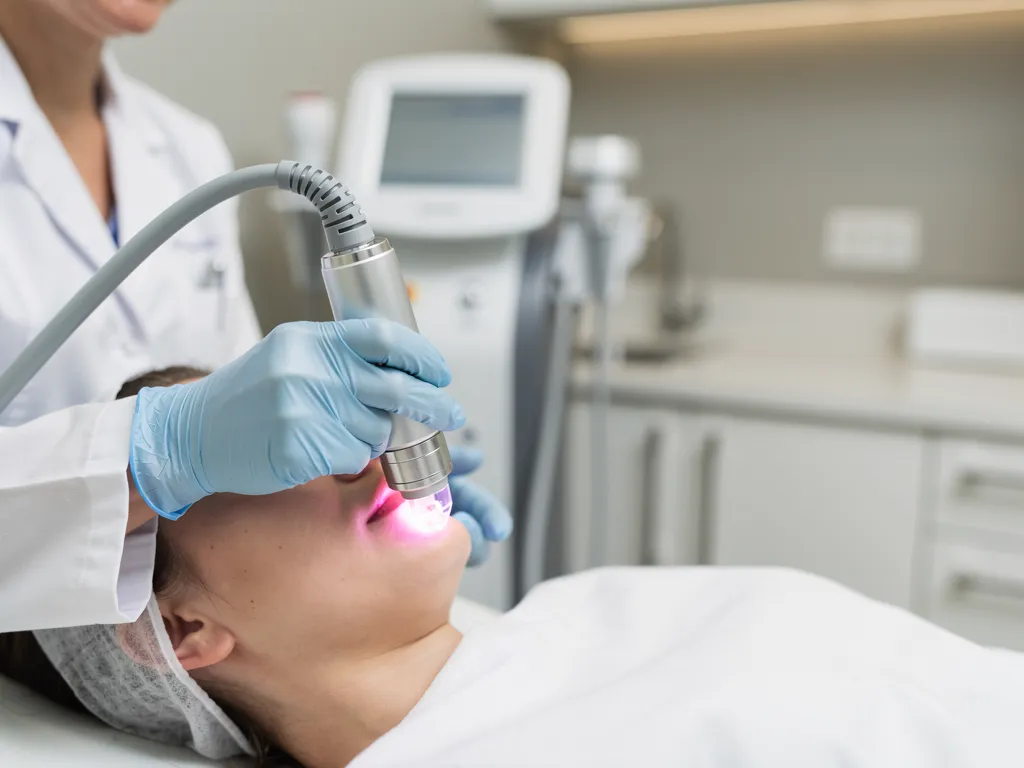
Ablative laser energy removes the outermost layer of skin and heats the tissue directly beneath it. That controlled heat injury triggers the body’s natural collagen response, prompting fresh collagen fibers to form as the skin heals. Collagen serves as the structural protein responsible for skin’s firmness. Stimulating new supply directly addresses the advantages of laser skin resurfacing that patients notice most: smoother texture and tighter-looking skin over time.
Not every laser treats the entire face at once. Fractional laser technology, whether ablative or nonablative, works by creating microscopic columns of treated tissue rather than resurfacing the full surface in one pass. This targeted approach leaves surrounding skin intact, which speeds healing while still activating the same collagen-building response in each treated column.
Why does laser choice matter for collagen results?
Selecting the right laser wavelength and depth determines how much collagen remodeling actually occurs. Dr. Kagha’s laser expertise took shape during her fellowship training at Harvard Medical School, Massachusetts General Hospital, and the Wellman Center for Photomedicine, a leading center for laser-based skin research. cite-2 That training informs how each device is matched to a patient’s skin type and concern at Couture Dermatology.
Is every resurfacing protocol the same?
No two skin profiles respond identically to heat-based collagen stimulation. Couture Dermatology applies bespoke treatment protocols so the collagen-rebuilding process aligns with each patient’s specific skin health goals. cite-2 Factors guiding protocol selection include:
- Depth of scarring or wrinkling
- Skin tone and sensitivity to heat
- Prior laser or cosmetic procedure history
- Desired recovery timeline
This individualized calibration helps ensure the collagen response translates into visible, lasting improvement rather than generic, one-size-fits-all results.
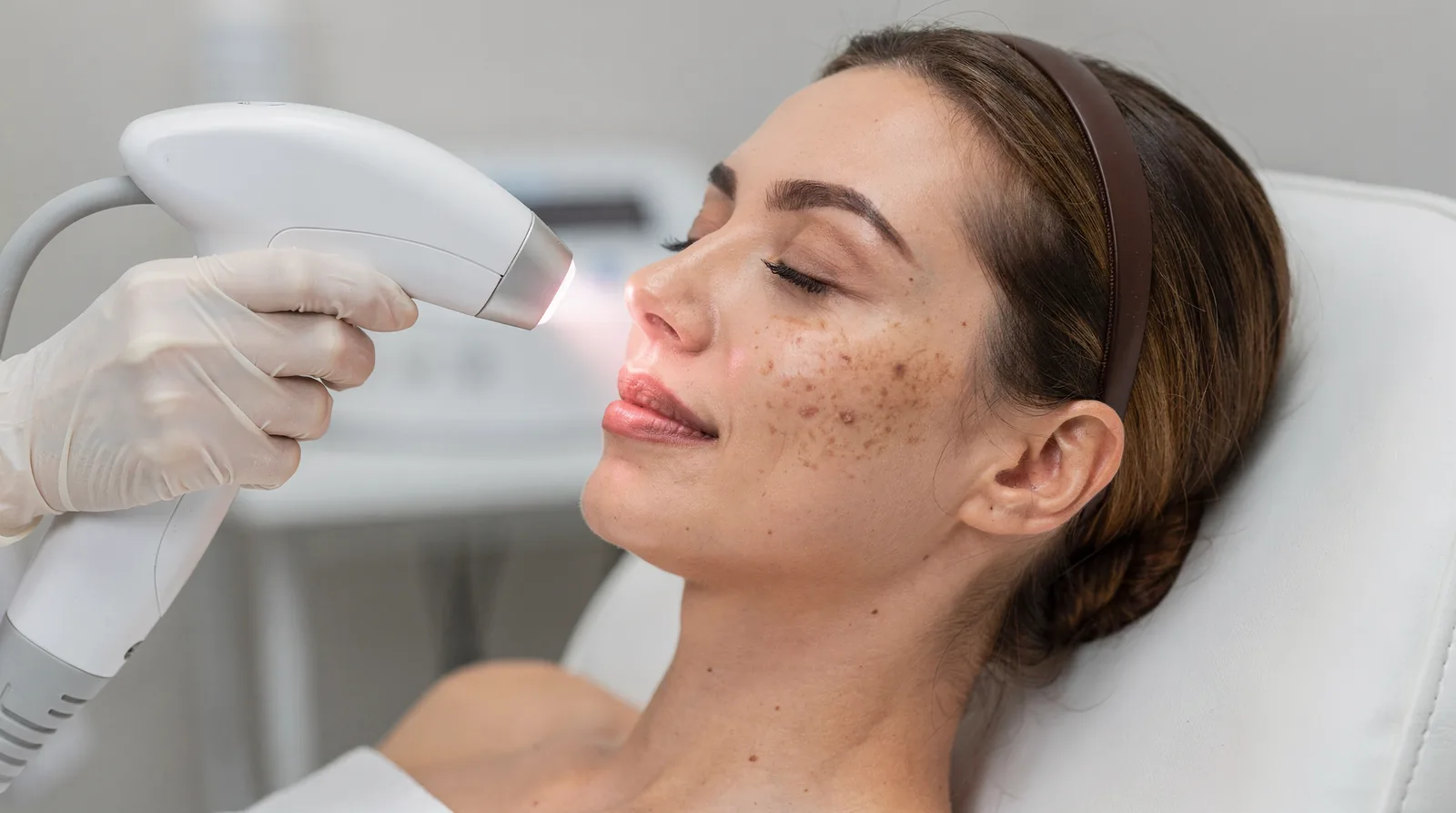
What Skin Concerns Can Lasers Improve?
Brown spots, redness, and crepey texture respond directly to laser treatment. Sun damage, uneven pigmentation, and thinning skin often resist topical creams entirely. Laser resurfacing reaches deeper layers that serums cannot touch.
The advantages of laser skin resurfacing extend well beyond surface-level correction. Modern devices offer a scientifically supported method for improving overall skin quality, not just masking imperfections. Collagen production increases as the laser stimulates the skin’s natural repair response, which firms texture from within rather than temporarily smoothing it.
No single laser fits every patient. Age, skin tone, and the specific concern all shape which wavelength and depth deliver the safest, most effective result. That is why a laser exists for nearly every skin type. Stage of aging, from early sun spots to deeper textural scarring.
Can lasers treat acne scars and old sun damage at the same time?
Yes. Many patients present with overlapping concerns—shallow acne scarring alongside years of cumulative sun exposure. A single, carefully calibrated laser session often addresses both by resurfacing the damaged outer layers while encouraging fresh collagen growth beneath.
Dr. Kagha approaches this decision the way a designer approaches a blueprint. Describing herself as a natural facial designer, she evaluates each patient’s bone structure, skin tone, and concern pattern before recommending a specific laser protocol, rather than applying a one-size-fits-all treatment.
Concerns commonly addressed include:
- Brown spots and sun-induced pigmentation
- Redness and visible capillaries
- Crepey, thinning skin texture
- Shallow acne scarring
- Uneven tone and dull surface quality
Patients throughout Beverly Hills, CA can access this level of individualized laser planning locally, with treatment decisions grounded in facial anatomy rather than a standard, generic checklist.
Why Does Provider Expertise Matter Most?
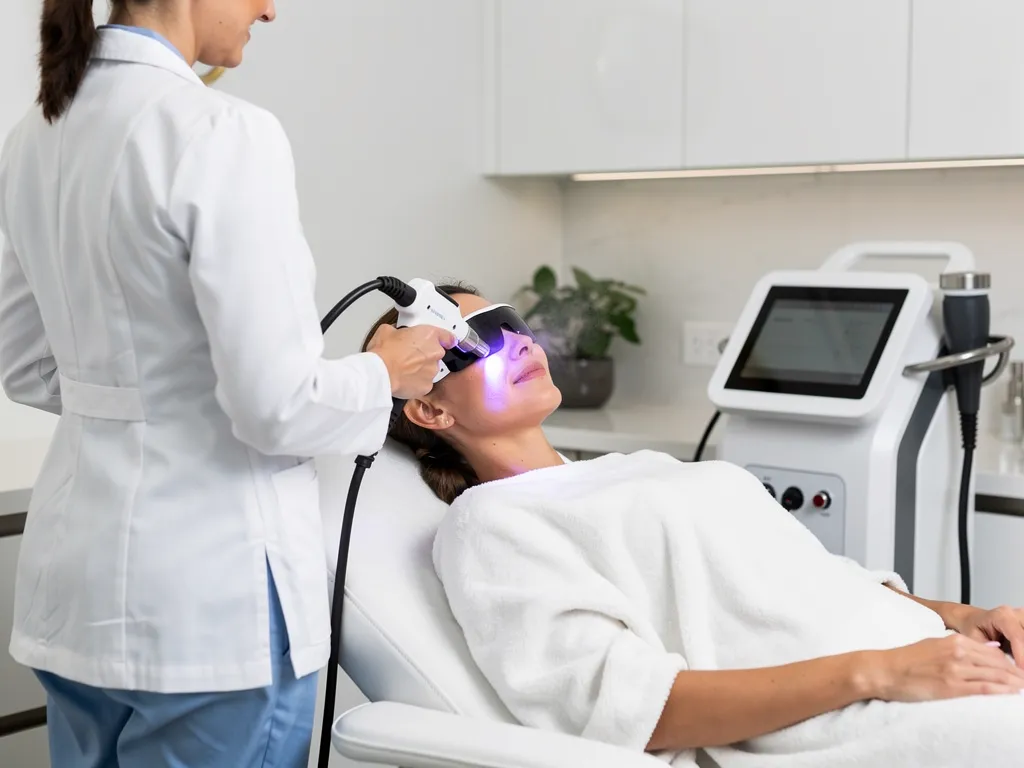
Provider credentials determine outcomes far more than the laser device itself. A patient’s results depend on the judgment guiding the equipment, not the machine alone. Poor technique on skin that’s too sensitive. A settings error on textured skin, causes burns, scarring, or uneven pigment that no product can reverse. That risk is why the advantages of laser skin resurfacing only materialize fully in the hands of a properly trained specialist.
At Couture Dermatology, that specialist is Dr. Karen “Chinonso” Kagha Abisogun, a Harvard Cosmetic Fellowship-trained, board-certified dermatologist and laser specialist. Her fellowship training focused specifically on advanced cosmetic and laser procedures, not general dermatology alone. That distinction matters for patients weighing which provider will handle their face.
Dr. Kagha has also completed the highest tier of cosmetic training available in injectables and laser technology. This level of preparation supports precise device selection, calibrated settings, and safer outcomes across a range of skin tones and concerns. Training at this depth reduces the guesswork that leads to complications.
Why does board certification matter for laser treatments?
Board certification confirms a dermatologist has met rigorous, standardized benchmarks in skin science and procedural safety. For laser resurfacing, that certification signals the provider can assess candidacy correctly and adjust technique to individual skin types.
Does experience really change results?
Yes. A provider with extensive laser resurfacing experience recognizes subtle risk factors before treatment begins, not after. Choosing a seasoned specialist over a generalist office is widely considered essential to achieving a clean, exemplary result.
Dr. Kagha’s practice also emphasizes inclusive, patient-centered care, holding every treatment plan to the highest clinical standard regardless of skin type or tone.
Who Is a Good Candidate for Treatment?
Ideal candidates share a specific set of concerns: fine lines and wrinkles around the eyes, mouth, or forehead, shallow scars left by acne, or skin that failed to tighten properly after a facelift. Patients carrying any of these signs typically see the strongest results from laser resurfacing. Skipping treatment leaves these concerns to deepen over time, often making correction more difficult later.
Candidacy is never determined by a generic checklist at Couture Dermatology. Every treatment plan is built around the individual patient, meaning two people with similar wrinkles may still receive different laser protocols based on skin type, medical history, and goals. This personalized approach reflects the broader philosophy guiding the practice: patients deserve the opportunity to look and feel their best, and the physician takes an active, hands-on role in that journey rather than applying a one-size-fits-all formula.
Does age determine candidacy for laser skin resurfacing?
Age alone does not qualify or disqualify a patient. What matters more is the condition of the skin. The presence of fine lines, shallow acne scarring, or areas that did not respond well to prior surgical work. A thorough evaluation replaces guesswork.
How can someone find out if they qualify?
The most reliable path forward is an in-person evaluation. Prospective patients located in Beverly Hills, CA can schedule a consultation to have their skin assessed directly and receive a tailored recommendation before committing to any procedure.
Laser skin resurfacing represents a significant advancement in dermatological medicine, offering patients a scientifically validated approach to addressing multiple skin concerns simultaneously. By harnessing precision technology under expert clinical guidance, this treatment modality delivers measurable improvements in skin texture, tone, and overall health. At Couture Dermatology in Beverly Hills, our commitment to evidence-based practice ensures that patients receive comprehensive care tailored to their individual needs, establishing laser resurfacing as an essential option for those seeking meaningful, lasting enhancement of their skin’s appearance and vitality.
FAQ
What conditions does laser skin resurfacing address?
Laser skin resurfacing targets brown spots, redness, crepey texture, fine lines, acne scars, and sun damage across nearly every skin type. Dr. Karen Kagha Abisogun offers this nonsurgical treatment at Couture Dermatology in Beverly Hills.
How does laser resurfacing stimulate collagen production?
Ablative laser energy removes the outermost skin layer and heats the tissue beneath it, triggering the body’s natural collagen response. Fresh collagen fibers form as the skin heals, creating firmer, tighter-looking skin over time.
Why does texture correction matter more than treating wrinkles alone?
Texture affects how light reflects off the face, so uneven reflection reads as dullness or age regardless of wrinkle count.
Conclusion
Laser skin resurfacing offers a scientifically grounded path to smoother texture, firmer tone, and a more even complexion by working with the skin’s own collagen response rather than masking concerns on the surface. From correcting sun damage and acne scarring to addressing fine lines and crepey texture, the treatment’s value comes from pairing the right laser technology with a provider who tailors every protocol to the individual patient. At Couture Dermatology, Dr. Karen Kagha Abisogun brings Harvard-trained expertise and a personalized, design-driven approach to each resurfacing plan, giving patients throughout Beverly Hills, CA a trusted path toward healthier, more resilient skin. A consultation remains the clearest next step for anyone ready to explore what laser resurfacing can do for their own skin.