
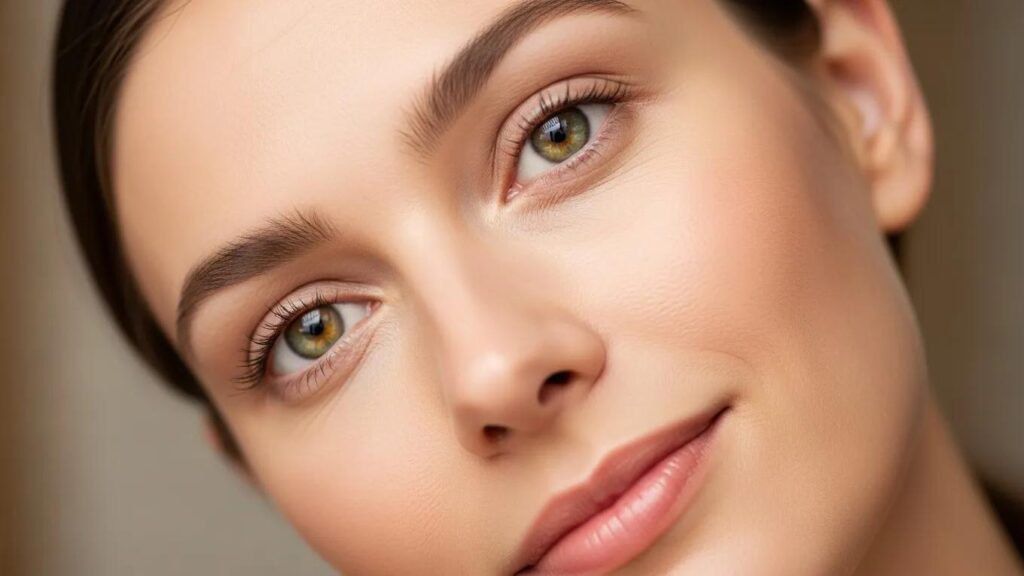
Non-Surgical Eye Rejuvenation Options for Dark Circles: Expert Treatments and Patient Guidance

By Tunde Abisogun, Cosmetic & Medical Dermatology in Beverly Hills | Couture Dermatology
Periorbital dark circles are a common clinical concern that affect patients across age groups. They may result from multiple etiologies, including hereditary predisposition, lifestyle factors, and chronological aging. This document reviews non‑surgical eye rejuvenation modalities aimed at addressing periorbital shadowing and provides clinical guidance for patients. It summarises etiologies, comparative treatment effectiveness, and procedural expectations to support informed decision‑making regarding periocular care.
The sections that follow describe available expert interventions, patient guidance for procedures, expected clinical outcomes, and the pathophysiology of dark circles. Specific non‑surgical modalities—under‑eye fillers, laser therapy, and microneedling—are examined to assist in choosing the most appropriate therapeutic approach.
Expert Treatments Available
Non‑surgical interventions for periorbital dark circles are increasingly employed due to demonstrated efficacy and limited recovery time. Several modalities are available, each with defined indications and mechanisms of action.
- Under-Eye Fillers: These treatments, often using hyaluronic acid fillers, restore volume to the tear trough area, reducing the appearance of shadows and creating a more youthful contour.
- Laser Therapy: This method utilizes targeted light to improve skin texture and pigmentation, effectively reducing dark circles and enhancing overall skin tone.
- Microneedling: By creating micro-injuries in the skin, microneedling stimulates collagen production, improving skin texture and reducing the visibility of dark circles.
- Chemical Peels: These treatments exfoliate the skin, removing dead cells and promoting new cell growth, which can help lighten pigmentation around the eyes.
Each modality confers specific clinical advantages. Selection should be based on patient anatomy, skin type, and defined treatment objectives.
Patient Guidance on Procedures
Comprehensive preprocedural counselling is essential for non‑surgical eye rejuvenation. The consultation typically includes a detailed review of medical history, current medications, and aesthetic goals.
- Consultation Process: Patients should discuss their concerns and desired outcomes with their practitioner, who will recommend suitable treatment options based on individual needs.
- Preparation for Treatments: Depending on the procedure, patients may need to avoid certain medications or supplements that can increase bleeding or bruising.
- Recovery Expectations: Most non-surgical treatments have minimal downtime, with patients often able to resume normal activities shortly after the procedure. However, some swelling or bruising may occur, which typically resolves within a few days.
Adherence to pre‑ and post‑procedure instructions reduces complication risk and optimizes clinical outcomes.
Expected Outcomes
Clinical results from non‑surgical eye rejuvenation vary according to modality and patient factors.
- Immediate vs. Gradual Results: Some treatments, like under-eye fillers, provide immediate results, while others, such as microneedling, may take several weeks to show full effects as collagen production increases.
- Longevity of Treatments: The duration of results can vary; fillers may last from six months to a year, while laser therapy effects can be more long-lasting with proper skincare maintenance.
- Natural Appearance of Results: A key benefit of non-surgical treatments is the ability to achieve a natural look, enhancing the eyes without the need for invasive surgery.
Setting realistic expectations regarding onset, duration, and appearance of results is critical for patient satisfaction.
What Causes Dark Circles and How Do They Affect Eye Appearance?
Periorbital dark circles arise from a combination of physiological and behavioral factors.
- Physiological Factors: Genetics play a significant role, as some individuals are predisposed to darker pigmentation or thinner skin under the eyes, making blood vessels more visible.
- Lifestyle Influences: Factors such as lack of sleep, dehydration, and excessive sun exposure can exacerbate the appearance of dark circles.
- Psychological Impacts: Stress and fatigue can lead to a tired appearance, further highlighting dark circles and affecting overall facial aesthetics.
An accurate assessment of underlying causes directs appropriate therapeutic selection.
Non-Surgical Eye Rejuvenation Options
Multiple non‑surgical treatments are available to address periorbital dark circles; each employs a distinct mechanism to improve appearance.
- Under-Eye Fillers: These fillers, primarily composed of hyaluronic acid, restore lost volume and improve the contour of the under-eye area, effectively reducing shadows.
- Laser Therapy: This treatment targets pigmentation and improves skin texture, making it an effective option for those with darker circles due to vascular visibility.
- Microneedling: By stimulating collagen production, microneedling enhances skin elasticity and texture, which can help diminish the appearance of dark circles over time.
- Chemical Peels: These treatments exfoliate the skin, promoting new cell growth and lightening pigmentation, making them suitable for individuals with hyperpigmentation around the eyes.
These options permit individualized treatment planning based on the predominant etiologic factor and patient goals.
Understanding the Medical and Cosmetic Factors Behind Dark Circles
Periorbital shading results from both structural and pigmentary contributors.
- Volume Loss: As individuals age, they may experience a loss of fat and collagen in the under-eye area, leading to a hollow appearance that casts shadows.
- Vascular Visibility: Thinning skin can make blood vessels more prominent, contributing to the dark appearance of the under-eye area.
- Melanin Hyperpigmentation: Increased melanin production can lead to darker pigmentation under the eyes, often exacerbated by sun exposure and genetics.
Proper differentiation between structural and pigmentary causes is essential to select the most effective intervention.
How Volume Loss and Pigmentation Contribute to Under Eye Shadows
Volume depletion and pigmentary changes are principal contributors to periorbital shadowing.
- Impact of Aging: As skin ages, it loses elasticity and volume, making the under-eye area more susceptible to shadows.
- Treatment Options for Volume Loss: Under-eye fillers can effectively restore volume, while surgical options may be considered for more severe cases.
- Pigmentation Treatment Strategies: Laser therapy and chemical peels can help address pigmentation issues, providing a more even skin tone.
Addressing both volume loss and pigmentation concurrently often produces the most cosmetically satisfactory results.
Which Non-Surgical Treatments Effectively Address Dark Circles?
Several non‑surgical modalities have demonstrated clinical utility in the management of periorbital dark circles.
- Under-Eye Fillers: These are particularly effective for individuals with volume loss, providing immediate results and a natural look.
- Laser Therapy: This method is ideal for those with pigmentation issues, as it targets specific areas to improve skin tone and texture.
- Microneedling: This treatment is beneficial for overall skin rejuvenation, promoting collagen production and improving skin quality over time.
Treatment selection should be based on the predominant etiologic factor and patient preferences.
How Do Under Eye Filler Treatments Improve Volume and Contour?
Hyaluronic acid–based fillers are frequently used to restore volume and refine tear‑trough contour in the periocular region.
- Mechanism of Action: The filler is injected into the under-eye area, where it binds to water molecules, providing hydration and volume.
- Expected Results: Patients can expect a smoother, more youthful appearance with reduced shadows and improved contour.
- Risks and Considerations: While generally safe, potential side effects include swelling, bruising, and, in rare cases, allergic reactions.
Understanding mechanism, expected benefits, and potential adverse events supports informed consent and appropriate patient selection.
Hyaluronic Acid Dermal Fillers for Infraorbital Hyperpigmentation
Patients who were considered appropriate candidates for subdermal hyaluronic acid tear‑trough augmentation sought improvement of infraorbital hyperpigmentation attributable to volume deficit.
Novel technique of non‐surgical rejuvenation of infraorbital dark circles, S Shah‐Desai, 2021
What Are the Benefits and Risks of Laser Therapy for Dark Circles?
Laser therapy may provide targeted improvement of periorbital pigmentation and vascular components, but it is associated with potential procedural risks that should be reviewed during consent.
- Targeted Treatment Advantages: Laser therapy can precisely target pigmentation and vascular issues, leading to significant improvements in skin appearance.
- Potential Side Effects: Common side effects include redness, swelling, and temporary discomfort, which typically resolve quickly.
- Recovery Expectations: Most patients can return to normal activities within a few days, making it a convenient option for those with busy lifestyles.
A structured risk–benefit discussion with a qualified clinician will determine whether laser therapy is appropriate for a given patient.
How Does Microneedling Enhance Skin Texture Around the Eyes?

Microneedling induces controlled microtrauma to the dermis, stimulating collagen and elastin synthesis and thereby improving periocular skin quality.
- Collagen Stimulation: The procedure involves using fine needles to create micro-injuries in the skin, stimulating the body’s natural healing response and collagen production.
- Skin Texture Improvement: As collagen builds, patients often notice smoother, firmer skin, which can help reduce the appearance of dark circles.
- Recovery Time: Most patients experience minimal downtime, with redness and swelling subsiding within a few days.
This procedure is appropriate for patients seeking non‑invasive improvement in skin texture and elasticity.
What Is the Procedure and Expected Recovery Time for Eye Area Microneedling?
Periocular microneedling follows a standardized protocol with limited recovery time when performed by a trained clinician.
- Step-by-Step Procedure: The treatment begins with a thorough cleansing of the skin, followed by the application of a topical anesthetic to minimize discomfort. The microneedling device is then used to create controlled micro-injuries in the skin.
- Expected Recovery Time: Patients can expect some redness and swelling, similar to a mild sunburn, which typically resolves within 24-48 hours.
- Aftercare Recommendations: Post-treatment care includes avoiding sun exposure and using gentle skincare products to promote healing.
Clear preprocedural instruction helps patients prepare and reduces the likelihood of postprocedural complications.
How Does Microneedling Stimulate Collagen Production to Reduce Dark Circles?
Microneedling elicits a wound‑healing cascade that increases collagen and elastin deposition in the dermis, improving tissue quality over time.
- Collagen Production Process: The micro-injuries created during the procedure trigger the body’s natural healing response, leading to increased collagen and elastin production.
- Expected Results: Over time, patients may notice improved skin texture and reduced visibility of dark circles as collagen builds.
- Treatment Frequency: For optimal results, multiple sessions may be recommended, typically spaced 4-6 weeks apart.
Multiple treatment sessions are often required to achieve and maintain clinically meaningful improvement.
What Role Do Chemical Peels and Dermatology-Grade Eye Creams Play in Rejuvenation?
Chemical peels and prescription‑grade periocular topicals serve as important adjuncts to in‑office procedures.
- Effectiveness of Chemical Peels: These treatments exfoliate the skin, removing dead cells and promoting new cell growth, which can help lighten pigmentation around the eyes.
- Benefits of Eye Creams: Dermatology-grade eye creams often contain active ingredients that target specific concerns, such as dark circles and puffiness, providing additional support for rejuvenation.
- Application Methods: Proper application techniques, such as gentle tapping, can enhance the absorption of these products, maximizing their effectiveness.
Adjunctive topical regimens can support procedural outcomes and contribute to long‑term skin health.
Which Chemical Peels Are Safe and Effective for the Delicate Eye Area?
Certain light chemical peels are considered appropriate for the periocular region when selected and administered by a qualified practitioner.
- Types of Chemical Peels: Light peels, such as glycolic acid or lactic acid peels, are often recommended for the eye area due to their gentle nature.
- Expected Results: Patients can expect improved skin texture and a reduction in pigmentation with regular treatments.
- Patient Considerations: Individuals with sensitive skin should consult with a dermatologist to determine the most suitable peel for their needs.
Peel selection should be individualized following dermatologic assessment to minimize risk and maximize benefit.
How Do Dermatology Treatments and Eye Creams Complement Other Procedures?
Topical therapies and in‑office procedures are frequently combined to address different pathophysiologic components of periorbital dark circles.
- Combination Treatment Benefits: Using eye creams in conjunction with treatments like fillers or laser therapy can enhance results, providing comprehensive care for dark circles.
- Patient Outcomes: Patients often report improved satisfaction when combining treatments, as each addresses different aspects of their concerns.
- Safety Considerations: It is essential to consult with a qualified practitioner to ensure that all products and treatments are compatible and safe for use together.
A multimodal strategy, determined in consultation with a clinician, often yields the most consistent aesthetic improvements.
Who Is an Ideal Candidate for Non-Surgical Eye Rejuvenation Treatments?
Appropriate candidate selection is fundamental to achieving optimal outcomes with non‑surgical periocular treatments.
- Age Considerations: While dark circles can affect individuals of all ages, those in their 20s to 50s often see the best results from non-surgical options.
- Skin Type Suitability: Candidates with specific skin types or concerns, such as volume loss or pigmentation, may benefit more from targeted treatments.
- Specific Concerns Addressed: Individuals looking to enhance their appearance without invasive surgery are ideal candidates for these procedures.
Evaluating age, skin characteristics, and treatment objectives enables clinicians to recommend the most suitable interventions.
What Patient Factors Determine Suitability for Under Eye Fillers and Laser Therapy?
Multiple patient‑specific factors determine appropriateness for under‑eye fillers and laser interventions.
- Medical History: A thorough medical history is essential to identify any contraindications or potential risks associated with treatment.
- Lifestyle Factors: Patients who maintain a healthy lifestyle and have realistic expectations are often better candidates for these procedures.
- Expectations: Clear communication about desired outcomes and understanding the limitations of each treatment is vital for patient satisfaction.
Careful assessment of medical, lifestyle, and psychosocial factors allows practitioners to tailor treatment plans and mitigate risk.
Biofillers for Non-Surgical Infraorbital Rejuvenation
Rising demand for non‑surgical cosmetic procedures has increased interest in autologous biofillers for infraorbital rejuvenation due to their minimally invasive and biocompatible properties, and relative cost‑effectiveness. Periorbital hyperpigmentation and age‑related volume depletion adversely affect facial aesthetics. Unlike hyaluronic acid fillers, PRP‑derived biofillers utilise the patient’s own biological material to promote regenerative outcomes in the suborbital region.
A Comprehensive Evaluation of Biofillers for Infraorbital Rejuvenation, 2025
How Is Personalized Skincare Incorporated into Treatment Plans?
Personalized skincare is an integral component of an evidence‑based treatment plan for periocular rejuvenation.
- Assessment Process: A comprehensive skin assessment helps identify specific concerns and goals, allowing for tailored treatment plans.
- Tailored Treatment Plans: Incorporating personalized skincare products can enhance the effects of in-office treatments, providing ongoing support for skin health.
- Integration of Products: Using dermatology-grade eye creams and serums can complement procedures, ensuring optimal results and long-term benefits.
A tailored topical regimen, coordinated with procedural interventions, promotes sustained improvement and skin health maintenance.
What Are the Consultation, Pricing, and Booking Procedures at Couture Dermatology?
Couture Dermatology maintains a structured process for consultations, pricing transparency, and appointment scheduling for non‑surgical periocular treatments.
- Consultation Requirements: Patients are encouraged to schedule a consultation to discuss their concerns and explore treatment options tailored to their needs.
- Pricing Structure: Pricing varies based on the specific treatments chosen, with options available to suit different budgets.
- Booking Procedures: Appointments can be easily scheduled by contacting the office directly, ensuring a convenient experience for patients.
This organised process facilitates timely access to care and informed financial planning.
Hyaluronic Acid Dermal Fillers for Periorbital Rejuvenation
The periorbital region’s appearance is critical for facial aesthetic perception and is a common concern among patients seeking rejuvenation. TEOSYAL® PureSense Redensity 2 (R2) has a decade-long history of effectively and safely addressing the under-eye area, particularly the tear trough.
Real-world evidence on the routine use, efficacy, and safety of a hyaluronic acid-based dermal filler in the periorbital region, S Shah-Desai, 2025
How to Schedule a Professional Evaluation for Non-Surgical Eye Rejuvenation?
Scheduling a professional evaluation for non‑surgical eye rejuvenation is straightforward and begins with contacting the clinic to arrange an initial consultation.
- Contact Information: Patients can reach out to Couture Dermatology at (310) 444-0946 to discuss their concerns and schedule an appointment.
- Appointment Requirements: During the initial consultation, patients will have the opportunity to discuss their goals and receive personalized recommendations.
- Consultation Details: The consultation will cover treatment options, expected outcomes, and any necessary preparations.
Proactive scheduling ensures patients receive comprehensive evaluation and preparatory guidance prior to any procedure.
What Are the Typical Costs and Insurance Considerations for These Treatments?
Clear information regarding costs and insurance implications is important for patients considering non‑surgical periocular treatments.
- Cost Range for Treatments: Prices for treatments can vary widely based on the specific procedures chosen, with under-eye fillers typically ranging from $600 to $1,200 per session.
- Insurance Considerations: Most cosmetic procedures are not covered by insurance, so patients should be prepared for out-of-pocket expenses.
- Payment Options: Couture Dermatology offers various payment options to make treatments more accessible for patients.
Transparent discussion of fees and payment options enables patients to make informed financial decisions regarding their care.
Frequently Asked Questions
What is the ideal age to consider non-surgical eye rejuvenation treatments?
The typical age range for non‑surgical periocular treatments is late 20s through the 50s, when early signs of volume loss and pigmentary change commonly emerge. Younger patients may present with congenital or genetic predisposition to dark circles and may also be appropriate candidates. A qualified practitioner should assess individual anatomy and timing for intervention.
How can lifestyle changes complement non-surgical treatments for dark circles?
Appropriate lifestyle measures complement procedural interventions. Adequate sleep, optimal hydration, and a nutrient‑rich diet support skin health. Sun protection reduces progressive pigmentation. A consistent, dermatologist‑recommended periocular skincare regimen can sustain and enhance treatment results.
Are there any specific aftercare instructions following non-surgical treatments?
Postprocedural care is essential to optimise recovery. Patients are commonly advised to avoid strenuous exercise, excessive sun exposure, and makeup for at least 24 hours after treatment. Cold compresses may reduce swelling. Follow all practitioner‑provided instructions and avoid medications or supplements that increase bleeding risk unless cleared by the clinician.
What are the differences between hyaluronic acid fillers and biofillers for dark circles?
Hyaluronic acid fillers and autologous biofillers address similar clinical problems through different mechanisms. Hyaluronic acid fillers provide immediate volumization and hydration through water‑binding properties. Biofillers derived from autologous sources, such as platelet‑rich plasma (PRP), aim to promote tissue regeneration and healing. Both approaches can correct volume deficit; biofillers may offer regenerative benefits and a lower risk of allergic reaction in appropriate patients.
How often should treatments like microneedling be repeated for best results?
Microneedling is typically performed at intervals of 4 to 6 weeks to allow for dermal remodelling. A course of 3 to 6 sessions is common, depending on the clinical indication. Maintenance treatments every 6 to 12 months may be recommended to preserve results; the exact schedule should be determined with the treating clinician.
What should patients expect during their initial consultation for eye rejuvenation?
The initial consultation includes a detailed medical history, review of medications, assessment of skin type and periocular anatomy, and clarification of aesthetic goals. The practitioner will discuss relevant treatment options, expected outcomes, and potential risks to facilitate informed consent. A targeted physical examination of the under‑eye region may be performed to identify the primary contributing factors.
Conclusion
Non‑surgical periocular rejuvenation can effectively reduce dark circles and improve aesthetic appearance when selected and performed appropriately. Understanding the available modalities and realistic outcomes allows patients and clinicians to develop individualized treatment plans. To determine the most suitable approach for your periocular concerns, schedule a formal consultation with a qualified practitioner.