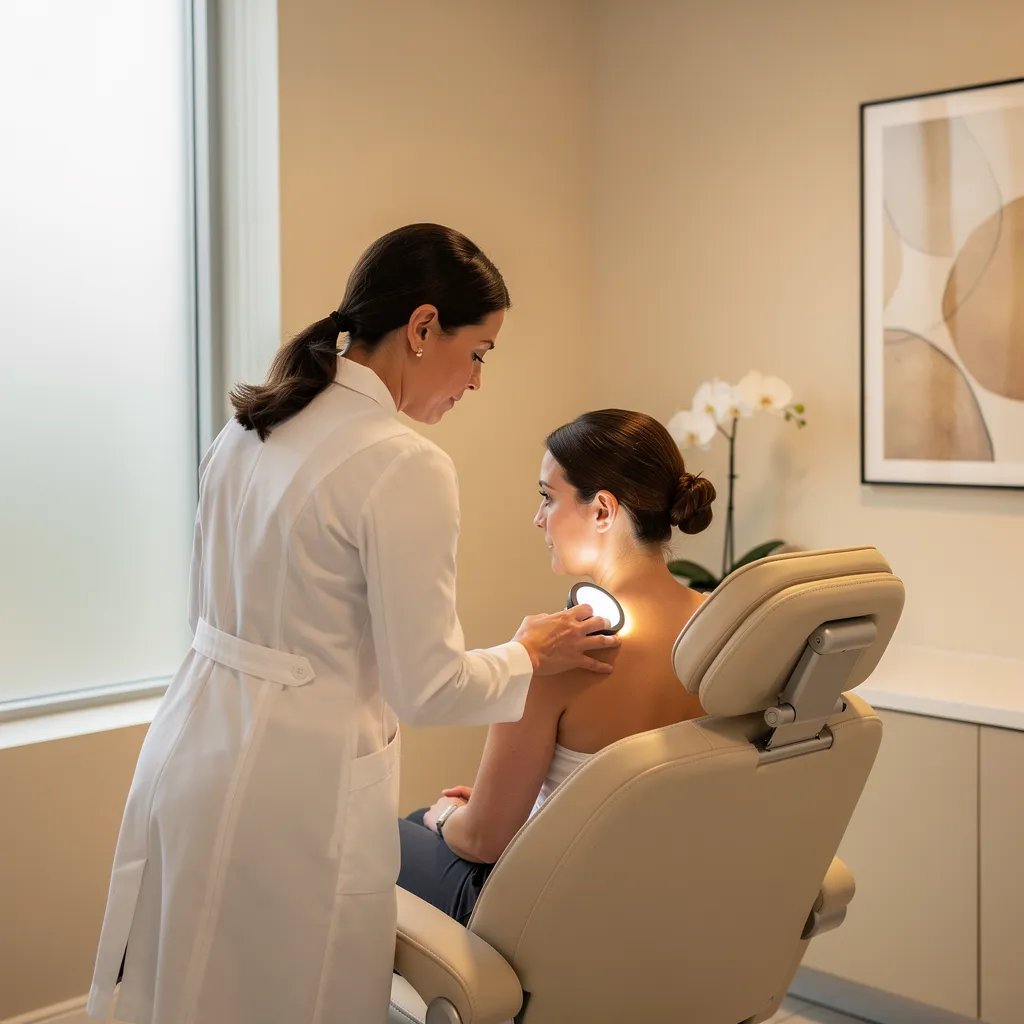
Skin resurfacing suits most skin types, from oily to sensitive, depending on treatment intensity. Couture Dermatology in Beverly Hills evaluates your skin type, concerns, and downtime tolerance to match you with options like chemical peels, microneedling, or laser resurfacing for optimal, personalized results.
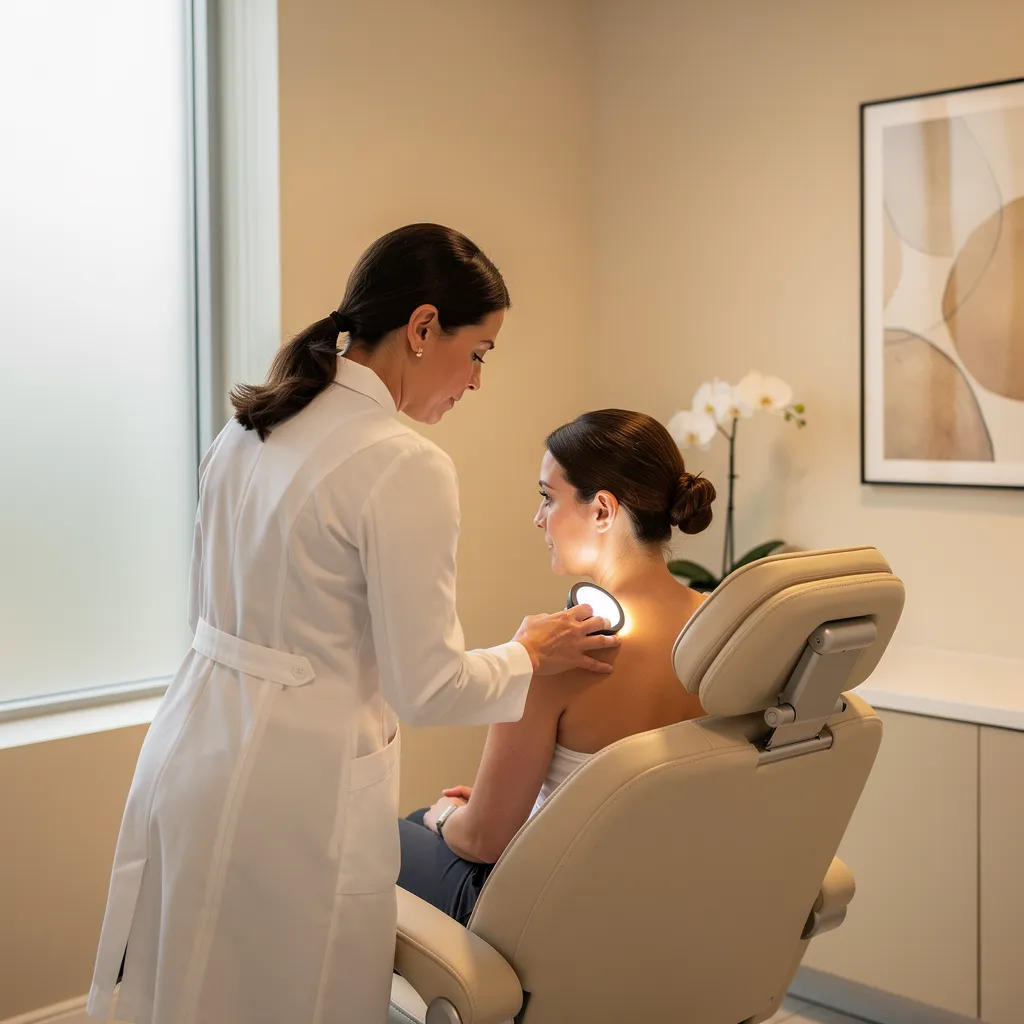
Skin type determines treatment choice: fractional CO2 lasers create microscopic columns of treated tissue for deeper resurfacing, while nonablative options suit sensitive or darker skin tones with less downtime. Couture Dermatology, based in Beverly Hills, CA, evaluates your skin type before recommending an appropriate resurfacing method.
Skin resurfacing candidacy depends on skin type, tone, and specific concerns like acne scars, sun damage, or fine lines. Couture Dermatology, founded by board-certified dermatologist Dr. Karen Kagha Abisogun, customizes treatments using fractional CO2
What Signs Mean Skin Resurfacing Could Help You?
Fine lines, stubborn age spots, and uneven skin tone signal that skin resurfacing may offer real benefit. These concerns commonly show up first on the face, where sun exposure and years of daily wear leave the most visible marks. Sagging skin falls outside what resurfacing addresses, so patients with primarily volume or laxity concerns need a different conversation.
Resurfacing works by removing the outermost, most damaged layers of skin. Beneath that surface sits healthier tissue, and the procedure encourages fresh, new skin cell growth to take its place. Patients who notice rough texture, dullness, or a complexion that looks older than they feel are often strong candidates.
What skin concerns respond best to resurfacing?
Age spots, fine lines, and blotchy or uneven pigmentation respond consistently well to resurfacing treatments. Patients dealing with sun damage accumulated over years, or a complexion that has lost its even tone, tend to see meaningful improvement.
Does one resurfacing plan work for everyone?
No single protocol fits every patient. Couture Dermatology builds each skin resurfacing plan around the individual’s specific concerns rather than applying a standard, one-size-fits-all approach.
Common signs worth discussing at a consultation include:
- Visible fine lines that have deepened over time
- Age spots or sun damage across the cheeks, forehead, or hands
- Uneven skin tone or persistent discoloration
- Rough or dull texture that skincare products no longer improve
Dr. Kagha Abisogun approaches candidacy evaluation with a simple conviction: every patient deserves the chance to look and feel their best. That philosophy guides how she matches each concern to the right resurfacing approach.

Is Skin Resurfacing Right for Your Skin Type?
Determining candidacy for skin resurfacing lasers depends on skin tone, texture, and the specific concern a patient wants addressed. Laser treatments apply focused light energy to precise areas of skin, prompting new tissue growth, fading pigmentation, or resurfacing damaged layers. Not every device suits every complexion, which is why a proper evaluation matters before any treatment begins.
Matching the right laser to an individual’s skin type isn’t a formality — it’s the factor that separates a smooth recovery from a frustrating one. Selecting a device suited to a patient’s skin produces stronger, more consistent results while lowering the chance of irritation, discoloration, or prolonged redness. Skipping this step raises the risk of setbacks that can take weeks to resolve.
How does Couture Dermatology decide which laser fits a patient’s skin?
Dr. Kagha Abisogun draws on advanced, specialized training in cosmetic injectables and laser technology to guide these decisions. That training supports safe, optimal outcomes across a wide range of skin tones and conditions, rather than a one-size-fits-all approach.
What makes a treatment plan truly personalized?
Couture Dermatology builds bespoke treatment protocols around each patient’s unique skin, not a standardized laser setting applied to everyone equally. This means two patients with sun damage might leave with entirely different laser plans.
Several factors typically shape that plan:
- Skin tone and undertone, which influence how skin absorbs and reacts to laser energy
- Primary concern, whether fine lines, acne scars, uneven tone, or textural irregularities
- Skin sensitivity and healing history, including past reactions to cosmetic procedures
- Treatment goals, from subtle refinement to more visible correction
| Consideration | Why It Matters |
|---|---|
| Skin tone | Affects pigmentation risk and laser selection |
| Concern type | Determines treatment depth and technique |
| Sensitivity history | Guides intensity and aftercare planning |
A personalized consultation remains the clearest path to knowing whether resurfacing suits a particular complexion.
What Types of Resurfacing Lasers Exist?
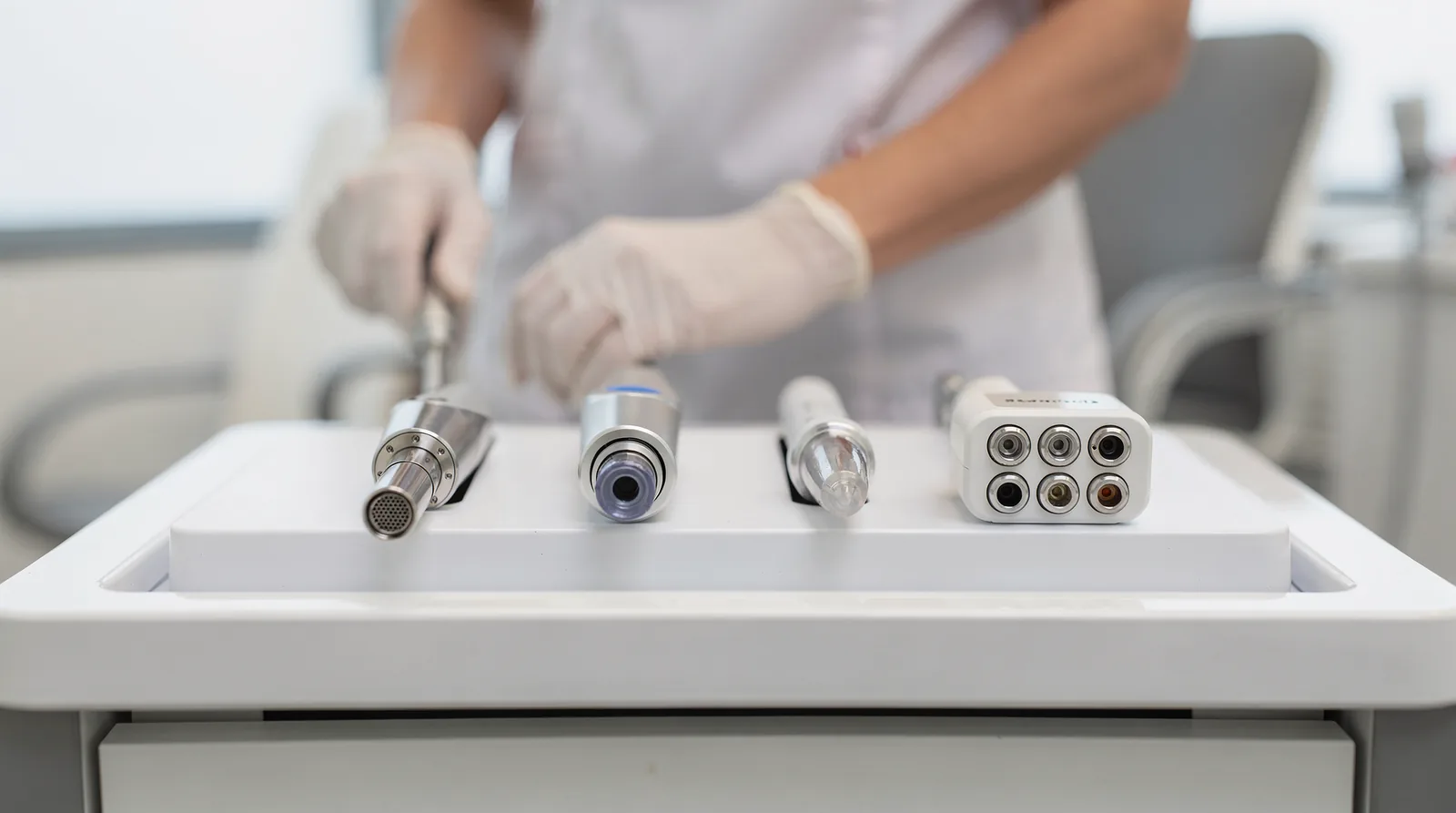
Two broad categories define modern resurfacing lasers: ablative and non-ablative devices. Ablative lasers destroy the outer layer of skin outright, then heat the deeper tissue beneath it. That heat triggers new collagen growth, the structural protein responsible for firmer, smoother skin. Non-ablative lasers work more gently, warming tissue without wounding the surface, which typically means less downtime but a slower path to visible change.
Neither category is inherently “better.” The right choice depends on skin concern, tone, and tolerance for recovery time. This is where a personalized consultation matters more than a generic treatment menu.
How does a dermatologist choose between ablative and non-ablative options?
At Couture Dermatology, Dr. Kagha Abisogun approaches this decision as a natural facial designer rather than a technician running a checklist. She matches device type to each patient’s unique skin story — texture, scarring pattern, sun damage, and long-term goals all factor into the recommendation. No two prescriptions look identical, because no two faces carry the same history.
Is one laser type used for every patient?
No single laser suits every skin type or every concern. Someone with deep acne scarring may need a more aggressive ablative approach, while a patient managing early fine lines might respond well to a gentler non-ablative session. Couture Dermatology treats skin with intention and trusted expertise at every step of that decision-making process, ensuring the selected method aligns with both the visible concern and the patient’s realistic recovery expectations.

What Results and Downtime Should You Expect?
Most patients return to normal routines within days, not weeks. Resurfacing treatments performed at Couture Dermatology are largely non-surgical, and recovery typically involves little to no downtime. This makes scheduling a session far less disruptive than surgical alternatives, which often require weeks of healing before results become visible.
Longevity matters as much as speed of recovery. When paired with a consistent, physician-guided skin care routine, results from resurfacing treatments last for years rather than months. Skin that receives ongoing sun protection, hydration, and targeted product support holds its improvements far longer than skin left unmanaged after treatment.
Will results look natural, or obviously “done”?
Natural-looking outcomes remain a priority for patients weighing their first cosmetic treatment. Couture Dermatology’s signature non-surgical combination approach, known as Couture Elevator Tone and Tighten, addresses the core pillars of aging rather than isolated concerns like fine lines or discoloration alone. That layered strategy supports subtler, more balanced improvement instead of a single dramatic change.
What can patients expect emotionally, not just physically?
Confidence tends to follow closely behind visible improvement. The underlying goal of treatment extends beyond smoother skin: patients are meant to feel empowered to show up beautifully, confidently, and effortlessly in daily life. That outcome, paired with realistic expectations about downtime and gradual results, helps first-time patients approach resurfacing with clarity rather than anxiety.
Recovery experiences vary by individual skin type and treatment intensity, which is why a personalized consultation remains the most reliable way to set accurate expectations before booking.
How Do You Choose a Provider and Next Steps?
Provider selection comes down to credentials, experience, and a genuine commitment to individualized care. Couture Dermatology, based in Beverly Hills, California, was built around exactly that standard for adults exploring advanced skin treatments for the first time. Founder Dr. Karen “Chinonso” Kagha Abisogun, MD, FAAD, completed Harvard cosmetic fellowship training and holds board certification in dermatology — credentials that matter when asking, How Do I Determine if Skin Resurfacing Lasers Are Right for My Skin Type?
What Makes a Dermatologist Qualified to Perform Laser Resurfacing?
Fellowship training in cosmetic dermatology signals advanced, hands-on expertise beyond general residency. Dr. Kagha Abisogun’s board certification, paired with that specialized training, reflects a deep commitment to precise, evidence-based skin care rather than one-size-fits-all treatment.
Patients weighing their options should look for a few consistent markers of quality care:
- Board certification in dermatology, confirming rigorous clinical training
- Fellowship-level experience in cosmetic and laser procedures
- A practice built on inclusive, patient-first care rather than volume-driven visits
- A clear, consistent standard applied across every treatment offered
Why Does a Personalized Consultation Matter?
Skin type, tone, and concern vary widely, so no single laser protocol fits everyone. Couture Dermatology structures its offerings around two distinct paths of care, both held to one unified standard. That structure allows each consultation to focus on the patient’s actual skin, not a generic template — a distinction worth prioritizing before booking any resurfacing procedure.
FAQ
What determines whether skin resurfacing suits my skin type?
Skin type, tone, and specific concerns like acne scars, sun damage, or fine lines determine candidacy. Couture Dermatology evaluates these factors before recommending fractional CO2 or nonablative options suited to your complexion.
What concerns does skin resurfacing not address?
Sagging skin falls outside what resurfacing treats, since it primarily addresses volume or laxity issues. Patients with these concerns need a different conversation, while resurfacing works best on texture, tone, and pigmentation issues.
Does Couture Dermatology use a standard treatment plan for every patient?
No single protocol fits every patient at Couture Dermatology. Dr. Kagha Abisogun builds each skin resurfacing plan around the individual’s specific concerns rather than applying a one-size-fits-all approach.
Conclusion
Determining whether skin resurfacing is right for you starts with an honest look at your skin type, tone, and the specific concerns you want addressed — fine lines, sun damage, uneven texture, or acne scarring each call for a different approach. Ablative and non-ablative lasers, chemical peels, and microneedling all serve different roles, and no single protocol works for every patient. Couture Dermatology, under the guidance of Dr. Karen Kagha Abisogun, builds each treatment plan around the individual, weighing skin sensitivity, healing history, and treatment goals alongside the desired result. With realistic expectations about downtime and a physician-guided skin care routine afterward, resurfacing can deliver natural, lasting improvement. A personalized consultation remains the clearest way to find the right fit for your skin.