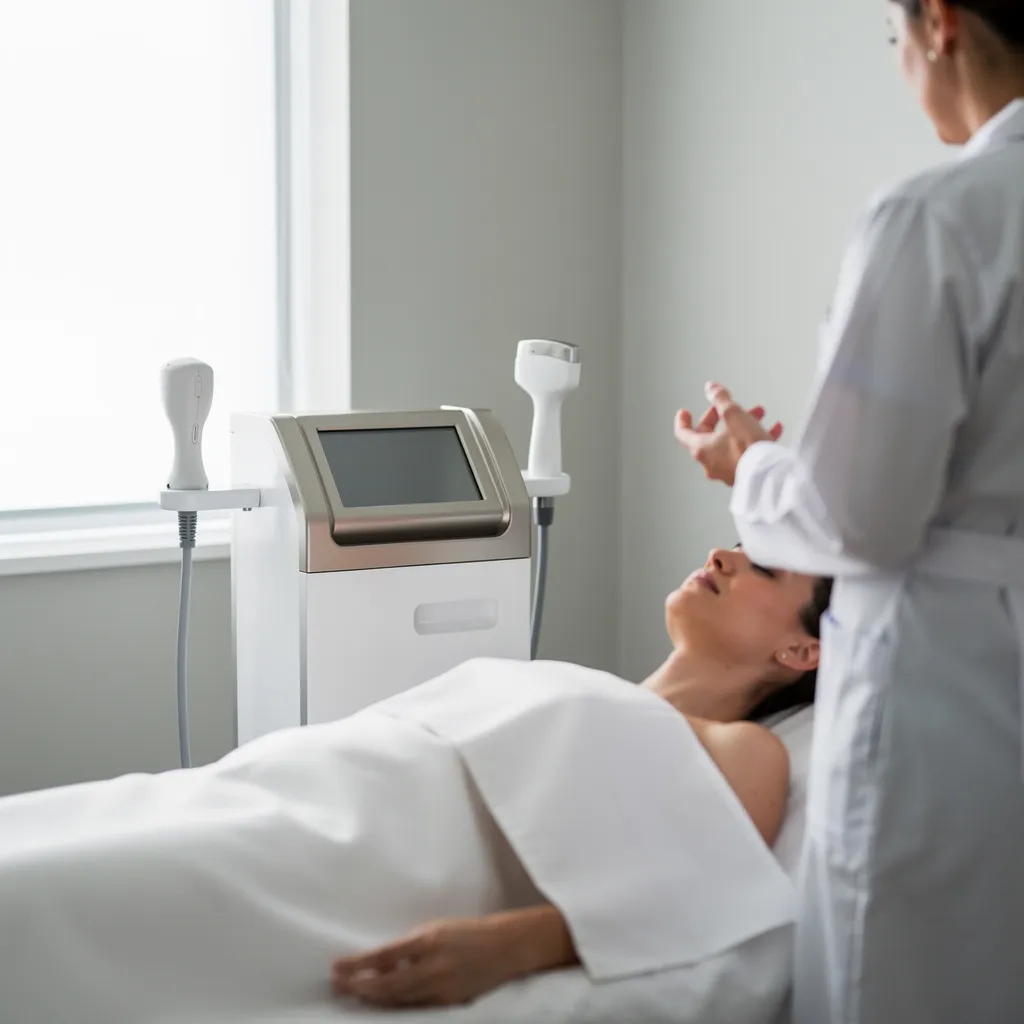
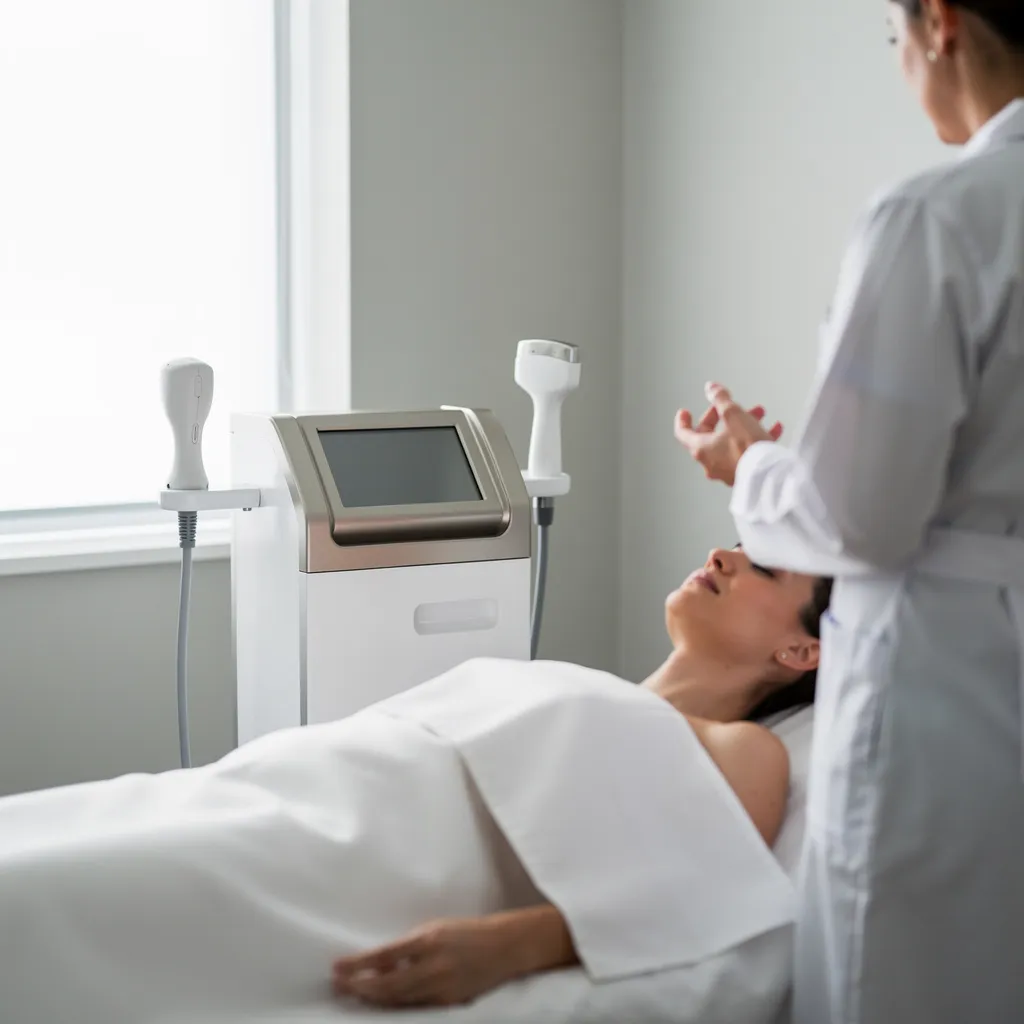
When it comes to Are There Specific Skin Types That Should Avoid Non-Surgical Skin Tightening Treatments?, individuals with active skin infections, uncontrolled autoimmune conditions, implanted pacemakers, or pregnancy generally fall outside candidacy for non-surgical skin tightening using radiofrequency or ultrasound energy. Those seeking dramatic correction of severe skin laxity typically need surgical alternatives instead. Results from these 30-90 minute in-office sessions develop gradually over roughly three months.
Why Does Screening Matter Before Treatment?
Proper evaluation determines whether a client’s skin responds safely to energy-based tightening. Ultrasound, radiofrequency, and intense pulsed light devices stimulate collagen production beneath the surface, and these methods treat the face, neck, and body without surgery or scarring. Suitability, however, depends on skin condition, medical history, and treatment goals. Not every complexion or health profile qualifies for the same protocol.
Certain skin types that should avoid non-surgical skin tightening treatments include those with active infections, severe acne breakouts, or unmanaged autoimmune conditions in the treatment area. Deep screening catches these red flags before energy delivery begins.
What Happens During a Candidacy Evaluation?
A qualified provider examines skin laxity, tone, and underlying health factors before recommending any device. Dr. Karen “Chinonso” Kagha Abisogun, a Harvard Cosmetic Fellowship-trained and board-certified dermatologist, personally assesses eligibility rather than relying on a generic checklist. This step protects clients from complications and sets realistic expectations for results.
Why Choose a Board-Certified Specialist?
Board certification signals rigorous, standardized training in laser and injectable safety. Couture Dermatology & Laser Beverly Hills combines advanced dermatologic science with individualized, couture-level care, so every evaluation reflects both clinical precision and genuine attentiveness.
Skipping this screening step raises the risk of uneven results, prolonged irritation, or treating skin that was never a good match in the first place.
Which Skin Types Should Avoid Treatment?
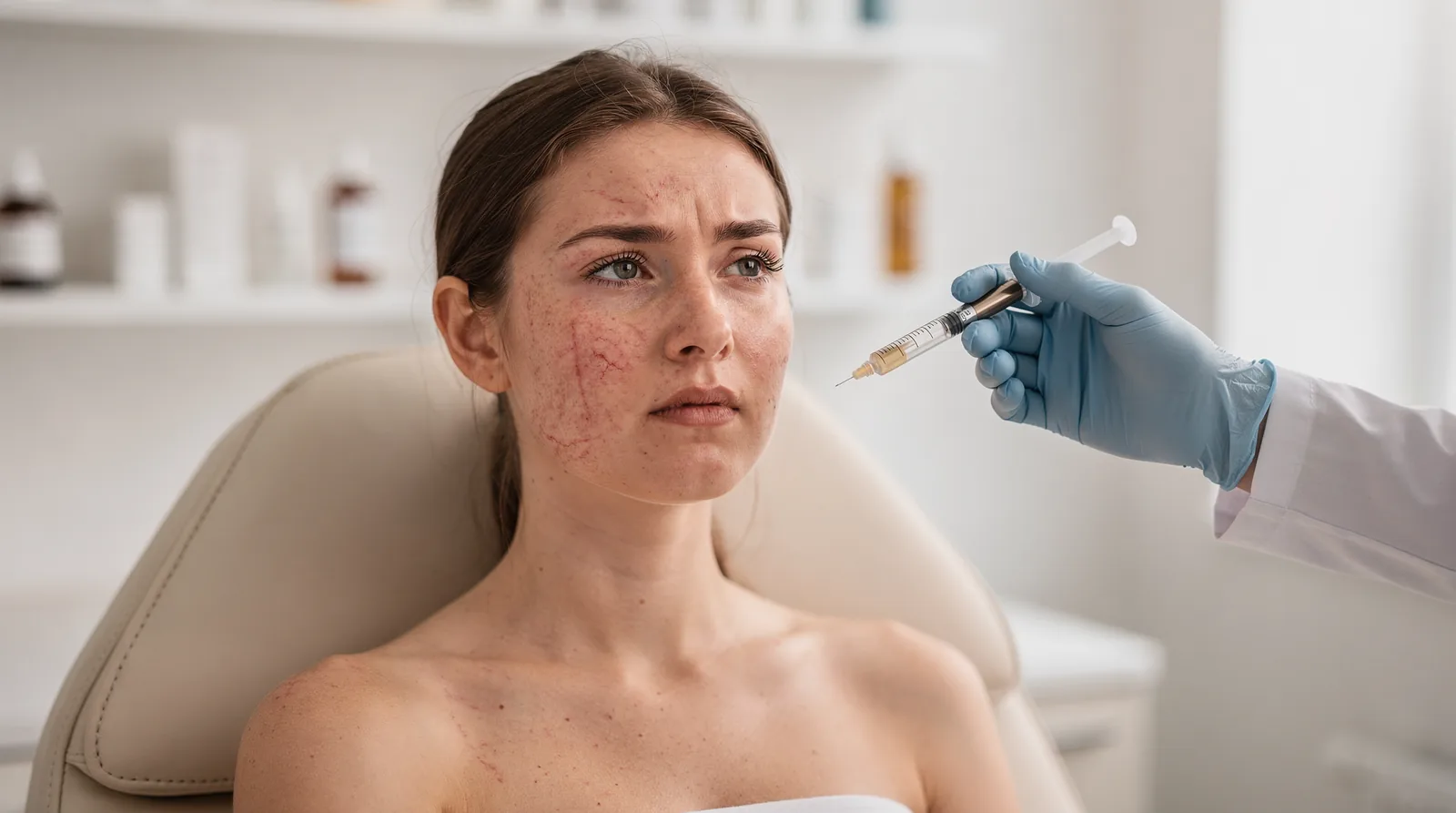
Certain skin conditions and laxity levels determine whether non-surgical skin tightening delivers meaningful results. Candidates with severe sagging skin, rather than mild to moderate laxity, typically see limited improvement from energy-based devices alone. Healthy adults with mild to moderate skin laxity remain the ideal candidates for these treatments. The technology relies on the body’s own collagen response rather than surgical removal of excess tissue.
Skin that has already progressed to advanced laxity on the face, neck, arms, or abdomen often requires a different approach. Non-surgical methods address early-to-moderate loose skin, not the more significant sagging that typically calls for a surgical elevator. Attempting to correct advanced laxity with heat-based energy alone frequently produces underwhelming outcomes and lingering disappointment.
Who Is Not a Good Candidate for Skin Tightening?
Individuals with pronounced sagging beyond mild-to-moderate laxity generally fall outside the ideal candidate profile. Rather than guessing at suitability, prospective patients benefit from an in-person evaluation that maps their specific skin type and laxity level against realistic treatment expectations. Skin that has crossed into advanced looseness usually responds better to surgical options than to energy-based devices.
How Does a Provider Determine the Right Approach?
At Couture Dermatology & Laser, each treatment plan is built around the individual’s unique skin story before any device gets selected. Dr. Karen “Chinonso” Kagha Abisogun has completed the highest level of cosmetic training in injectables. Lasers, a foundation that supports careful assessment of who benefits from non-surgical tightening and who may need an alternative path. That training translates into safer decisions and more predictable outcomes across a range of skin types.
A quick reference for evaluating candidacy:
- Mild to moderate laxity on the face, neck, arms, or abdomen: generally suitable for non-surgical treatment
- Advanced or severe sagging: typically better suited to surgical evaluation
- Uncertain skin type or laxity level: warrants a personalized consultation before booking
Skipping a proper evaluation risks wasted sessions and unmet expectations. A tailored, in-person consultation remains the safest first step toward determining true eligibility for any energy-based skin tightening protocol.
Which Medical Conditions Rule Out Treatment?
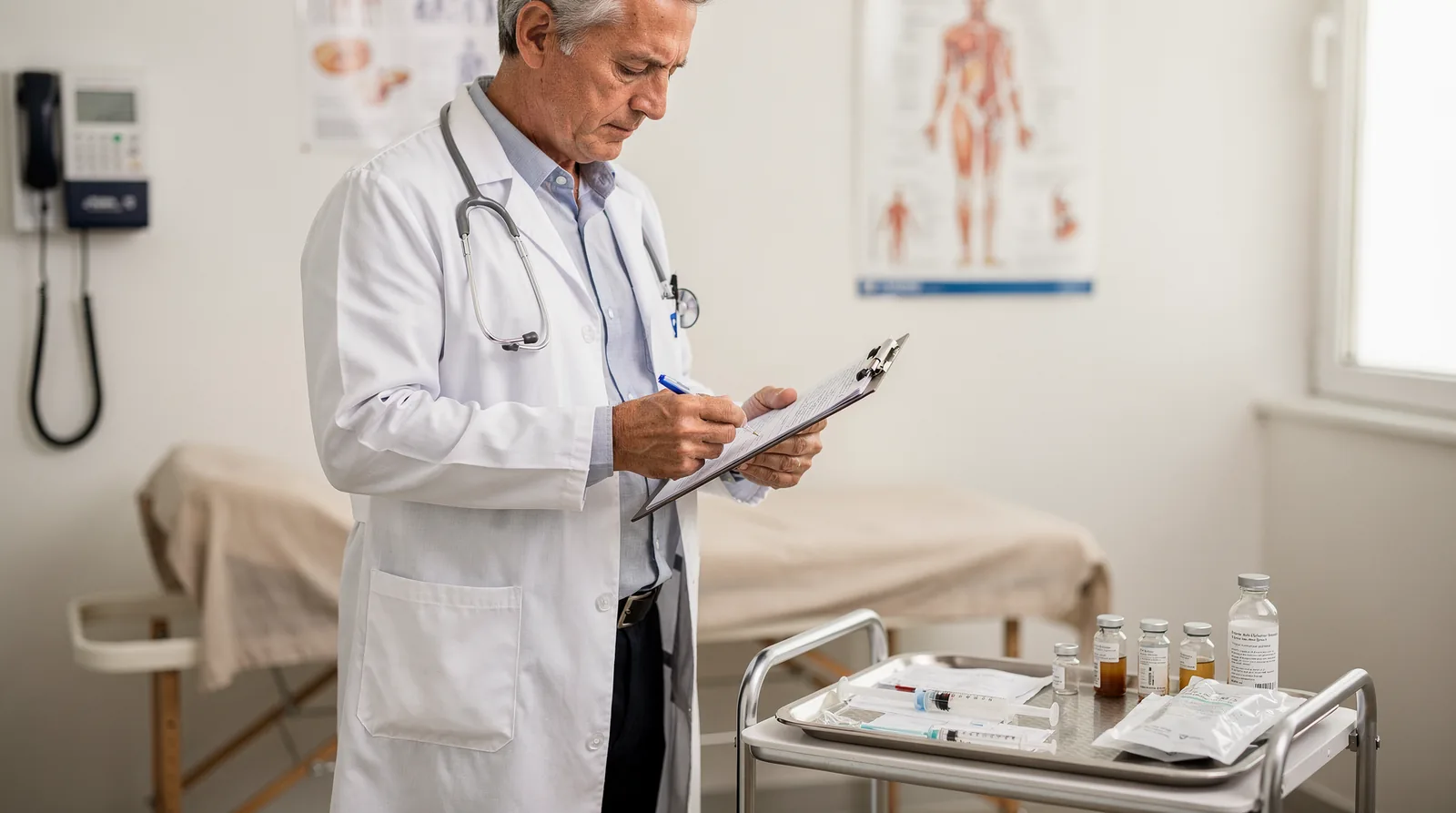
Certain health conditions rule out candidacy for non-surgical skin tightening, especially those that interfere with collagen production or wound healing. Skipping a proper medical review before treatment risks poor results, wasted sessions, and unnecessary out-of-pocket cost. Identifying specific skin types that should avoid [non-surgical skin tightening treatments](https://couturederma.com/skin-tightening-non-surgical/) starts with understanding how the technology actually works beneath the surface.
Collagen and elastin are the two proteins that keep skin firm, smooth, and resilient. Any condition that disrupts production of these proteins changes how a patient responds to energy-based treatment. This is why a thorough health history matters more than a quick online booking.
Does Skin Tightening Work for Everyone?
No. Results depend on the body’s natural collagen-rebuilding response. The treatment uses heat energy to stimulate deeper skin layers over time. Patients with impaired healing ability, whether from chronic illness, certain medications, or underlying tissue disorders, often see slower or diminished improvement. Because results build gradually, rather than appearing immediately, compromised healing capacity becomes a central factor in candidacy decisions.
Key considerations that affect eligibility include:
- Reduced or delayed wound-healing capacity
- Underlying conditions that impair natural collagen or elastin regeneration
- Skin currently compromised by infection, irritation, or unresolved inflammation
How Does Couture Dermatology Screen Candidates?
Every prospective patient undergoes an in-person evaluation before approval for treatment. Dr. Chinonso, founder of Couture Dermatology and Laser Beverly Hills, is devoted to excellent and inclusive patient care, with a stated dedication to the highest standards of practice. That commitment includes reviewing personal health history before recommending any protocol.
The Beverly Hills, CA location supports this process directly. In-person consultation allows for a hands-on medical assessment rather than a generic online questionnaire. Patients concerned about healing conditions, collagen-related disorders, or general eligibility receive individualized guidance rather than a one-size-fits-all recommendation, reflecting the practice’s broader emphasis on personalized, medically sound dermatologic care.
Do Different Devices Carry Different Risks?
Yes. Radiofrequency, ultrasound, and laser devices each reach different depths within the skin, and that depth determines both the treatment’s effectiveness and its risk profile. Non-surgical skin tightening treatments are not a single category of technology. Each energy type behaves differently once it meets living tissue, which matters greatly for anyone comparing options before a consultation.
Radiofrequency devices heat the deeper dermis to encourage collagen remodeling, while ultrasound energy can target even deeper structural layers. Laser-based options work closer to the skin’s surface, often addressing texture alongside firmness. Thread lifts, IPL, and laser resurfacing round out the field, each stimulating collagen through a slightly different mechanism.
Which device is gentlest for sensitive or reactive skin?
Laser resurfacing and IPL tend to involve more visible downtime than radiofrequency or ultrasound approaches. They work at the surface layer where irritation shows up first. Clients with sensitive or reactive skin generally tolerate radiofrequency and ultrasound better, though tolerance still depends on individual skin condition and treatment intensity.
Do all devices require the same recovery time?
No. Most options across this category — ultrasound, radiofrequency, IPL, laser resurfacing, and thread lifts — involve little to no downtime for mild to moderately loose skin. Recovery still varies by device intensity and treated area, so comparing options individually matters.
Because device selection carries real consequences for both safety and results, Dr. Chinonso developed Couture Elevator Tone and Tighten, a signature combination treatment built around matching the right energy modality to each client’s skin. That layered approach reflects the core pillars of aging well rather than a one-size-fits-all device choice.
How Should You Prepare For Consultation?
Preparation starts with an honest conversation about skin history, medications, and aesthetic goals. Couture Dermatology & Laser Beverly Hills builds each consultation around the belief that beauty and confidence cannot be separated from one another, which shapes candid discussions about whether certain skin types or conditions should be excluded from non-surgical skin tightening treatments. That honesty matters more than a rushed sales pitch.
Bringing a full medication list and a summary of prior skin procedures helps the evaluation move faster. Screening protocols at the practice reflect Dr. Chinonso’s fellowship training at Harvard Medical School and Massachusetts General Hospital. She designed research studies while treating a wide range of skin types and conditions. That background informs how candidates are matched to energy-based devices safely.
What questions get asked during the consultation?
Expect questions about pregnancy status, autoimmune conditions, active acne, and recent sun exposure. Providers also ask about pacemakers or implanted metal, since radiofrequency and ultrasound energy interact with certain devices.
How soon will results show after treatment?
Patience matters here. Final tightening results can take up to three months to fully appear. Consultations include timeline planning rather than promises of instant change. Setting that expectation early prevents disappointment later.
- Compile current medications and supplements
- Note any history of keloid scarring or skin disorders
- Bring photos of areas of concern under natural light
FAQ
Who should avoid non-surgical skin tightening?
Individuals with active skin infections, uncontrolled autoimmune conditions, implanted pacemakers, or pregnancy generally fall outside candidacy for non-surgical skin tightening treatments. Those with severe skin laxity also tend to see better results from surgical alternatives rather than energy-based devices alone.
What medical conditions rule out treatment?
Any condition that interferes with collagen production or wound healing can affect candidacy, including chronic illness, certain medications, and tissue disorders that slow healing. A thorough health history during consultation helps identify these factors before treatment begins.
Are non-surgical skin tightening treatments safe for all skin types, including darker skin tones?
Candidacy depends on individual skin condition and health history rather than skin tone alone. A qualified provider evaluates each patient’s unique skin profile in person, which is why Couture Dermatology & Laser Beverly Hills builds every treatment plan around an individualized assessment rather than a generic checklist.
How soon will I see results after treatment?
Results build gradually as the body’s natural collagen-rebuilding process responds to the treatment’s heat energy, with final results typically taking up to three months to fully appear.
What happens during a candidacy evaluation?
A qualified provider examines skin laxity, tone, and underlying health factors, including medications and prior procedures, before recommending a device. At Couture Dermatology & Laser, Dr. Karen “Chinonso” Kagha Abisogun personally assesses eligibility for each patient.
Conclusion
In closing, individuals with active skin infections, severe medical conditions, certain medications, or unrealistic expectations should avoid non-surgical skin tightening procedures. Pregnant patients and those with implanted medical devices require particular caution. A comprehensive consultation with a qualified dermatologist remains essential to assess candidacy and establish appropriate treatment plans. At Couture Dermatology in Beverly Hills, our medical professionals evaluate each patient’s unique circumstances to ensure safe, effective outcomes aligned with individual health profiles and aesthetic goals.