
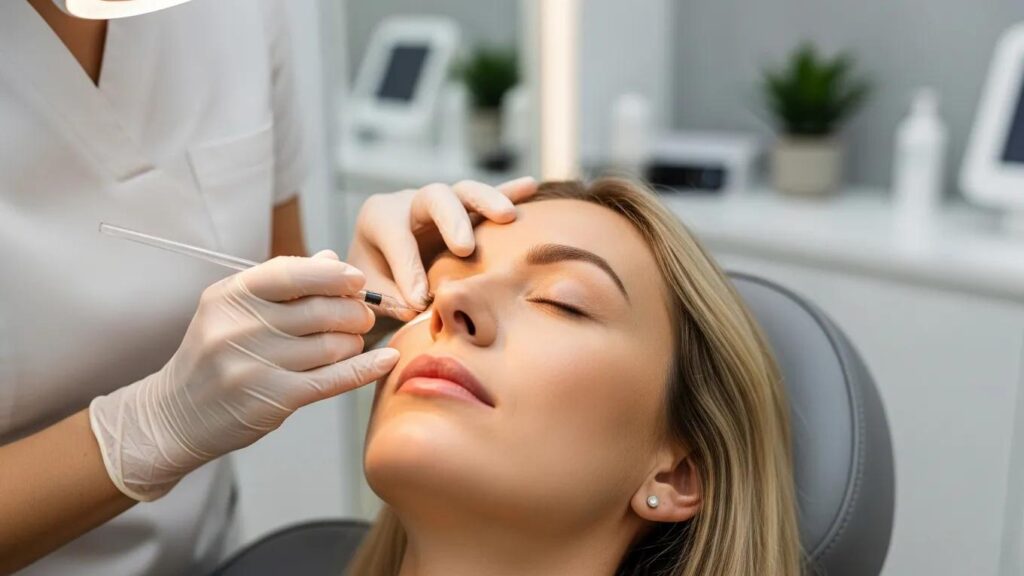
Understanding the Side Effects of Under Eye Rejuvenation Treatments: Essential Information on Risks, Recovery, and Patient Care

By Tunde Abisogun, Cosmetic & Medical Dermatology in Beverly Hills | Couture Dermatology
Under-eye rejuvenation procedures, including injectable fillers and laser skin resurfacing, are frequently employed to improve periocular aesthetics and patient self-perception. Prospective patients must have a clear understanding of the potential adverse effects and procedural risks prior to treatment. This article provides a structured review of common interventions, their mechanisms of action, expected adverse events, and evidence-based recommendations for perioperative care to support informed consent and safe outcomes.
Side Effects and Risks
Periocular rejuvenation carries a spectrum of adverse events. Minor, self-limited effects such as localized edema and ecchymosis are common and typically resolve within days. More significant complications—including infection and iatrogenic nerve injury—are less frequent but may produce prolonged morbidity when they occur. A comprehensive understanding of these possible outcomes is necessary to evaluate the risk–benefit profile of each treatment option.
Patients should seek assessment from a credentialed practitioner who can explain procedural risks and mitigation strategies. Couture Dermatology and Laser Beverly Hills underscores the necessity of clinician expertise and patient education. For a detailed catalog of services and indications, consult aesthetic services.
Recovery Process

Post-procedure recovery varies by modality. Many patients observe immediate aesthetic improvement, while maximal results often emerge after acute post-treatment swelling abates. Typical convalescence ranges from several days to one week for minimally invasive procedures; adherence to prescribed aftercare and scheduled follow-up evaluations is essential to monitor healing and to address complications promptly.
Patient Care Considerations

Pre-procedure assessment must include a detailed medical history, medication review, and discussion of realistic outcomes. Post-procedure instructions should specify wound care, signs of adverse events, and criteria for urgent evaluation. Full disclosure of relevant medical conditions and prior therapies to the treating clinician reduces procedural risk and facilitates individualized care planning.
What Are the Common Types of Under Eye Rejuvenation Treatments?
There are several common types of under-eye rejuvenation treatments available today, each with its unique benefits and mechanisms. These include:
- Tear Trough Fillers: These are injectable treatments that use hyaluronic acid to fill in hollows under the eyes, providing a more youthful appearance.
- Laser Brightening: This treatment utilizes laser technology to improve skin texture and reduce pigmentation, enhancing the overall look of the under-eye area.
- PRP Injections: Platelet-rich plasma (PRP) injections harness the body’s healing properties to rejuvenate the skin, promoting collagen production and improving skin quality.
Familiarity with these modalities enables patients to participate in shared decision-making with their provider and select the intervention that best aligns with their clinical presentation and goals.
How Do Dermal Fillers Work for Under Eye Rejuvenation?
Dermal fillers restore volume in the infraorbital region, reducing the visual prominence of hollows and periorbital shadowing. Hyaluronic acid is a common filler substrate; it is biocompatible and attracts water to support tissue turgor. When placed appropriately, fillers can immediately improve contour and texture. Discuss specific injectable options and expected durability with your clinician; see non-surgical facelift information for further details.
What Is Laser Skin Resurfacing and Its Role in Under Eye Treatment?
Laser skin resurfacing employs controlled photothermal energy to ablate damaged epidermal and superficial dermal layers, thereby stimulating collagen remodeling and epidermal regeneration. This approach is indicated for fine rhytides, textural irregularities, and localized dyschromia around the eyes. Clinical improvement accrues as the tissue undergoes repair and remodeling; treatment parameters should be tailored to skin type and clinical objectives. Refer to skin resurfacing resources for procedural specifics.
What Are the Typical Side Effects and Risks of Under Eye Dermal Fillers?
While dermal fillers are generally safe, they can come with side effects and risks. Common side effects include:
- Swelling and Bruising: These are the most frequent reactions and typically resolve within a few days.
- Redness and Tenderness: Some patients may experience localized redness and tenderness at the injection site.
- Long-term Effects: In rare cases, patients may experience lumps or irregularities in the treated area.
Patients should receive pre-procedure counselling that describes these expected sequelae and outlines management strategies should they occur.
Complications Associated with Periocular Fillers: Prevention and Management
ABSTRACT: Soft tissue fillers constitute a principal modality in contemporary minimally invasive facial rejuvenation owing to prompt aesthetic effect and abbreviated recovery. Although overall complication rates are low, fillers carry inherent risks ranging from superficial contour irregularities and granuloma formation to vascular occlusion, which can progress to skin necrosis or, in extreme cases, visual loss. Fillers differ in composition, viscoelastic properties, hydrophilicity, and duration; product selection must align with the intended anatomical indication to reduce adverse outcomes. Severe adverse events are largely preventable through rigorous injection technique, immediate recognition of adverse signs, and detailed anatomical knowledge of the periocular region. This review details complications clinicians must recognize and provides prevention and management strategies. Keywords: Fillers, hyaluronic acid, rejuvenation, periorbital, aesthetic, skin necrosis, complications.
Complications after cosmetic periocular filler: prevention and management, M Zein, 2020
Which Side Effects Are Most Common After Tear Trough Filler Procedures?
After tear trough filler procedures, patients may encounter specific side effects, including:
- Mild Swelling and Bruising: These effects are common and usually subside within a week.
- Vascular Complications: Rarely, fillers can inadvertently enter a blood vessel, leading to more serious complications.
- Infection Risks: As with any injection, there is a risk of infection, which underscores the importance of choosing a qualified provider.
Awareness of these procedure-specific risks supports timely recognition and intervention; promptly report atypical symptoms to your treating clinician.
Delayed Complications of Tear Trough Fillers: A Systematic Review
Tear trough deformities are a common indication for dermal filler injection. Although immediate side effects are generally mild and transient, delayed complications can occur. A systematic review conducted in June 2021, following PRISMA methodology, identified 28 articles describing 52 individual cases. Of these patients, 98% (51/52) were female with a mean age of 48.3 years. Hyaluronic acid products accounted for 71.2% (37/52) of reported cases, followed by PLLA at 7.7% (4/52) and CaHA at 7.7% (4/52). The most frequent delayed complication was swelling (42.3%, 22/52), followed by lumps or nodules (25.0%, 13/52). Additional events included xanthelasma-like reactions (17.3%, 9/52), migration (7.7%, 4/52), and discoloration (3%, 3/52). Mean time to onset for complications was 16.8 months; xanthelasma-like reactions presented earliest (mean 10 months) and discoloration latest (mean 52 months). The majority of swelling cases were associated with hyaluronic acid products. Semi-permanent agents such as PMMA and certain synthetic fillers (e.g., PLLA) demonstrated a higher incidence of nodules. Clinicians performing tear trough augmentation should remain vigilant for these delayed sequelae.
Delayed complications following dermal filler for tear trough augmentation: a systematic review, LN Trinh, 2022
What Are the Potential Complications and How Serious Can They Be?
Potential complications range from transient, low-severity events to serious adverse outcomes. Examples include marked edema or bruising that may indicate an adverse inflammatory response, infectious processes requiring urgent treatment, and rare instances of nerve injury that can result in prolonged functional impairment. Patients must understand the probability and clinical significance of these outcomes prior to consenting to treatment.
What Are the Risks and Side Effects Associated with Under Eye Laser Treatments?
Under-eye laser interventions have modality-specific adverse events. Common sequelae include short-term swelling and bruising, procedure-related discomfort manageable with topical anaesthesia, and the risk of post-inflammatory hyperpigmentation—particularly in patients with higher Fitzpatrick skin phototypes. Pre-treatment assessment and tailored device settings reduce the likelihood of pigmentary complications.
How Long Is the Recovery Time After Under Eye Rejuvenation Treatments?
Recovery intervals are procedure-dependent. For injectable therapies, most patients resume routine activities within several days. Individual healing kinetics, treatment extent, and adherence to post-procedure instructions influence overall recovery. Patients should plan activities and follow the clinician’s guidance to support optimal convalescence.
What Is the Typical Healing Timeline for Dermal Fillers Under the Eyes?
Healing after infraorbital filler placement typically involves brief downtime. Most patients experience resolution of swelling and ecchymosis within approximately one week. Individual variables—such as age, skin quality, and systemic health—affect recovery. Clinicians generally advise that final aesthetic assessment be performed at two weeks when filler settling is complete.
How Does Recovery Differ Following Laser Skin Resurfacing?
Recovery after laser resurfacing is distinct from that following injectable procedures. Ablative and fractional laser modalities may necessitate an extended healing interval, commonly one to two weeks, during which strict photoprotection and gentle skincare are required. Clinical improvements in texture and tone evolve as re-epithelialization and dermal remodeling progress.
How Can Patients Manage and Reduce Side Effects After Under Eye Treatments?
Patients may employ several evidence-based measures to mitigate common post-procedure effects:
- Cold Compress Application: Brief, controlled cold application reduces acute edema and ecchymosis.
- Head Elevation: Maintaining head elevation during initial recovery limits periorbital swelling.
- Avoiding Strenuous Activity: Refraining from vigorous exercise for several days decreases the risk of exacerbating inflammation.
Adoption of these measures, in accordance with clinician instructions, can facilitate healing and improve clinical results.
What Are Effective Aftercare Practices to Minimize Swelling and Bruising?
Effective aftercare includes targeted cold therapy to the treated region, maintenance of adequate systemic hydration to support tissue repair, and avoidance of heat exposure—such as hot showers, saunas, and direct sun—during the acute recovery period. These measures reduce inflammation and support predictable healing.
When Should Patients Seek Medical Attention for Side Effects?
Patients must obtain prompt clinical assessment for any of the following: persistent or worsening swelling or bruising beyond the expected timeframe, severe pain unresponsive to analgesia, or signs suggestive of infection (progressive erythema, localized warmth, purulent discharge). Early evaluation enables timely management and reduces the risk of irreversible sequelae.
What Do Patient Experiences and Expert Insights Reveal About Under Eye Rejuvenation Safety?
Aggregate patient reports and specialist opinion indicate favorable satisfaction when procedures are performed by experienced clinicians using appropriate techniques. Expert guidance emphasizes individualized treatment planning and risk stratification to optimize safety and functional aesthetic outcomes.
How Do Patient Testimonials Inform Expectations on Side Effects and Recovery?
Patient testimonials can clarify typical recovery trajectories and illuminate variable subjective experiences. They are most useful when interpreted alongside objective clinical information and when they reinforce realistic expectations and adherence to prescribed aftercare.
What Do Dermatology Experts Advise Regarding Treatment Risks and Compliance?
Dermatology specialists advise that patients engage in candid discussions regarding procedural risks and follow established compliance and aftercare protocols. Open communication with the treating provider supports safer care delivery and improved satisfaction. For institutional information, visit Couture Dermatology and Laser.
| Side Effect | Severity | Duration |
|---|---|---|
| Mild Swelling | Low | 3-7 days |
| Bruising | Low | 3-10 days |
| Infection Risk | High | Varies |
The table presents a concise summary of common adverse outcomes, their relative severity, and typical duration. This information should be incorporated into pre-procedure counselling and patient planning.
Frequently Asked Questions
What Should I Look for When Choosing a Provider for Under Eye Treatments?
When selecting a provider, prioritise board certification, demonstrated experience in periocular procedures, and a documented portfolio of outcomes. Ensure the clinician conducts a formal consultation that includes medical history review, risk disclosure, and treatment alternatives. Patient testimonials and objective before-and-after documentation can assist in assessing clinical competence. Seek a second opinion if recommendations are unclear or if any aspect of care raises concern.
How Can I Prepare for My Under Eye Rejuvenation Treatment?
Preparation includes a comprehensive consultation to review goals and medical status. Patients should discontinue anticoagulant or antiplatelet agents only under clinician guidance and avoid alcohol and supplemental omega-3 fatty acids for approximately one week prior to injection to reduce bleeding risk. Arrange for post-procedure support if needed, and clarify all procedural and aftercare instructions in advance.
What Are the Long-Term Effects of Under Eye Rejuvenation Treatments?
Long-term outcomes vary by modality. Hyaluronic acid fillers generally persist for six months to two years depending on product characteristics and patient metabolism. Laser therapies can yield durable improvements in skin texture and pigmentation but may require maintenance sessions. Ongoing follow-up with the treating clinician is advised to monitor results and to plan any necessary touch-up interventions.
Are There Any Alternatives to Under Eye Rejuvenation Treatments?
Alternative, less invasive options include topical retinoids and hyaluronic acid–based moisturisers to improve epidermal texture and hydration. Superficial chemical peels and microdermabrasion may enhance complexion by promoting exfoliation and cell turnover. Lifestyle modifications—adequate sleep, hydration, and nutritional optimisation—contribute to periocular skin health. A clinical assessment will determine the most appropriate non-invasive or procedural pathway.
What Should I Expect During the Consultation for Under Eye Treatments?
The consultation will involve a focused clinical assessment of the periocular region, review of medical history and contraindications, and a discussion of viable treatment options with expected benefits and risks. The provider should outline the procedure, recovery expectations, and follow-up schedule. Use this opportunity to request clarification on any aspect of care.
How Can I Ensure the Best Results After My Treatment?
Adhere strictly to post-procedure instructions provided by your clinician, including use of cold compresses where indicated, activity restrictions, and hydration. Attend all scheduled follow-up visits for clinical assessment. Protect the treated area from sun exposure and use gentle skincare products as recommended. Sustained healthy behaviours will support longer-lasting outcomes.
Conclusion
Comprehensive awareness of the potential adverse effects, recovery expectations, and requisite aftercare for under-eye rejuvenation enables informed decision-making and supports safer outcomes. Consultation with qualified professionals and adherence to their clinical guidance are fundamental to minimising risk and optimising patient satisfaction. Review available resources and engage your provider to determine the most appropriate, individualized treatment plan.