Best Acne Scar Treatment Options for Fast Healing in Beverly Hills: Expert Dermatologist Solutions
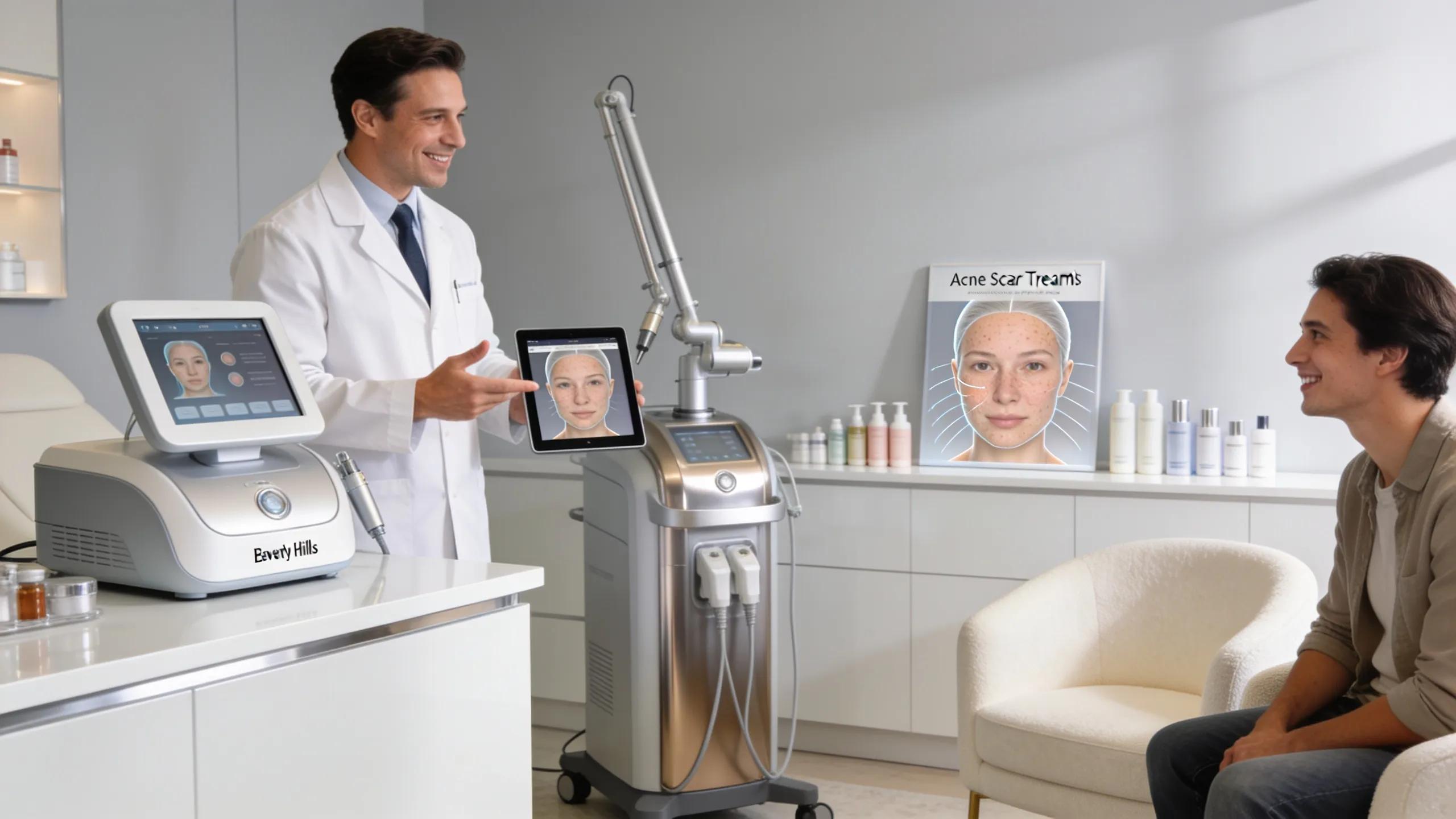
Acne scarring can substantially affect self-image and facial appearance, making effective treatment clinically important. In Beverly Hills, clinicians offer a range of advanced interventions designed to accelerate healing and improve skin topography. This article reviews evidence-based options, including laser therapies and microneedling, and outlines how individualized skincare regimens support recovery. It describes mechanisms of action, anticipated outcomes, and pathways to specialist care at Couture Dermatology and Laser Beverly Hills, enabling patients to make informed decisions regarding scar revision.
What Are the Most Effective Laser Treatments for Acne Scar Removal?
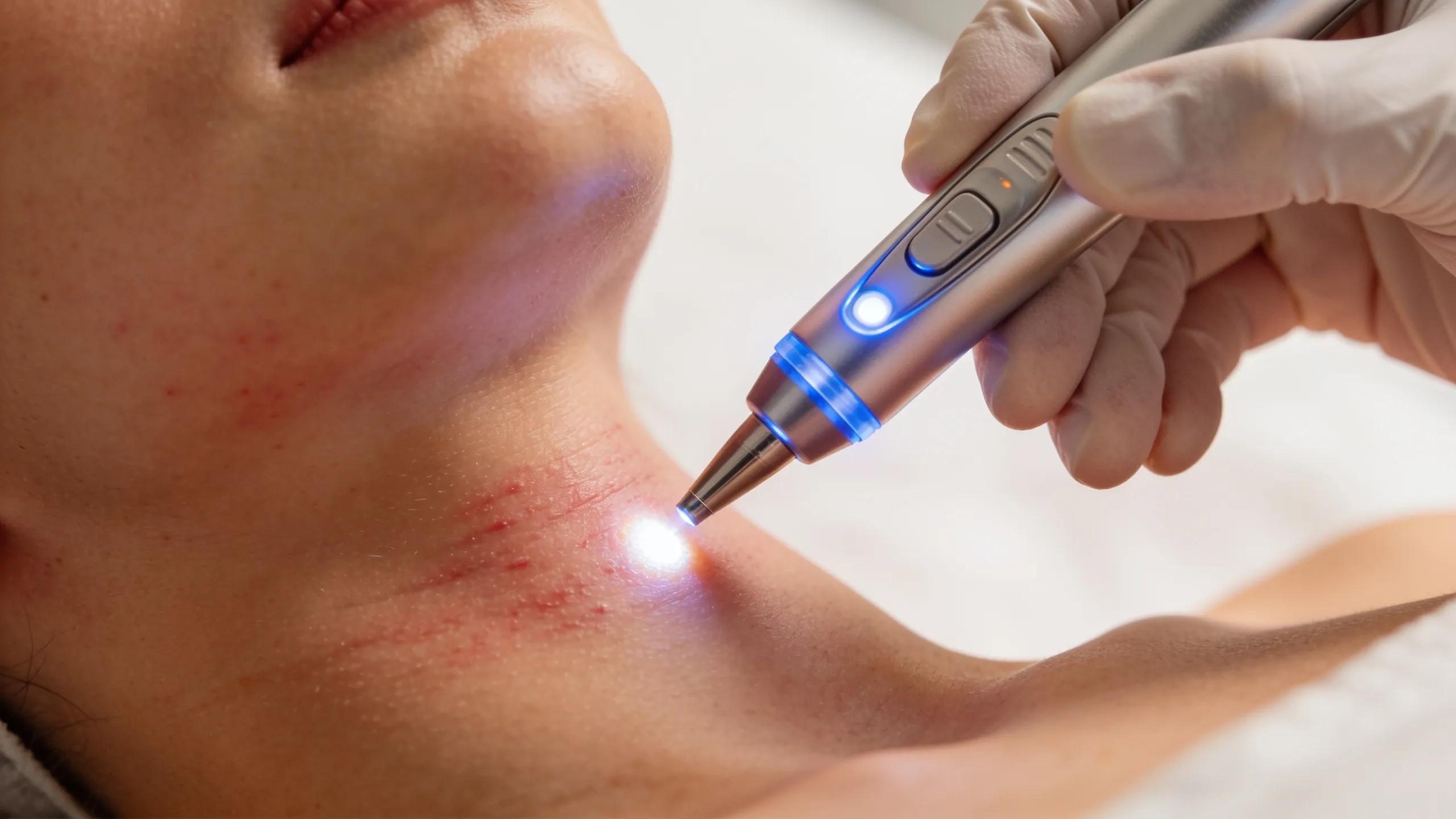
Laser modalities represent a cornerstone of acne scar management, employing targeted energy to remodel scarred tissue and stimulate neocollagenesis. Treatments such as fractional resurfacing deliver controlled dermal injury to promote regeneration and improve surface irregularities. Selection of a specific laser depends on scar morphology and skin type; for comprehensive protocols, review skin resurfacing treatments that outline device-specific indications and expected outcomes.
Treatment Type | Expected Outcomes | Recovery Time
| Treatment Type | Expected Outcomes | Recovery Time |
|---|---|---|
| Fractional Laser Resurfacing | Significant reduction in scar visibility | 5-7 days |
| CO2 Laser | Deep skin rejuvenation and texture improvement | 1-2 weeks |
| Erbium Laser | Less aggressive, suitable for lighter scars | 3-5 days |
These laser procedures can yield substantial clinical improvement; treatment choice should be individualised based on epidermal and dermal characteristics and scar severity.
How Does Laser Skin Resurfacing Improve Acne Scar Texture?
Laser resurfacing removes damaged epidermal layers and induces controlled injury to the dermis, which initiates collagen and elastin synthesis. The resultant remodelling reduces contour irregularities and refines skin texture. Typical post-procedure effects include transient erythema and oedema that generally diminish within a week, depending on the device and parameters used.
What Are the Healing Timelines and Expected Outcomes of Laser Treatments?
Post-procedure recovery varies with the specific laser and individual healing response. Initial erythema and swelling commonly persist for several days, followed by desquamation as re-epithelialisation occurs. Collagen remodelling continues over subsequent weeks and months, with progressive improvement in scar appearance.
- Fractional Laser Resurfacing: Healing typically occurs within 5-7 days, with optimal results visible after 3-6 months.
- CO2 Laser: Recovery can take 1-2 weeks, with significant improvements seen after 3-6 months.
- Erbium Laser: Patients usually heal within 3-5 days, with results becoming apparent in 1-3 months.
Clear understanding of these timelines allows patients to set evidence-based expectations for recovery and final outcome.
How Does Microneedling Accelerate Fast Healing of Acne Scars?
Microneedling is a minimally invasive modality that creates controlled micro-injuries to activate the skin’s repair cascade. This process enhances collagen and elastin deposition and improves dermal matrix organisation, resulting in reduced scar depth and improved surface regularity. For patients considering comprehensive aesthetic programmes, exploring aesthetic services provides additional adjunctive options.
What Is the Process and Benefits of Microneedling for Scar Revision?
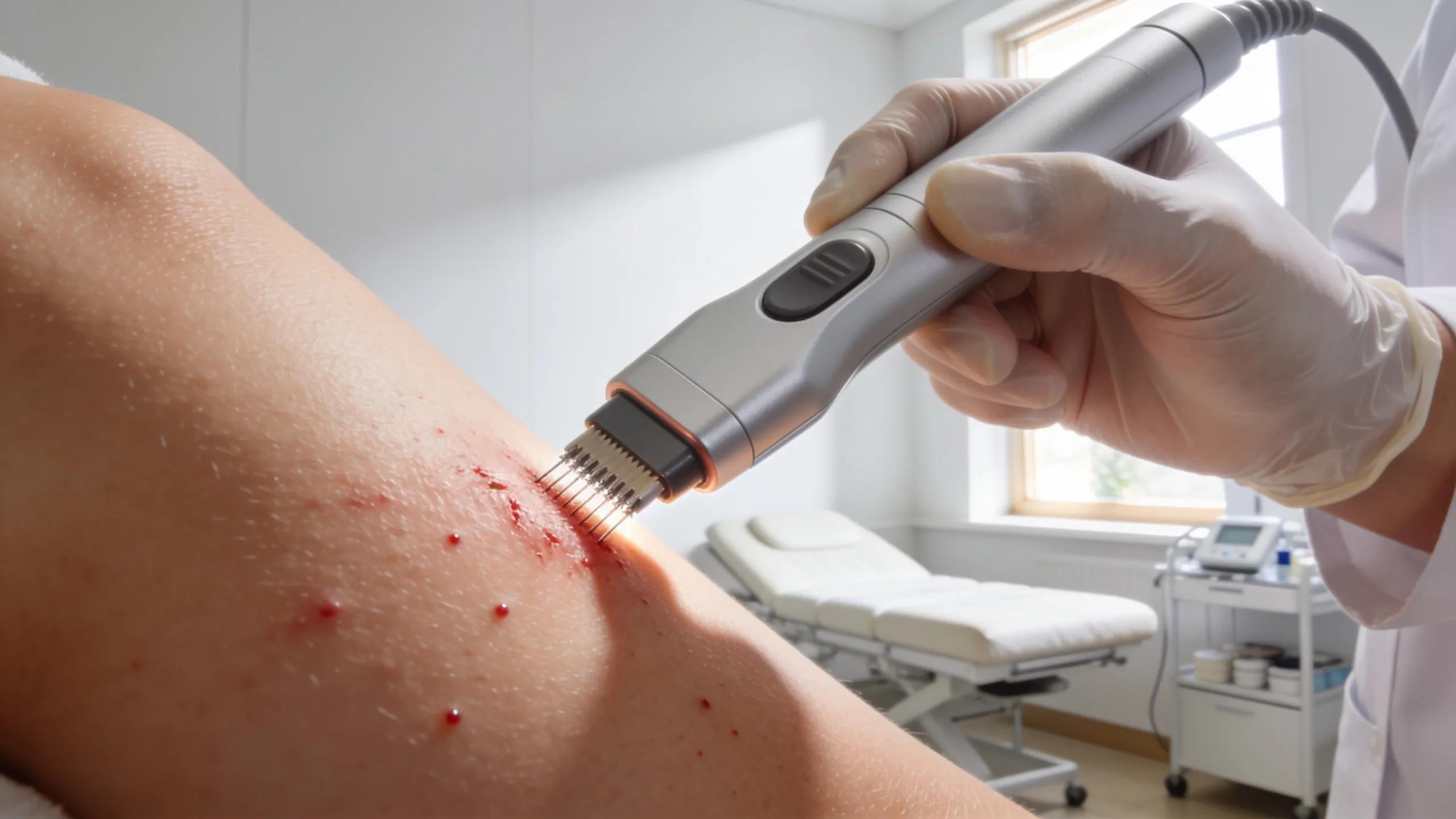
The microneedling protocol begins with a comprehensive dermatological assessment. A topical anaesthetic is applied to reduce procedural discomfort. The device then creates precise microchannels to stimulate the wound-healing response and promote extracellular matrix remodelling.
Benefits of microneedling include:
- Enhanced Collagen Production: Promotes skin elasticity and firmness.
- Improved Skin Texture: Reduces the appearance of scars and fine lines.
- Minimal Downtime: Most patients experience only mild redness for a few days.
Clinical improvement in texture is often observable within several weeks, with maximal results developing over multiple months as collagen matures.
Can Combination Therapies Enhance Acne Scar Healing?
Combination regimens can enhance therapeutic effect by addressing multiple pathogenic layers of scarring. Integrating complementary modalities—such as ablative or non-ablative lasers with microneedling—allows clinicians to treat both superficial and deeper scar components within a coordinated plan.
Benefits of Combination Therapies
- Synergistic Effects: Different treatments can work together to improve overall outcomes.
- Tailored Approaches: Dermatologists can customize treatment plans based on individual needs and scar types.
- Faster Results: Patients may experience quicker improvements in skin texture and scar visibility.
A tailored, multi-modality approach can deliver more comprehensive and durable improvements in scar appearance.
What Personalized Skincare Plans Support Rapid Acne Scar Healing?
Individualised skincare regimens are integral to optimising post-procedure healing and long-term outcomes. Plans are formulated based on skin phenotype, scar characteristics, and therapeutic targets to support tissue repair and minimise complications.
Components of Personalized Skincare Plans
- Customized Cleansing Regimens: Gentle cleansers that suit individual skin types.
- Targeted Treatments: Use of serums and creams that contain active ingredients like retinoids and hyaluronic acid to promote healing.
- Sun Protection: Daily use of broad-spectrum sunscreen to protect healing skin from UV damage.
Adherence to a personalised regimen enhances procedural efficacy and supports predictable recovery trajectories.
How Are Skincare Regimens Tailored to Individual Skin Types and Scar Severity?
Regimens are prescribed following a structured assessment of skin type, active dermatological conditions, and scar morphology. Clinicians evaluate sebaceous activity, sensitivity, and any ongoing inflammatory acne prior to selecting appropriate products and treatments.
Assessment Process
- Skin Type Evaluation: Identifying whether the skin is oily, dry, combination, or sensitive.
- Scar Severity Analysis: Determining the depth and type of scars present.
- Lifestyle Considerations: Taking into account daily routines and environmental factors that may affect skin health.
This methodical approach ensures patients receive evidence-based products and interventions tailored to their specific dermatological needs.
What Are the Available Non-Surgical Acne Scar Removal Options in Beverly Hills?
Non-surgical modalities for acne scar management in Beverly Hills encompass chemical exfoliation, topical pharmacotherapies, and non-ablative laser procedures. These options aim to improve texture and pigmentation without surgical excision.
Types of Non-Surgical Treatments
- Chemical Peels: These treatments use acids to exfoliate the skin, promoting new skin growth and reducing scar visibility.
- Topical Treatments: Products containing ingredients like retinoids and vitamin C can help improve skin texture and tone.
- Laser Treatments: Non-invasive laser options can also be effective for treating acne scars.
These non-surgical interventions provide a spectrum of therapeutic choices to match patient goals and clinical indications.
How Do Chemical Peels and Topical Treatments Contribute to Scar Improvement?
Chemical peels facilitate removal of the stratum corneum and superficial epidermis to promote regeneration, while topical agents support cellular turnover, collagen synthesis, and pigment modulation. Together, they can improve surface irregularities and tone.
Benefits of Chemical Peels and Topical Treatments
- Exfoliation: Chemical peels remove dead skin cells, promoting cell turnover.
- Skin Brightening: Topical treatments can help even out skin tone and reduce discoloration.
- Hydration: Many topical products provide essential moisture, aiding in the healing process.
When combined appropriately with procedural therapies, peels and topical regimens can augment clinical outcomes.
What Are the Advantages and Limitations Compared to Laser and Microneedling?
Understanding the relative benefits and constraints of each modality is essential for informed consent. Non-surgical options typically involve reduced recovery time and lower cost, but may yield less dramatic correction than more aggressive laser or microneedling protocols.
Advantages of Non-Surgical Treatments
- Less Downtime: Non-surgical options typically require less recovery time compared to laser treatments.
- Lower Cost: Many non-surgical treatments are more affordable than advanced laser therapies.
- Accessibility: Non-surgical options are often more widely available and can be performed in various settings.
Limitations of Non-Surgical Treatments
- Less Dramatic Results: Non-surgical treatments may not provide the same level of improvement as laser therapies.
- Multiple Sessions Required: Patients may need several treatments to achieve desired results.
Balancing expectations regarding efficacy, downtime and cost enables clinicians and patients to select the most appropriate plan.
What Do Patient Testimonials and Clinical Studies Reveal About Treatment Efficacy?
Patient reports and peer-reviewed studies collectively indicate meaningful improvements in scar appearance following appropriately selected interventions. Outcome measures commonly cited include patient satisfaction, objective texture scores, and duration of benefit with adequate maintenance.
Insights from Clinical Studies
- High Satisfaction Rates: Studies show that patients who undergo laser treatments often report high satisfaction rates due to visible improvements.
- Long-Lasting Results: Many treatments, particularly laser therapies, offer long-lasting results with proper aftercare.
- Safety Profiles: Clinical studies consistently demonstrate the safety of these treatments when performed by qualified professionals.
These data support seeking treatment from qualified dermatology specialists to ensure appropriate patient selection and safe delivery of care.
How Can Patients Schedule Consultations for Acne Scar Revision in Beverly Hills?
Scheduling a consultation is straightforward. Patients should contact clinics to arrange an assessment and treatment planning discussion.
Contact Methods
- Phone: Patients can call (310) 444-0946 to schedule an appointment.
- In-Person Visits: Visiting the clinic at 9735 Wilshire Blvd, Suite 216, Beverly Hills, CA 90212 allows for direct consultation.
- Online Inquiries: Many clinics offer online forms for appointment requests.
Initiating contact via phone, visit, or online form enables patients to begin a structured evaluation and treatment pathway toward improved skin appearance.
What Should Patients Expect During Their Initial Dermatology Consultation?
The initial consultation comprises a focused clinical history and a detailed examination of the skin and scars. The clinician will discuss treatment indications, contraindications, and realistic outcome projections.
Key Aspects of the Consultation
- Skin Assessment: A detailed examination of the skin to identify scar types and severity.
- Treatment Discussion: An overview of potential treatment options and expected outcomes.
- Personalized Recommendations: Tailored advice based on individual skin needs and concerns.
This comprehensive evaluation ensures treatment recommendations are individualized and evidence-based.
How to Access Couture Dermatology’s Advanced Acne Scar Treatments?
Couture Dermatology and Laser Beverly Hills provides a spectrum of acne scar treatments tailored to clinical findings and patient goals. Detailed protocols for these services are available via their acne scar refinement information page at acne scar refinement services.
Treatment Options Available
- Laser Treatments: Various laser options are available to address different types of acne scars.
- Microneedling: This treatment promotes collagen production and enhances skin healing.
- Personalized Skincare Plans: Customized regimens support ongoing skin health and recovery.
Contacting Couture Dermatology allows patients to evaluate available protocols and schedule a personalised treatment plan.
Frequently Asked Questions
What is the difference between surgical and non-surgical acne scar treatments?
Surgical interventions typically involve excision, subcision, or tissue rearrangement to directly alter scar architecture and may achieve more immediate contour correction. Non-surgical modalities—such as laser therapy, microneedling, and chemical peels—are less invasive, generally require shorter recovery intervals, and often necessitate multiple sessions to reach the same degree of improvement. A dermatologist will assess clinical indications and recommend the most appropriate approach for the individual patient.
How long do results from acne scar treatments typically last?
Duration of benefit depends on the chosen modality and ongoing skin care. Laser treatments frequently provide durable improvement for months to years when combined with appropriate maintenance and photoprotection. Microneedling results develop progressively and may persist for six months or longer, contingent on individual tissue response and follow-up care. Adherence to a prescribed skincare regimen supports longevity of results.
Are there any side effects associated with acne scar treatments?
All interventions carry potential adverse effects. Common, typically transient effects include erythema, oedema, and heightened cutaneous sensitivity after laser or resurfacing procedures. Microneedling may produce minor petechiae or temporary bruising. Chemical peels can cause peeling and irritation. Most side effects resolve with standard post-procedure care; clinicians will review risk profiles specific to the selected treatment.
How can I ensure the best results from my acne scar treatment?
Optimal outcomes require strict adherence to pre- and post-procedure instructions, consistent use of recommended topical agents, avoidance of unprotected sun exposure, and attendance at scheduled follow-up visits. Maintaining adequate hydration, nutrition and sleep supports tissue repair. Regular clinical review permits timely adjustments to the treatment plan.
What is the average cost of acne scar treatments in Beverly Hills?
Costs vary by modality, treatment extent, and provider. Typical per-session ranges for non-surgical procedures such as laser therapy or microneedling are approximately $200 to $600. Multi-step or combination protocols incur higher total costs but may yield superior outcomes. Cosmetic procedures are often not covered by insurance; discuss pricing and payment options with the clinic.
Can I combine different acne scar treatments for better results?
Combining complementary treatments can enhance clinical effect by addressing distinct components of scarring. For example, pairing resurfacing lasers with microneedling targets both epidermal and dermal abnormalities. A dermatologist will design a staged, personalised plan that considers skin type, scar depth, and safety to optimise healing and outcomes.
Conclusion
Evidence-based acne scar treatments can produce meaningful improvement in appearance and patient confidence. Utilising advanced modalities such as lasers, microneedling, and bespoke skincare protocols enables progressive scar reduction and texture enhancement. Patients should arrange a consultation with qualified dermatology specialists to determine the most appropriate, individualised treatment pathway.