
Comprehensive Skincare Routines for Effective Acne Scar Healing in Beverly Hills
Acne scarring frequently persists after active disease and may adversely affect appearance and psychological wellbeing. In Beverly Hills, where dermatologic care is a priority, a clear understanding of evidence-based skincare regimens for scar remediation is essential. This article reviews therapeutic techniques, product classes, and expert recommendations to support improvement in skin texture and tone. Readers will find information on advanced dermatologic procedures, including microneedling, chemical peels, and laser therapies, and on personalised treatment options available at Couture Dermatology and Laser Beverly Hills.
Techniques:
Multiple procedural modalities are utilised to address acne scarring. Each modality operates by distinct mechanisms—such as inducing controlled dermal injury, promoting epidermal turnover, or delivering targeted thermal energy—and offers specific clinical benefits depending on scar morphology and skin type.
| Technique | Description | Expected Outcome |
|---|---|---|
| Microneedling | Involves using fine needles to create micro-injuries in the skin, promoting collagen production. | Improved skin texture and reduced scar visibility. |
| Chemical Peels | Utilizes chemical solutions to exfoliate the skin, removing damaged layers. | Smoother skin surface and diminished scars. |
| Laser Resurfacing | Employs focused laser energy to target deeper layers of skin, stimulating collagen and elastin production. | Significant reduction in scar depth and improved skin tone. |
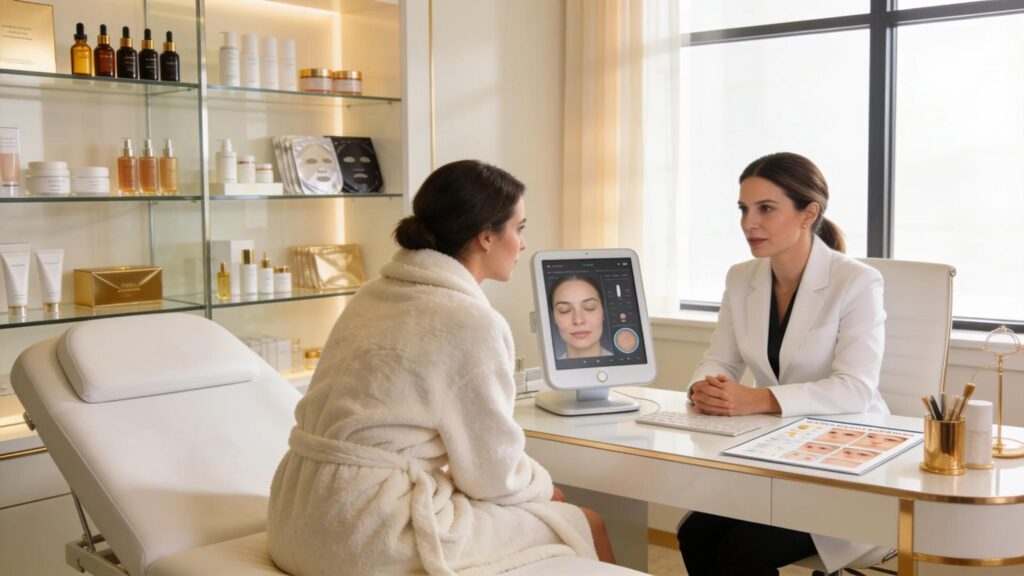
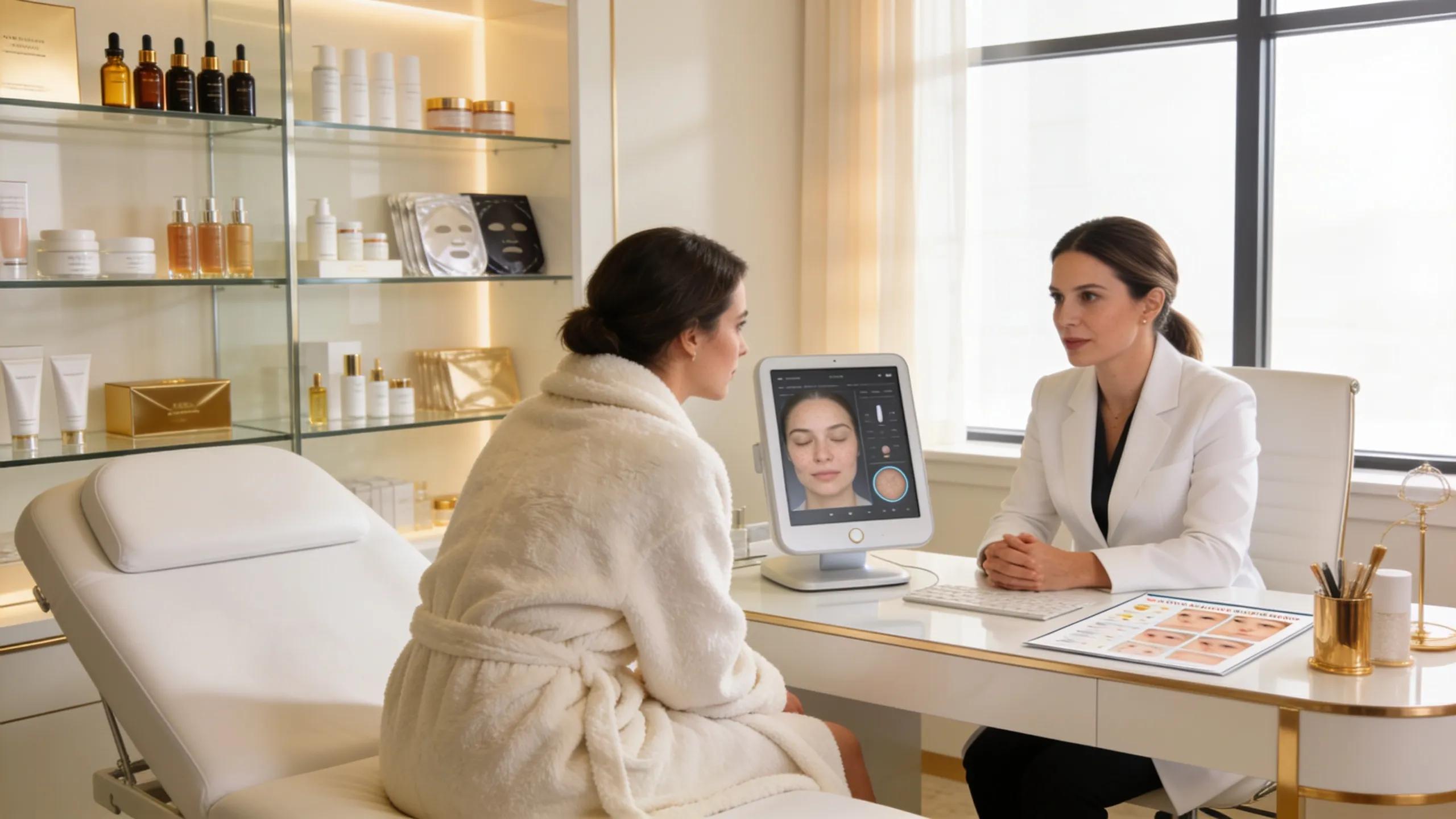
For patients considering advanced interventions, Couture Dermatology and Laser Beverly Hills provides comprehensive consultations to determine the most appropriate technique based on clinical assessment and treatment goals.
Recommended Products:
Appropriate topical and adjunctive products are integral to optimise procedural outcomes and support epidermal repair. Selection should prioritise formulations with demonstrated tolerability and efficacy in post-procedural care.
- Hydrating Serums: Look for serums containing hyaluronic acid to maintain moisture levels and support healing.
- Topical Retinoids: These products encourage cell turnover, helping to fade scars and improve skin texture.
- Sunscreen: Daily application of broad-spectrum sunscreen is essential to protect healing skin from UV damage.
Couture Dermatology also supplies clinically selected skincare regimens and medical-grade products tailored to individual skin characteristics and treatment plans.
Expert Tips:
Effective management of acne scarring requires an integrated plan that addresses both active disease and structural skin change. The following professionally endorsed measures improve the likelihood of favourable outcomes.
- Start with a Consultation: A professional assessment can help identify the best treatment plan for your specific scars.
- Control Active Acne: Addressing current acne is crucial before starting scar treatments to prevent new scars from forming.
- Follow Aftercare Instructions: Adhering to post-treatment care is vital for achieving the best results and minimizing complications.
What Are the Most Effective Acne Scar Treatments Available in Beverly Hills?
Beverly Hills practices offer a range of validated interventions for acne scarring. Commonly utilised treatments include microneedling, fractional laser resurfacing, and autologous platelet-rich plasma (PRP) therapy.
- Microneedling: This technique promotes new cell turnover and collagen production, leading to visible improvements in skin texture.
- Fractional Laser Resurfacing: Targets deeper scars and stimulates collagen, resulting in smoother skin.
- PRP Therapy: Platelet-rich plasma therapy enhances healing by using the body’s own growth factors.
Combination protocols are frequently employed to maximise efficacy; Couture Dermatology develops individualised plans that consider scar type, skin phototype, and patient expectations.
How Does Laser Treatment Improve Acne Scar Healing?
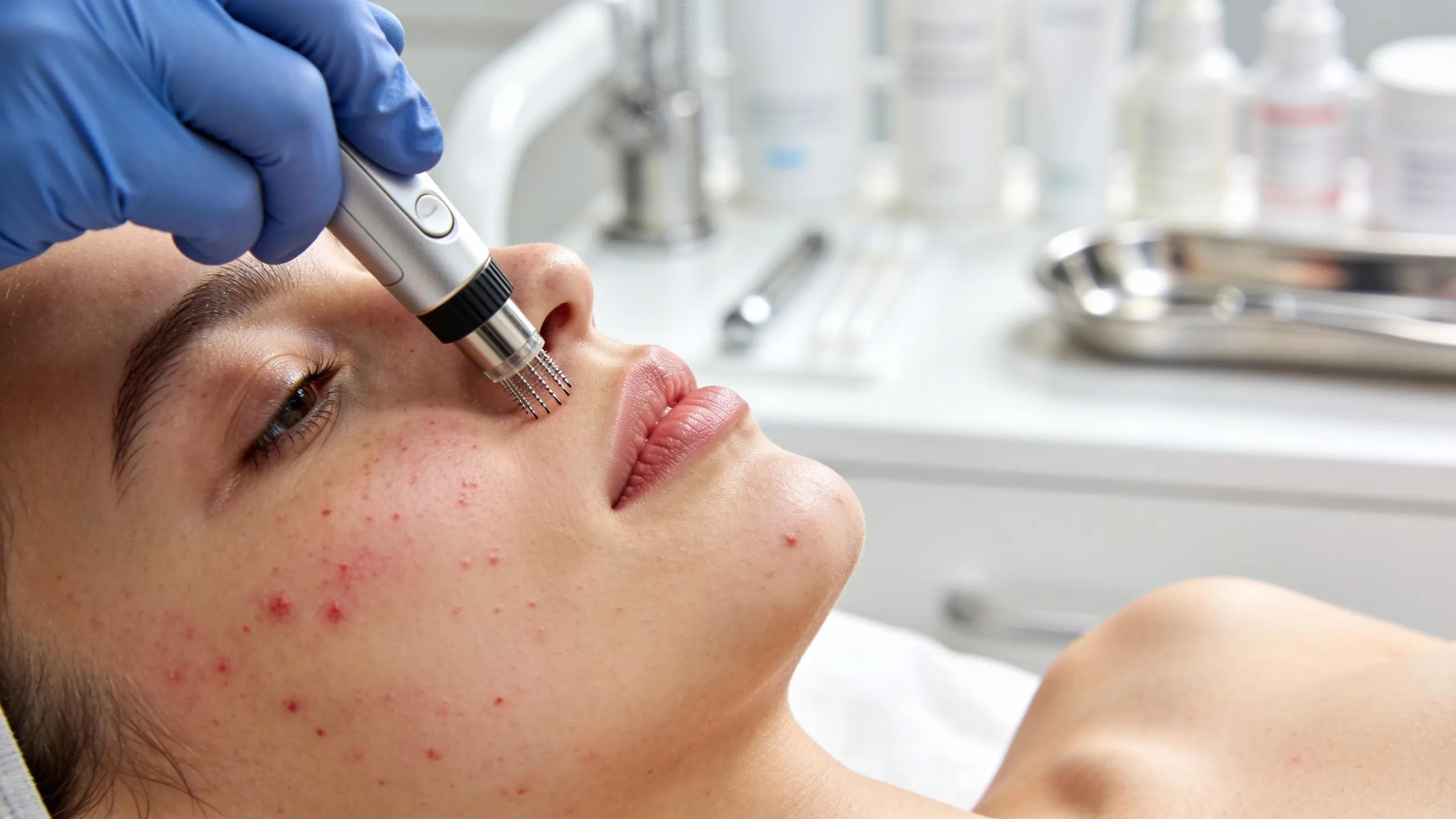
Laser modalities facilitate scar improvement by delivering controlled photothermal or fractional energy to targeted dermal layers, which stimulates neocollagenesis and matrix remodelling. Multiple treatment sessions are often required to achieve clinically meaningful change; patients should expect a treatment course tailored to scar severity and response. For advanced skin resurfacing treatments, clinicians can outline expected outcomes and session planning.
What Role Does Microneedling Play in Scar Remodeling?
Microneedling induces controlled microinjury to the dermis, which triggers a regulated wound-healing cascade and increases collagen and elastin synthesis. The procedure is minimally invasive and is associated with limited downtime for many patients, making it a widely utilised option for remodeling atrophic scars.
Microneedling for Atrophic Acne Scars: An Objective Evaluation
Percutaneous collagen induction (microneedling) has been identified as a pragmatic and effective modality for management of atrophic acne scars. Clinical reports describe it as a straightforward technique with demonstrable efficacy in improving scar architecture.Microneedling therapy for atrophic acne scars: an objective evaluation, M El-Domyati, 2015
Which Chemical Peels Are Recommended for Acne Scar Reduction?
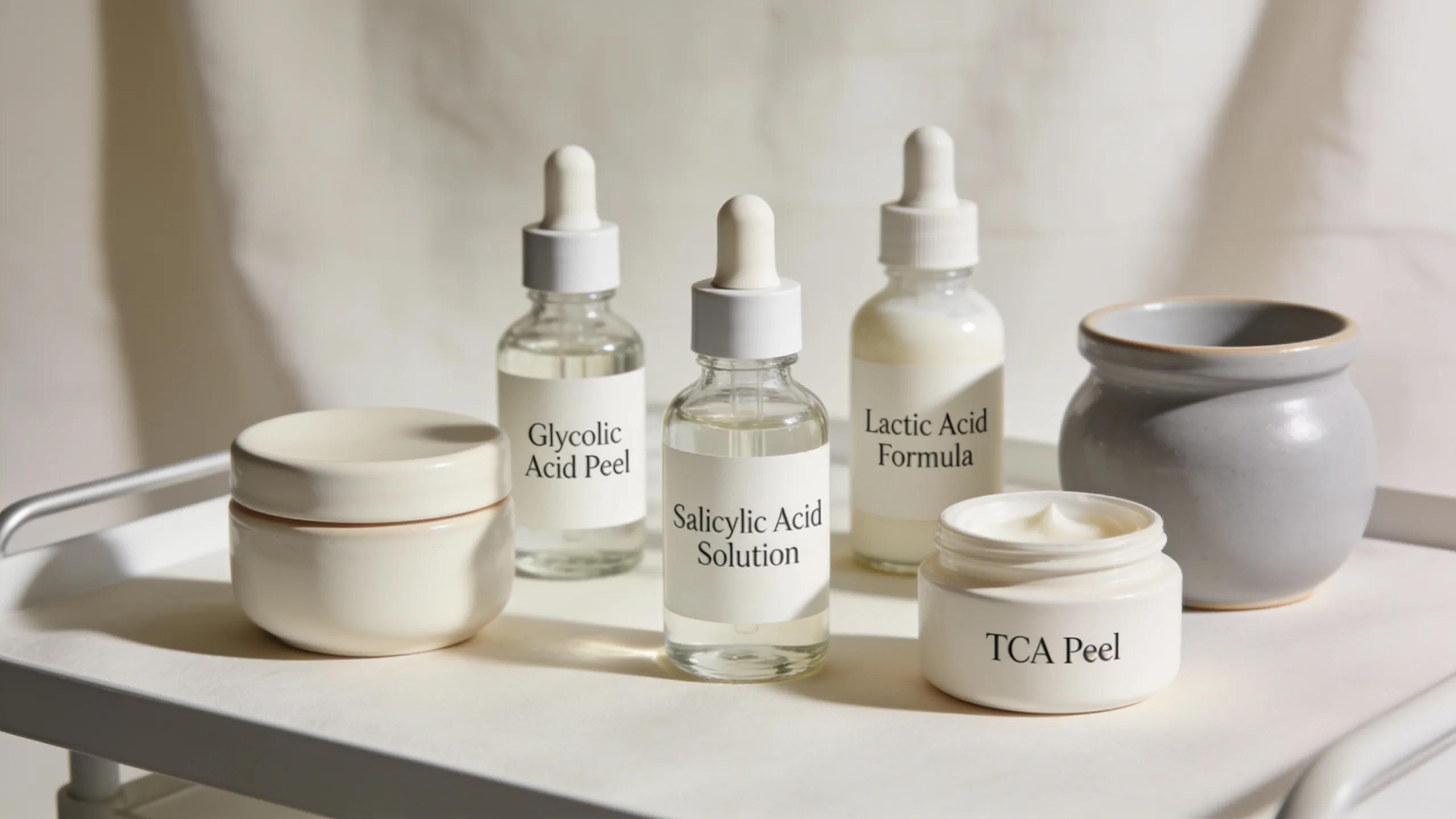
Chemical peels are stratified by depth and agent potency. Selection depends on scar depth, skin type, and risk profile; superficial, medium, and deep peels correspond to increasing penetration and clinical effect.
- Superficial Peels: Ideal for mild scars, these peels exfoliate the outer layer of skin.
- Medium Peels: Effective for moderate scarring, they penetrate deeper to promote skin renewal.
- Deep Peels: Best for significant scarring, these peels provide more dramatic results but require longer recovery times.
How Do Chemical Peels Support Skin Resurfacing and Scar Healing?
Chemical peels promote epidermal exfoliation and controlled injury to facilitate regeneration of healthier skin. Serial treatments may progressively reduce scar prominence and improve surface irregularity, contributing to a more uniform complexion.
What Are the Safety Considerations for Chemical Peels in Beverly Hills Clinics?
Safety considerations include patient selection, recognition of contraindications, and adherence to post-procedural care. Providers counsel patients regarding expected transient effects and strategies to minimise complications.
- Mild Side Effects: Patients may experience temporary redness or peeling.
- Contraindications: Certain skin types or conditions may not be suitable for chemical peels.
- Importance of Aftercare: Following post-peel instructions is crucial for minimizing risks and ensuring optimal healing.
What Are the Best Personalized Skincare Products for Acne Scar Healing?
Targeted, personalised topical agents can augment clinical treatments. Product selection should address barrier restoration, pigment modulation, and maintenance of adequate hydration to support tissue repair.
- Barrier Repair Agents: These products help restore the skin’s natural barrier, promoting hydration and healing.
- Brightening Agents: Ingredients like vitamin C can help fade hyperpigmentation associated with scars.
- Moisturizers: A good moisturizer is essential for maintaining skin hydration and supporting the healing process.
A consultation with a dermatology specialist at Couture Dermatology will identify products matched to skin type, sensitivities, and the overall treatment regimen.
How Should Patients Manage Post-Treatment Care and Recovery for Acne Scars?
Post-procedural management is essential to optimise healing and reduce complications. Patients should follow prescribed regimens, protect treated areas from ultraviolet exposure, and report unexpected signs or symptoms promptly.
- Control Active Acne: Continue to manage any active breakouts to prevent new scars.
- Follow Up with Dermatologists: Regular check-ins can help monitor progress and adjust treatment plans as needed.
- Use Gentle Skincare Products: Opt for non-irritating products to support healing without causing further damage.
For a detailed summary of available modalities and protocols, refer to the acne scar refinement services tailored to specific clinical concerns.
What Do Patient Success Stories Reveal About Acne Scar Healing in Beverly Hills?
Patient reports commonly document measurable improvements in scar appearance following individualised treatment protocols. Many patients also report enhanced self-confidence; clinicians emphasise setting realistic expectations, as outcomes vary with scar type and patient-specific factors.
What Are Common Patient Experiences with Combination Therapies?
Combination therapy frequently yields superior clinical results by addressing multiple pathophysiological components of scarring. Patients often report greater satisfaction when treatment plans integrate complementary modalities, such as microneedling with laser resurfacing.
What Is the Best Treatment for Different Types of Acne Scars?
Therapeutic selection should be guided by scar classification. Specific modalities demonstrate relative efficacy for particular scar morphologies, informing a targeted approach to management.
- Ice Pick Scars: Often treated with microneedling or laser resurfacing.
- Rolling Scars: Respond well to subcision and chemical peels.
- Boxcar Scars: Typically improved through laser treatments and fillers.
Recognition of the structural features of each scar subtype supports formulation of an evidence-based treatment strategy.
How Can Patients Maintain Results and Prevent Scar Recurrence?
Long-term maintenance requires control of active acne, photoprotection, and adherence to a consistent, clinician-directed skincare regimen. These measures reduce the risk of recurrence and help preserve procedural gains.
- Manage Active Acne: Ongoing acne control is crucial to avoid new scars.
- Use Sun Protection: Daily sunscreen application protects healing skin and prevents pigmentation issues.
- Follow a Consistent Skincare Routine: Adhering to a tailored skincare regimen supports long-term skin health.
Implementing these strategies supports sustained improvement and the longevity of treatment outcomes.
Frequently Asked Questions
What Should I Expect During My First Acne Scar Evaluation?
During the initial evaluation, a dermatologist will perform a systematic assessment of the skin, document scar type and severity, review medical history and current skincare regimens, and discuss treatment objectives. Photodocumentation may be obtained and a personalised treatment pathway will be proposed based on clinical findings.
Are There Any Side Effects Associated with Acne Scar Treatments?
Treatment-related adverse effects vary by modality and may include transient erythema, oedema, desquamation, or procedure-specific discomfort. Microneedling can cause mild soreness or ecchymosis. Most expected effects resolve within days to weeks; any persistent or atypical reaction should prompt clinical review.
How Long Will It Take to See Results from Acne Scar Treatments?
Onset and magnitude of improvement depend on the chosen modality and individual healing response. Microneedling may yield early textural improvement within weeks, whereas laser-based interventions often require multiple sessions over several months for optimal effect. Chemical peels can produce observable changes within weeks but may require repeat treatments for durable results. Your treating dermatologist will provide a tailored timeline.
Can Over-the-Counter Products Help with Acne Scars?
Over-the-counter formulations containing retinoids, vitamin C, or alpha-hydroxy acids can assist with epidermal turnover, pigmentation reduction, and surface texture. Their efficacy is generally more limited than that of in-office procedures. Consultation with a dermatologist will clarify which agents are appropriate adjuncts to a clinical treatment plan.
What Lifestyle Changes Can Support Acne Scar Healing?
Dietary optimisation, adequate hydration, smoking cessation, photoprotection, regular physical activity, and stress-reduction strategies all contribute to improved skin repair and overall recovery. These lifestyle factors support tissue healing and can enhance treatment outcomes.
How Often Should I Schedule Follow-Up Appointments After Treatment?
Follow-up intervals depend on the treatment protocol and individual recovery. Typically, clinicians schedule evaluations every four to eight weeks after initial procedures to monitor healing, assess efficacy, and adjust the treatment plan as necessary. Ongoing surveillance is important for long-term management.
Conclusion
Meaningful improvement in acne scarring is achievable with evidence-based, individualised skincare regimens and procedural interventions available in Beverly Hills. Appropriate selection of techniques—such as microneedling and chemical peels—combined with specialist oversight at Couture Dermatology can optimise clinical results. Review available services and consult with a dermatology professional to initiate a structured treatment plan aligned with your clinical needs.