Acne Scar Treatment Options in Beverly Hills: Expert Solutions for Effective Scar Removal
Acne scarring can substantially affect appearance and self-esteem, prompting many patients to pursue clinical treatment. In Beverly Hills, clinicians offer multiple evidence-based modalities, including laser therapy, microneedling, and chemical peels. This article reviews these options, their mechanisms of action, expected clinical outcomes, and typical recovery intervals. Understanding these modalities facilitates informed decisions and supports development of personalised treatment plans at dermatology clinics in Beverly Hills.
What Are the Most Effective Laser Acne Scar Treatments Available in Beverly Hills?
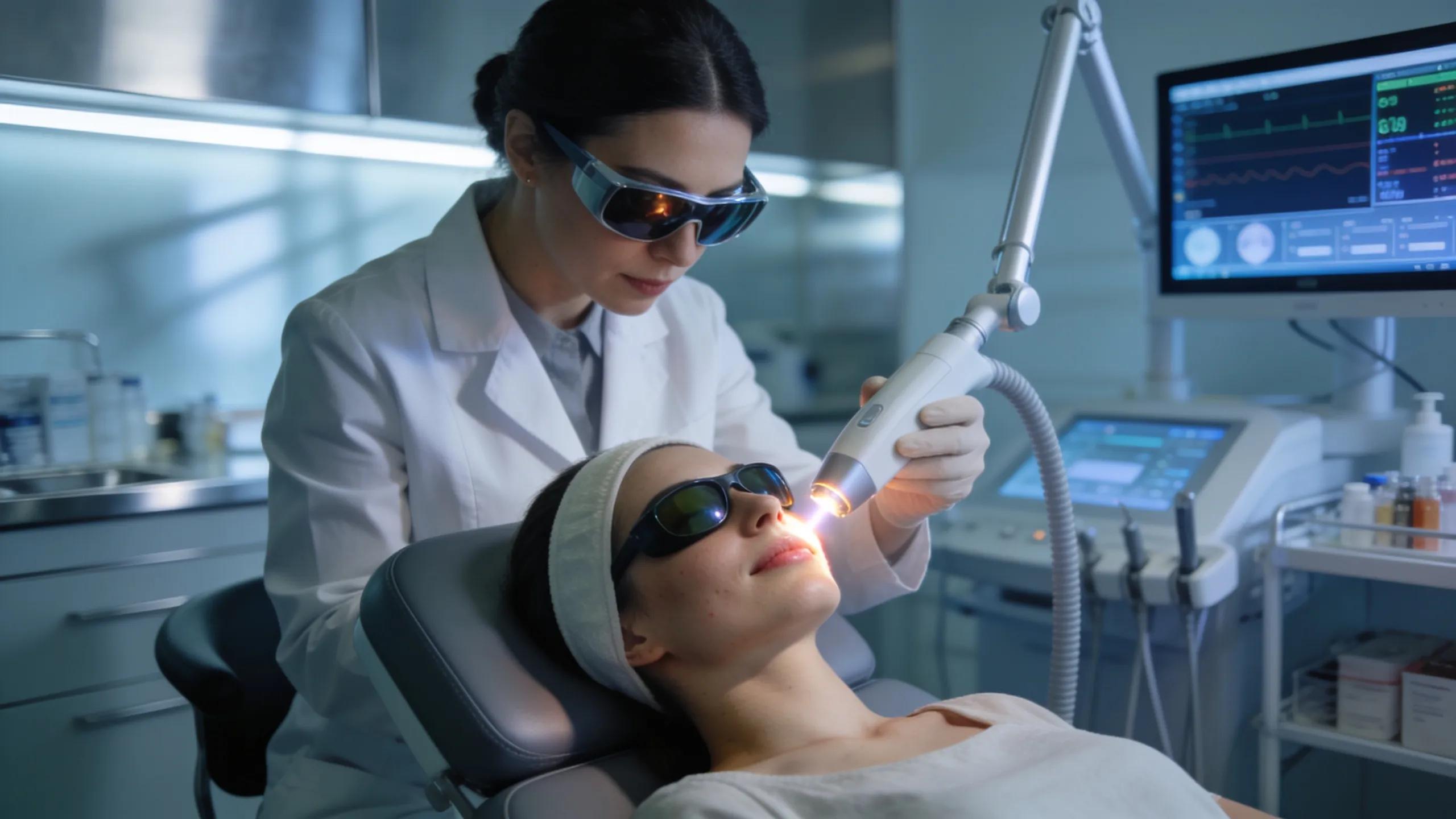
Laser modalities are widely utilised for acne scar revision. These interventions target the epidermis and dermis to stimulate collagenesis and improve skin texture. Clinical effectiveness varies by laser type, scar severity, and individual phototype.
Types of Lasers Used:
Several laser and energy-based modalities are used in scar management, each with specific indications and benefits.
- Fractional Laser: This laser creates micro-injuries in the skin, promoting healing and collagen production, which can significantly reduce the appearance of scars.
- Radiofrequency Microneedling: Combining microneedling with radiofrequency energy, this method enhances collagen remodeling and improves skin texture.
- TCA Cross: A chemical treatment that uses trichloroacetic acid to treat specific types of scars, particularly ice pick scars.
Clinical data support combined approaches—such as fractional microneedle radiofrequency—for simultaneous management of active acne and residual scarring.
Fractional Microneedle Radiofrequency for the Treatment of Acne and Associated Scars
Fractional microneedle radiofrequency (FMR) is an emerging modality in acne management. Bipolar radiofrequency induces neocollagenesis via thermal stimulation. FMR demonstrates potential as a safe and effective option for patients with active acne and acne scarring. The referenced study evaluated and compared efficacy and safety profiles of FMR and bipolar radiofrequency in this clinical context. Comparison of fractional microneedling radiofrequency and bipolar radiofrequency on acne and acne scar and investigation of mechanism: comparative randomized …, 2015
Expected Outcomes:
Patients may experience variable improvement, commonly in the range of 50% to 70% reduction in scar prominence. Maximal collagen induction typically develops over several months following treatment.
Treatment Durations:
Individual laser sessions generally last 30 to 90 minutes. Multiple sessions are often required, scheduled at intervals to permit adequate dermal remodelling and epidermal recovery.
Potential Side Effects:
Laser procedures are performed within clinical safety parameters but carry potential adverse effects.
- Redness: Temporary erythema is common and usually resolves within a few days.
- Swelling: Mild oedema may occur, particularly after more aggressive treatments.
- Post-inflammatory hyperpigmentation: Some patients may experience darkening of the skin in treated areas, especially those with darker skin tones.
How Does Laser Resurfacing Improve Acne Scars?
Laser resurfacing reduces acne scarring by inducing controlled dermal injury that triggers collagen remodelling and tissue repair. Targeting the epidermis and dermis promotes neocollagenesis, which helps to elevate atrophic scars and improve surface irregularities. Skin resurfacing remains a primary modality for scar revision.
What Are the Recovery Times and Expected Outcomes of Laser Procedures?
Recovery intervals depend on the modality and patient response. Typical recovery expectations follow.
- Fractional Laser: Recovery may take 3-7 days, with redness and swelling subsiding within a week.
- Radiofrequency Microneedling: Patients typically experience minimal downtime, with most returning to normal activities within 24-48 hours.
- TCA Cross: Recovery can take about 7-14 days, depending on the depth of the treatment.
Expected clinical outcomes include improved skin texture and reduced scar visibility, with optimal results often apparent several months after the final treatment session.
How Does Microneedling Serve as a Treatment for Acne Scars?
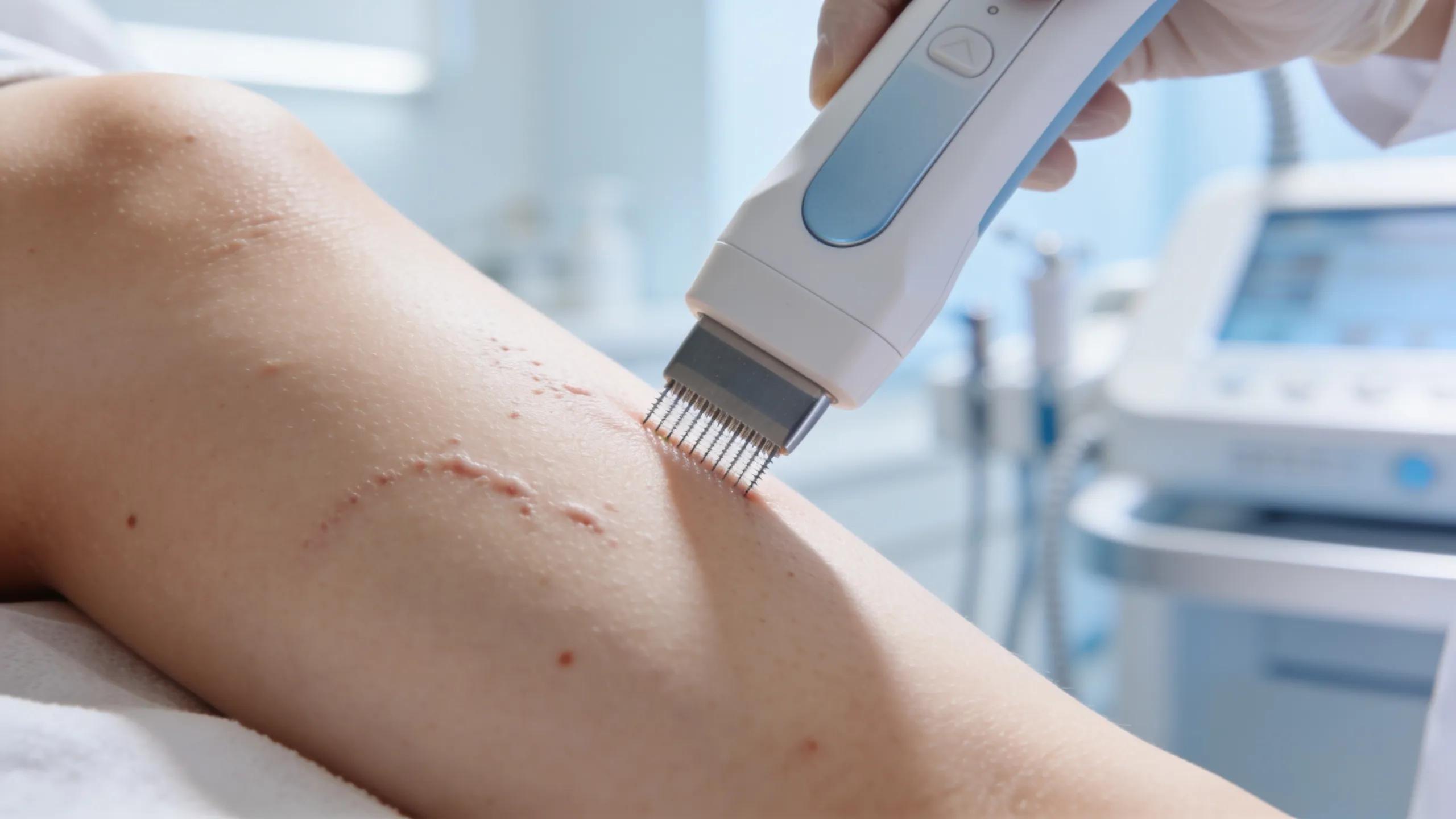
Microneedling is a minimally invasive procedure that creates controlled micro-injuries to stimulate fibroblast activity and collagen and elastin synthesis. It is commonly integrated into comprehensive acne scar refinement protocols.
Effectiveness:
Clinical experience and studies demonstrate measurable improvement in scar depth and skin texture. Many patients achieve durable enhancement with appropriately timed treatment series.
Procedure Details:
Standard protocol begins with patient assessment and goal setting. Topical anaesthesia is applied to optimise comfort. The practitioner then performs controlled microneedling across the treatment area using an approved device.
Recovery Time:
Downtime is typically brief. Patients commonly report erythema and mild oedema for 24-48 hours. Post-procedure care focuses on photoprotection and gentle skin care.
Potential Side Effects:
Typical adverse effects are transient and include:
- Redness: Similar to a mild sunburn, this usually resolves within a few days.
- Swelling: Mild swelling may occur but typically subsides quickly.
- Sensitivity: Treated areas may feel sensitive for a short period.
What Role Do Chemical Peels Play in Acne Scar Removal?
Chemical peels employ controlled chemical exfoliation to remove damaged epidermal layers and stimulate epidermal regeneration. Peels vary in depth and are selected based on scar type and treatment objectives.
Types of Chemical Peels:
Chemical peels are classified by depth and active agent to match clinical needs.
- Superficial Peels: These use mild acids to gently exfoliate the outer layer of skin, suitable for light scarring.
- Medium Peels: Utilizing stronger acids, these peels penetrate deeper to address moderate scarring.
- Deep Peels: These are more aggressive and can provide significant improvements for severe scarring but require longer recovery times.
Effectiveness:
When selected appropriately, chemical peels can improve skin texture and reduce scar visibility. Outcomes depend on peel depth and patient-specific skin condition; multiple treatments may be required.
Potential Side Effects:
Adverse effects are procedure-dependent and may include:
- Redness: Temporary redness is common and usually resolves within a few days.
- Swelling: Some swelling may occur, particularly with deeper peels.
- Changes in pigmentation: Patients with darker skin tones may experience temporary changes in skin color.
How Are Injectable Treatments Used to Address Acne Scars?
Injectable therapies, including dermal fillers, address depressed scars by restoring volume and smoothing contour irregularities. These interventions are frequently used in combination with resurfacing techniques.
What Types of Injectable Fillers Are Recommended for Scar Revision?
Commonly used injectables for scar revision include:
- Hyaluronic Acid Fillers: These provide immediate volume and hydration, making them ideal for filling in depressed scars.
- Sculptra: This filler stimulates collagen production over time, offering gradual and natural-looking results.
How Do Injectables Complement Other Acne Scar Treatments?
Injectables can be combined with laser therapy and microneedling to enhance volume restoration and surface texture, yielding a more comprehensive scar management strategy. A full range of aesthetic services supports individualized plans.
How Are Personalized Skincare Plans Developed for Acne Scar Management?
Personalised regimens are formulated after clinical assessment of skin type, scar morphology, and treatment objectives. Plans integrate procedural and topical therapies to optimise outcomes and minimise risk.
What Is the Consultation Process at Beverly Hills Dermatology Clinics?
The consultation comprises a detailed skin examination and review of medical history. The clinician will evaluate scar type, assess for active acne, discuss realistic outcomes, and outline risks and the recommended treatment sequence.
How Are Treatment Plans Customized Based on Skin Type and Scar Severity?
Treatment selection is guided by multiple factors, including:
- Scar Morphology: Different types of scars may require specific treatments for optimal results.
- Active Acne Control: Addressing any active acne is crucial before proceeding with scar treatments.
- Skin Type Considerations: Individual skin types can influence the choice of treatment and expected outcomes.
What Are the Cost Considerations and Booking Procedures for Acne Scar Treatments in Beverly Hills?
Costs vary according to procedure type, clinic location, and practitioner experience. Patients should obtain a detailed estimate during consultation to understand total anticipated costs.
What Is the Typical Price Range for Various Acne Scar Removal Options?
The customary price ranges include:
- Laser Treatments: Prices can range from $300 to $1,500 per session, depending on the type of laser used.
- Microneedling: Sessions typically cost between $200 and $700.
- Chemical Peels: Prices can range from $150 for superficial peels to $1,000 for deep peels.
How Can Patients Schedule Consultations and Treatment Sessions?
Patients schedule consultations by contacting clinics directly. Clinics customarily request medical history and treatment goals to prepare a focused evaluation.
Couture Dermatology and Laser Beverly Hills offers a range of advanced aesthetic and medical skin treatments, including laser therapies, microneedling, and personalized skincare plans. For more information, you can reach them at (310) 444-0946 or visit their office at 9735 Wilshire Blvd, Suite 216, Beverly Hills, CA 90212.
Frequently Asked Questions
What Should I Expect During My First Consultation for Acne Scar Treatment?
At the initial consultation, the dermatologist will perform a comprehensive skin assessment and review your medical history. The clinician will classify scar type and severity, identify any active acne, review appropriate treatment options, outline expected outcomes, and discuss procedure-specific risks. Use this appointment to clarify goals and obtain a tailored plan.
How Many Sessions Are Typically Required for Effective Acne Scar Treatment?
Session count depends on the chosen modality and individual response. Many laser protocols require multiple treatments, often three to six sessions spaced several weeks apart. Microneedling and peels may also be delivered in series. Your dermatologist will provide a personalised schedule after assessment.
Are There Any Long-Term Effects Associated with Acne Scar Treatments?
Most treatments are safe when performed by qualified clinicians. Potential long-term sequelae vary by procedure and may include persistent changes in pigmentation or prolonged sensitivity. Discuss individual risk factors with your dermatologist to mitigate complications and support durable outcomes.
Can Acne Scar Treatments Work on All Skin Types?
Many treatments can be adapted for diverse skin types, including phototypes with increased risk of dyspigmentation. Certain modalities may present higher risk for specific skin tones; therefore, a specialist consultation is essential to select the safest, most effective approach.
What Aftercare Should Be Followed Post-Treatment for Acne Scars?
Post-procedure care is critical for healing and outcome optimisation. Follow instructions provided by your clinician, which typically include strict photoprotection, use of gentle cleansers and moisturisers, and any prescribed topical agents. Avoid mechanical trauma to treated areas to prevent complications.
How Quickly Can I Expect to See Results After Treatment?
Onset of visible improvement varies by modality. Many patients note initial textural changes within weeks of laser therapy, with peak results often observed three to six months after completing treatment series. Microneedling and peels may show earlier signs of improvement; your clinician will set appropriate expectations for your plan.
Conclusion
Advanced acne scar treatments in Beverly Hills can produce meaningful improvements in skin texture and appearance when selected and performed appropriately. Individualised, evidence-based plans are essential to optimise results and minimise risk. To initiate treatment, schedule a consultation with a board-qualified dermatologist to develop a clinically appropriate plan tailored to your needs.