
Best Dark Circle Treatments in Beverly Hills: Expert Dermatologist Solutions for Under Eye Rejuvenation

By Tunde Abisogun, Cosmetic & Medical Dermatology in Beverly Hills | Couture Dermatology
Periorbital dark circles are a common cosmetic concern that often produce a fatigued or aged appearance. This article reviews leading dermatologic treatments available in Beverly Hills for under-eye rejuvenation. It outlines treatment modalities, their clinical effectiveness, and the role of individualized care in achieving optimal outcomes. The etiology of dark circles commonly involves pigmentation, vascular prominence, and volume loss; targeted interventions can address these mechanisms. The guide examines primary causes, treatment effectiveness, patient-reported outcomes, safety considerations, and how Couture Dermatology and Laser Beverly Hills individualizes treatment plans.
Treatment Options
Treatment selection is determined by the underlying etiology. Common modalities include:
- Laser Skin Resurfacing: This method targets pigmentation and improves skin texture by removing the outer layer of skin, promoting new skin growth.
- Dermal Fillers: Hyaluronic acid fillers can restore volume to the under-eye area, reducing the appearance of hollows that contribute to dark circles.
- Topical Treatments: Eye creams containing ingredients like vitamin C and retinol can help brighten the skin and improve texture over time.
Couture Dermatology and Laser Beverly Hills provides a comprehensive, multidisciplinary approach to these modalities, ensuring individualized plans based on the patient’s skin type and specific concerns.
Effectiveness

Therapeutic efficacy varies according to skin phenotype and the primary causative factors. Evidence indicates that combination therapy frequently yields superior results. For example, combining laser therapy with hyaluronic acid fillers can concurrently address pigmentation and volume deficiency. Patient-reported outcomes commonly describe measurable improvements in appearance and self-confidence following combined approaches.
| Treatment | Effectiveness | Duration |
|---|---|---|
| Laser Skin Resurfacing | High | 1-2 sessions, results last 6-12 months |
| Dermal Fillers | Moderate to High | Immediate results, lasts 6-12 months |
| Topical Treatments | Variable | Continuous use required for best results |
The table summarizes relative effectiveness and expected duration for each modality to inform patient decision-making.
Patient Experiences
Patient-reported outcomes are integral to assessing the impact of interventions. Many individuals report positive results, with feedback commonly emphasizing the following points:
- Improved Appearance: Patients frequently express satisfaction with the visible reduction in dark circles and overall rejuvenation of the under-eye area.
- Expertise of Dermatologists: The knowledge and skill of dermatologists at Couture Dermatology contribute significantly to successful treatment outcomes.
- Personalized Care: Tailored treatment plans that consider individual skin types and concerns lead to higher satisfaction rates.
Collectively, these reports support consultation with a qualified dermatologist when considering cosmetic intervention.
Safety and Downtime
Safety is paramount. When performed by credentialed clinicians, procedures such as laser skin resurfacing and dermal filler administration have established safety profiles. Typical recovery intervals vary and depend on procedure intensity and patient-specific factors:
- Laser Skin Resurfacing: Patients may experience redness and swelling for 3-7 days post-treatment, with full recovery taking up to two weeks.
- Dermal Fillers: Minimal downtime is expected, with most patients returning to normal activities immediately, although some swelling may occur.
Recommended post-procedure care includes photoprotection and the use of gentle skincare formulations to facilitate epidermal repair and healing.
What Are the Primary Causes of Dark Circles Under the Eyes?
Periorbital darkening results from genetic, lifestyle, and environmental factors. Accurate identification of the predominant cause is essential for effective treatment selection.
How Do Pigmentation and Vascular Factors Contribute to Dark Circles?
Epidermal or dermal hyperpigmentation increases periorbital darkness. Additionally, prominence of subcutaneous vasculature visible through thin periorbital skin can further accentuate the appearance of dark circles.
What Role Does Under Eye Volume Loss Play in Dark Circle Formation?
Atrophy of subcutaneous fat and soft tissue in the tear trough produces contour deformity and shadowing that accentuates dark circles. Aging and hereditary factors commonly contribute to this volume loss, which renders dermal fillers an effective corrective option.
How Effective Is Laser Therapy for Treating Dark Circles in Beverly Hills?
Laser therapy is an effective intervention for dark circles primarily driven by pigmentation. The modality targets melanin and stimulates dermal collagen synthesis, producing a brighter periorbital appearance. For advanced interventions, exploring skin resurfacing may yield substantial improvement.
What Types of Laser Skin Resurfacing Are Used for Under Eye Pigmentation?
Fractional CO2 and Erbium lasers are commonly employed for under-eye pigmentation; both devices can reduce pigment burden and improve cutaneous texture.
What Are the Expected Outcomes and Recovery Times for Laser Treatments?
Patients may achieve marked improvement in skin tone and texture, with effects persisting for several months. Recovery typically ranges from a few days to two weeks depending on the intensity of the procedure.
What Are the Benefits and Considerations of Under Eye Dermal Fillers?

Hyaluronic acid dermal fillers provide prompt restoration of under-eye volume and attenuation of shadowing. Potential adverse events include bruising and transient edema, which are generally self-limited. Patients seeking broader, non-surgical facial enhancement may consider non-surgical facelift procedures.
A thorough understanding of the multifactorial causes of periorbital darkening is essential to select the most appropriate and effective treatment, as demonstrated in the literature.
Understanding and Treating Infraorbital Dark Circles: Etiology and Individualized Therapeutic Approaches
ABSTRACT: Infraorbital dark circles denote visible hyperpigmentation of the periorbital region. While primarily a cosmetic concern, current literature lacks consistent definitions and comprehensive characterization of underlying etiologies. This systematic review synthesizes potential causes and therapeutic strategies, integrating published evidence with clinical experience. Contributing factors may include hyperpigmentation; shadowing from tear-trough deformities and infraorbital fat herniation; shadowing due to infraorbital skin laxity and rhytides; and thin, translucent skin overlying the orbicularis oculi muscle. Given the multifactorial nature of infraorbital dark circles, therapeutic strategies require individualized approaches. Identification of the predominant etiologies is crucial to select appropriate and effective interventions.
Treatments of infra-orbital dark circles by various etiologies, 2018
Which Dermal Fillers Are Recommended for Under Eye Volume Restoration?
Hyaluronic acid fillers—commonly Restylane and Juvederm—are frequently recommended for under-eye volume restoration due to established safety and efficacy profiles.
A systematic review underscores that achieving safe, effective, and natural-looking outcomes with dermal fillers requires precise anatomical knowledge and careful selection of the appropriate filler type.
Dermal Fillers for Tear Trough Rejuvenation: A Systematic Review
Significant variability exists in treatment parameters for the infraorbital region. Comprehensive understanding of these variables, judicious selection of the appropriate dermal filler, and precise anatomical knowledge of this anatomically challenging area are essential to achieve safe, effective, and natural results. This systematic review synthesizes published literature concerning the use of soft-tissue fillers for the tear trough and infraorbital region.
Dermal fillers for tear trough rejuvenation: a systematic review, LN Trinh, 2022
How Long Do Under Eye Fillers Last and What Are the Potential Risks?
Under-eye dermal fillers typically maintain correction for six to twelve months. Potential complications include hypersensitivity reactions and palpable irregularities if injection technique is suboptimal.
Which Topical Treatments and Eye Creams Are Best for Dark Circle Removal?
Topical formulations that contain caffeine, vitamin K, and peptides can reduce periorbital discoloration by improving microcirculation and dermal support.
What Ingredients in Eye Creams Target Pigmentation and Skin Texture?
Retinol improves epidermal turnover and skin texture, while vitamin C provides antioxidant and brightening effects; both ingredients can materially enhance the appearance of dark circles.
How Should Patients Incorporate Topical Treatments into Their Skincare Regimen?
For optimal effect, topical agents should be applied consistently, typically twice daily, and integrated into a comprehensive skincare regimen to maximise benefits.
How Does Couture Dermatology Personalize Dark Circle Treatment Plans in Beverly Hills?
Couture Dermatology implements a comprehensive, assessment-driven approach to personalize treatment plans based on individual evaluations, ensuring that interventions align with each patient’s skin type and clinical findings. Patients may review the clinic’s aesthetic services for available options.
What Diagnostic Assessments Inform Customized Treatment Approaches?
Diagnostic evaluation commonly includes skin phototype assessment and targeted analysis of underlying contributory factors, enabling tailored therapeutic strategies.
How Are Laser, Injectable, and Topical Therapies Combined for Optimal Results?
Integration of laser-based procedures, injectables, and topical therapies can address multiple etiologies and often produces superior overall outcomes and patient satisfaction. For comprehensive information, consult the Couture Dermatology website.
What Are the Typical Costs and Booking Procedures for Dark Circle Treatments in Beverly Hills?
Treatment costs vary substantially according to the selected procedure and provider. Patients are advised to schedule a consultation to review clinical options and obtain a personalized cost estimate.
How Do Treatment Costs Vary Among Laser Therapy, Fillers, and Topical Options?
Laser-based interventions generally incur higher fees than injectables or topical regimens, reflecting equipment requirements and specialist expertise. Patients should consider budgetary constraints alongside expected clinical benefit when selecting a treatment.
What Is the Process for Scheduling Consultations and Follow-Up Care?
To schedule a consultation, patients should contact Couture Dermatology directly. The clinic provides individualized assessments and structured follow-up to optimize treatment outcomes.
Frequently Asked Questions
What Should I Expect During a Consultation for Dark Circle Treatments?
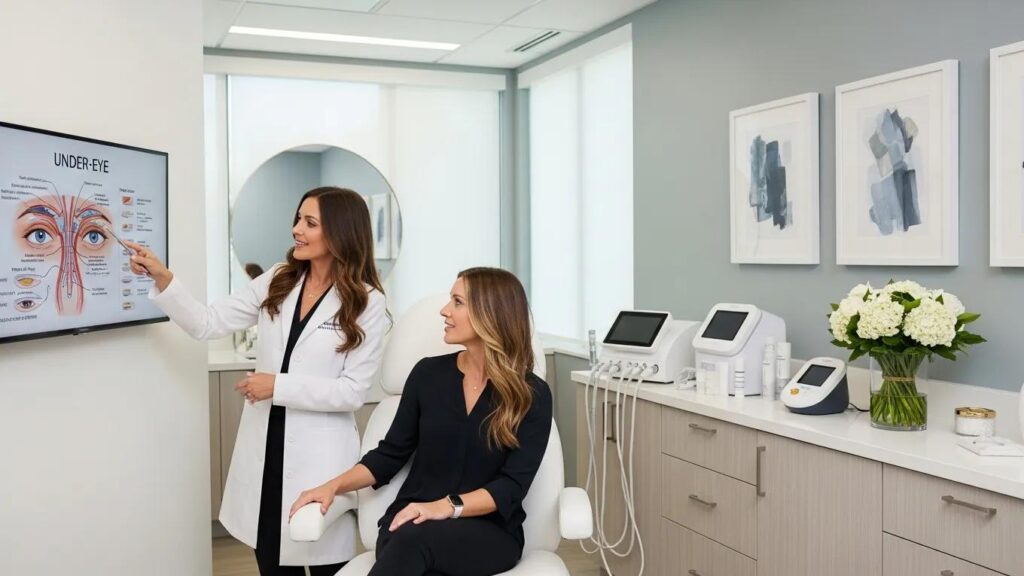
During a consultation, a dermatologist will perform a comprehensive assessment of skin type and the etiologic factors responsible for periorbital darkening. This assessment may include review of medical history, lifestyle influences, and any prior treatments. The clinician will present personalized treatment recommendations and explain the benefits, risks, and expected outcomes of each option to establish realistic expectations and a comprehensive plan.
Are There Any Home Remedies for Reducing Dark Circles?
Although professional interventions generally offer greater efficacy, some conservative measures may transiently reduce the appearance of dark circles. Common measures include cold compresses, tea bags, or cucumber application to reduce periorbital edema. Adequate hydration and sufficient sleep support overall skin health. These measures may be insufficient when genetic or structural factors predominate.
How Can Lifestyle Changes Help Prevent Dark Circles?
Lifestyle modification can mitigate the development of dark circles. Adequate sleep, stress management, and a balanced diet rich in vitamins and antioxidants support cutaneous health. Photoprotection and hydration reduce further pigmentation and skin damage. Regular exercise can improve circulation and may decrease the visibility of dark circles over time.
What Are the Signs That I Should Seek Professional Treatment for Dark Circles?
Seek specialist evaluation if dark circles persist despite conservative measures, increase in severity, or are accompanied by textural changes, puffiness, or persistent swelling. Additionally, if dark circles adversely affect self-esteem or daily functioning, consultation with a dermatologist can identify effective, tailored interventions.
How Do I Choose the Right Treatment for My Dark Circles?
Choosing an appropriate treatment requires identification of the underlying cause, which may range from pigmentary issues to volumetric loss. A qualified dermatologist will evaluate your skin type and prior treatment responses and recommend the most suitable options. Considerations include severity, expected response, and personal preferences regarding downtime. A tailored approach yields the best outcomes.
What Aftercare Is Recommended Following Dark Circle Treatments?
Post-procedure care is essential to optimize recovery and results. After laser treatments, patients should avoid sun exposure and use gentle skincare products for at least one week. It is advisable to keep the treated area moisturized and to follow any specific instructions provided by the dermatologist. Following dermal filler administration, temporary avoidance of strenuous activity and excessive facial movements can minimize swelling and support optimal results.
Conclusion
Effective management of periorbital dark circles can improve facial appearance and patient confidence. Personalized treatment options—including laser therapy, dermal fillers, and topical agents—can achieve rejuvenation tailored to clinical findings. Accurate diagnosis and professional guidance are essential for optimal results. To initiate care, schedule a consultation with Couture Dermatology.