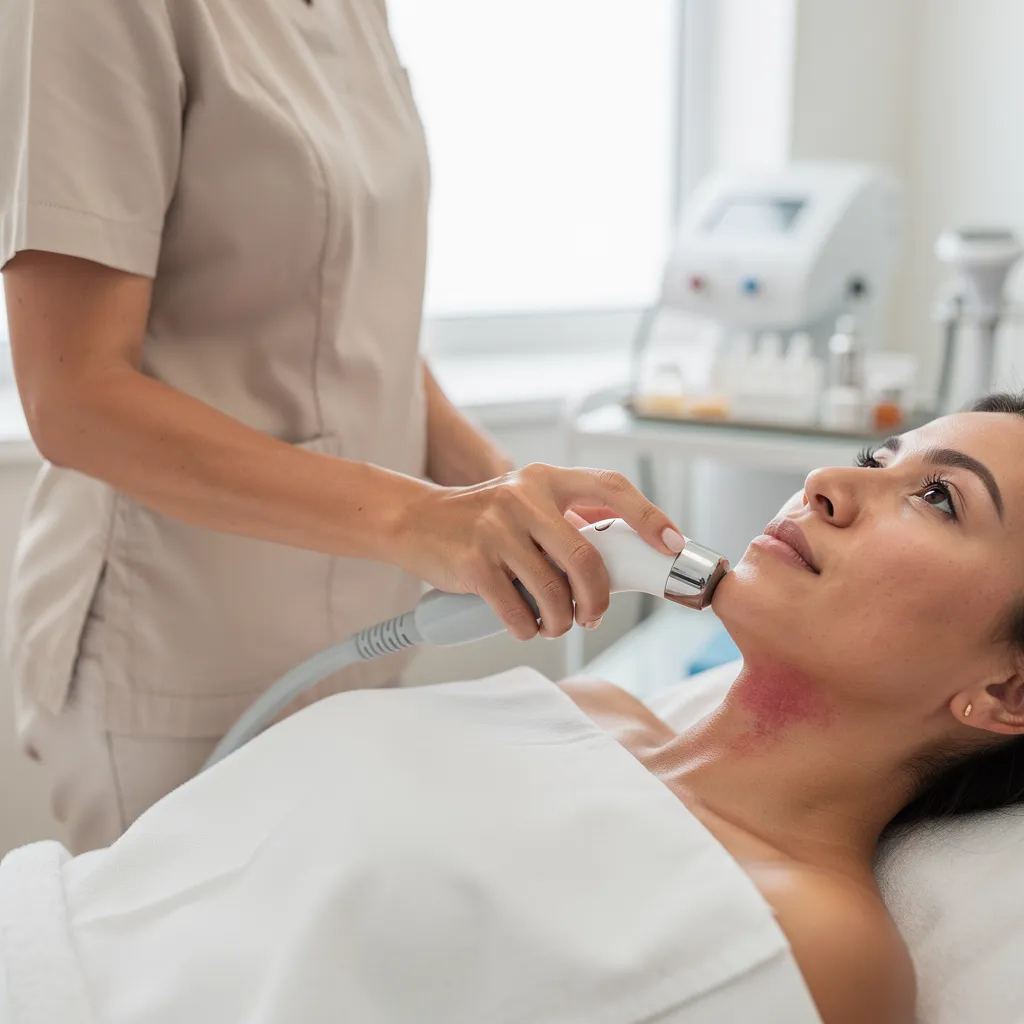
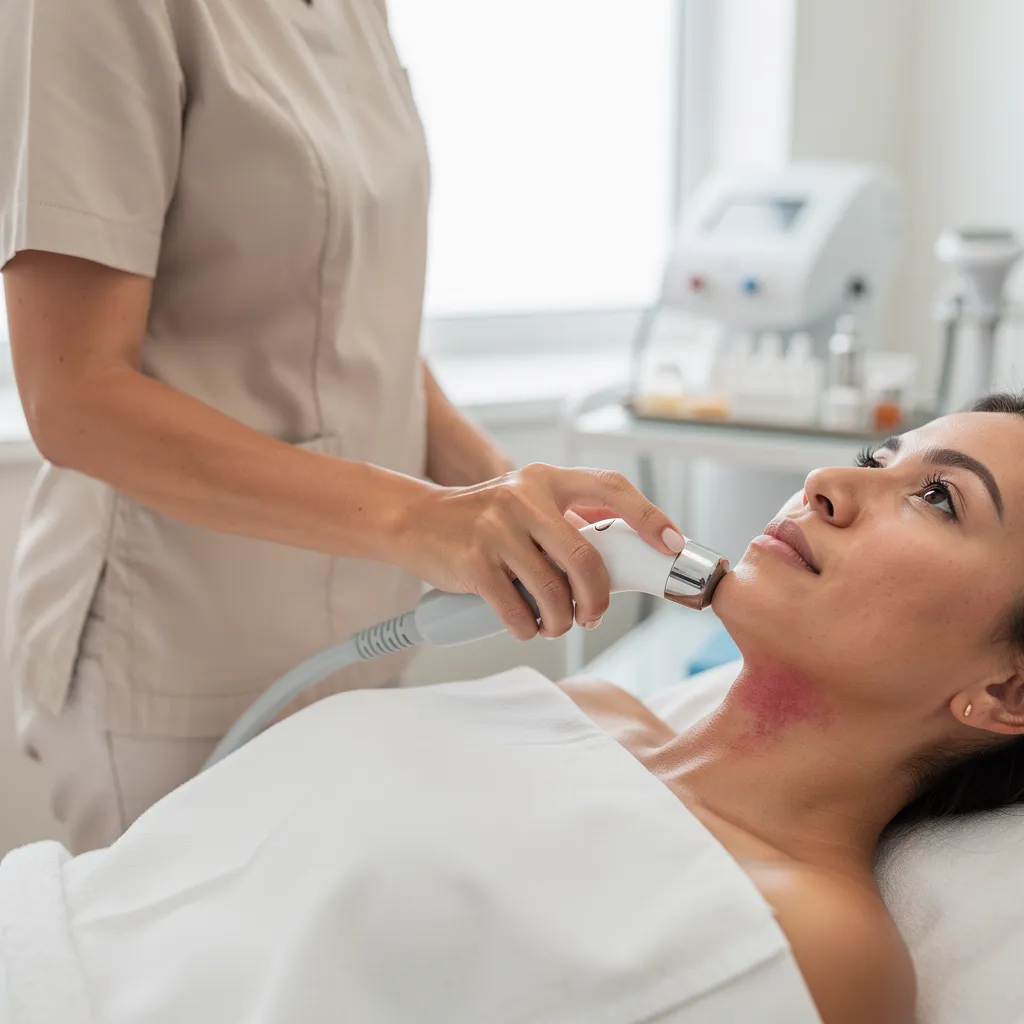
When it comes to What Are the Potential Side Effects of Non-Surgical Skin Tightening Treatments?, non-surgical skin tightening treatments using ultrasound or radiofrequency energy typically produce mild, temporary side effects: redness, swelling, and tenderness at the treated area. Some clients experience bruising or numbness lasting several days. Serious complications remain rare. Couture Dermatology & Laser Beverly Hills customizes each treatment plan to minimize risk and support safe, effective collagen stimulation.
What Happens Right After Non-Surgical Skin Tightening?
Redness and mild warmth typically appear in the treated area within minutes of a session. Understanding the potential side effects of non-surgical skin tightening treatments begins with recognizing why these reactions occur in the first place. Non-surgical devices work by stimulating collagen production in the deeper layers of skin. This localized heating explains why most reactions stay confined to the treated site rather than spreading elsewhere on the body.
Patients at Couture Dermatology & Laser Beverly Hills receive treatment plans built around their individual skin type, tolerance, and treatment goals. Because every plan is customized specifically to the patient, the dermatologist anticipates likely reactions before the device ever touches the skin. That foresight often means less guesswork during recovery and fewer surprises in the days that follow.
What symptoms are normal in the first 24 hours?
Swelling, tenderness, and slight tightness commonly appear right after a session and usually fade within a day. Some patients notice temporary redness that resembles a mild sunburn. These reactions reflect the skin’s collagen-building response rather than tissue damage.
Who should manage these side effects?
Clinical oversight matters most in the first hours and days post-treatment. Couture Dermatology & Laser Beverly Hills was founded by a Harvard cosmetic fellowship-trained, board-certified dermatologist, bringing formal clinical training to every consultation. That background allows the practice to evaluate unexpected reactions quickly and adjust aftercare guidance as needed.
Common early responses include:
- Localized redness at the treatment site
- Mild swelling or puffiness
- Temporary warmth or tightness in the skin
- Slight tenderness to the touch
Most of these effects resolve without intervention, but reporting anything unusual to the treating dermatologist remains the safest course of action.
Which Side Effects Are Most Common After Treatment?

Redness, mild swelling, and temporary tenderness rank among the most frequent reactions patients notice after non-surgical skin tightening treatments. Because ultrasound, radiofrequency, and combined RF/IPL technologies work on the face, neck, and body without incisions or scarring, most reactions stay surface-level rather than surgical in nature. Patients should not expect the bruising, stitches, or extended downtime associated with a traditional facelift.
Common short-term reactions include:
- Localized redness that typically fades within hours to a few days
- Mild swelling around the treated area
- Temporary tenderness or warmth at the site of energy delivery
- Slight tingling as deeper skin layers respond to heat stimulation
Are These Side Effects Dangerous?
Generally, no. These reactions reflect the skin’s natural response to targeted heat energy, not tissue damage from cutting or surgical trauma. Persistent or worsening symptoms, however, warrant a follow-up conversation with a treating physician rather than a wait-and-see approach.
What Happens If Side Effects Don’t Resolve?
Patients experiencing redness or swelling that lingers beyond the expected window have a clear next step. Those in the Beverly Hills area can schedule in-person follow-up care directly at Couture Dermatology. A treating physician can assess the skin’s response and rule out complications.
Monitoring matters just as much as the procedure itself. Dr. Kagha Abisogun’s approach centers on the belief that every patient deserves the chance to look. Feel their best, a philosophy that extends into how recovery gets tracked and managed. Comfort and outcomes stay under close observation from the treatment appointment through the final stages of healing, giving patients a documented, physician-guided path back to normal skin function.
Do Side Effects Vary by Technology Type?
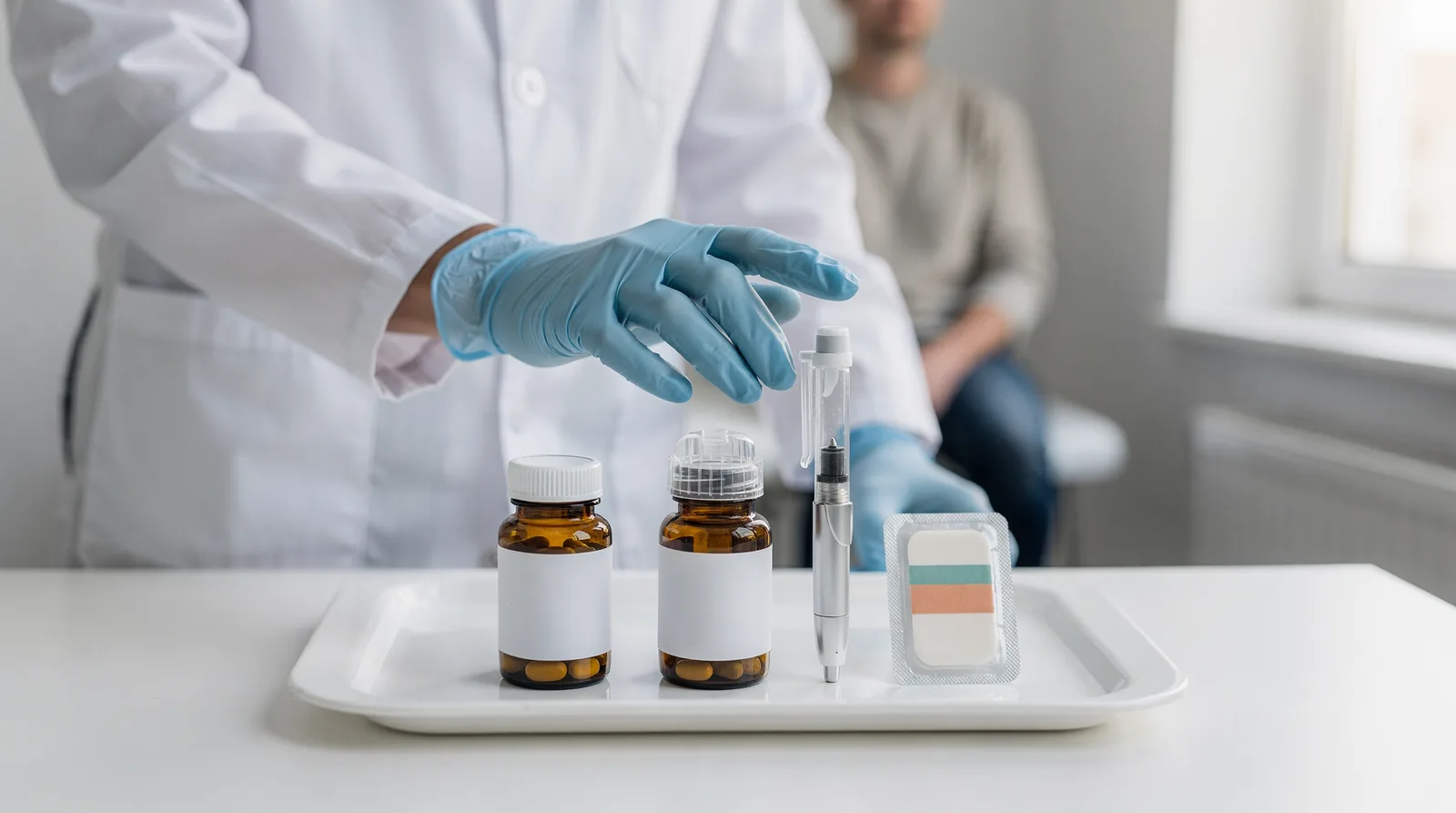
Side effect severity depends heavily on which device delivers the treatment. The potential side effects of non-surgical skin tightening treatments shift according to the energy source, the depth of penetration, and how a dermatologist calibrates the equipment for an individual patient. No single reaction profile applies across the board.
Numerous FDA-cleared skin tightening technologies exist on the market. Each one relies on a distinct mechanism to reach the desired result. Because the underlying science differs from device to device, the type and intensity of side effects differs too. A patient reacting mildly to one modality may notice a stronger response with another.
Does Ultrasound Feel Different Than Other Devices?
Micro-focused ultrasound often produces a more noticeable sensation than surface-level options. This technology sends heat as deep as 5 millimeters below the skin’s surface, reaching tissue layers that radiofrequency or light-based devices typically do not touch. That depth can translate into stronger warmth or tenderness during. After the session compared with treatments confined to the outer skin layers.
How Does Device Selection Affect Risk?
Choice of equipment shapes the recovery experience directly. Factors influencing variation include:
- Energy type — ultrasound, radiofrequency, or combined RF and light-based systems
- Penetration depth — deeper energy tends to correlate with more pronounced tenderness
- Device calibration — settings adjusted per patient and treatment area
At Couture Dermatology, every treatment is customized specifically to the individual, meaning the dermatologist selects and fine-tunes device settings rather than applying a one-size-fits-all approach. This personalized calibration reduces the likelihood of unnecessary discomfort while still targeting the collagen response each technology is designed to trigger.
How Does Cost Relate to Downtime and Risk?
Pricing varies by package; contact the brand directly for details. That spread matters because higher-intensity protocols capable of stronger tightening often carry longer recovery windows. A greater chance of temporary side effects like swelling or redness.
Cost decisions should never happen in isolation from risk assessment. At Couture Dermatology, treatment plans begin with guidance from a Harvard fellowship-trained, board-certified dermatologist, giving patients a clinical read on how a given price point aligns with expected downtime and side-effect likelihood before any commitment is made.
Does a higher price mean less downtime?
Not necessarily. Some premium treatments trade a higher session cost for minimal recovery time. Others require multiple lower-cost sessions that add up financially but keep daily disruption low. The right balance depends on the individual’s skin condition and goals.
Why do session numbers vary so much between patients?
Every treatment plan is customized to the person receiving it. Session counts, and therefore total cost, shift based on how the skin responds and tolerates side effects along the way:
- Skin that heals quickly may need fewer sessions.
- Sensitive skin often calls for spaced-out, lower-intensity visits.
- Treatment areas with thicker tissue may require additional passes.
How Can You Reduce Risk and Choose a Provider?
Risk reduction starts with provider credentials, not device brand names. Nonsurgical status does not mean unsupervised status. Non-surgical skin tightening treatments should only be performed by a licensed professional working under a physician’s supervision, a standard that limits complications and ensures problems get caught early rather than after damage sets in.
Patients weighing their options should treat this credentialing question as non-negotiable, on par with checking a surgeon’s board certification before an operative procedure.
What should patients ask before booking a treatment?
Ask who performs the treatment and who supervises that person medically. A qualified practice discloses this without hesitation. Patients should also ask how the provider handles unexpected side effects. A clear escalation plan signals genuine medical oversight rather than a purely cosmetic operation.
Does provider philosophy affect side-effect management?
Yes. A provider’s stated approach to patient care shapes how honestly side effects and expected outcomes get discussed upfront. Dr. Karen “Chinonso” Kagha Abisogun of Couture Dermatology has articulated a philosophy centered on helping every patient look. Feel their best, a standard that extends naturally into setting realistic expectations before treatment and monitoring results afterward.
Location and oversight matter together. A Beverly Hills-based, medically supervised practice such as Couture Dermatology gives patients direct access to a board-certified dermatologist should any side effect warrant evaluation.
Provider vetting checklist:
- Confirm physician supervision, not just technician certification
- Ask about the practice’s protocol for managing adverse reactions
- Verify board certification in dermatology
- Request a candid discussion of realistic outcomes before consenting to treatment
FAQ
What are the most common side effects of non-surgical skin tightening?
Redness, mild swelling, tenderness, and temporary warmth occur at the treated area. Some patients experience bruising, numbness, or slight tingling lasting several days as deeper skin layers respond to heat stimulation.
How long do side effects last after treatment?
Most reactions like redness, swelling, and tightness fade within hours to a few days. These effects reflect the skin’s collagen-building response rather than tissue damage.
Are non-surgical skin tightening side effects dangerous?
No, serious complications remain rare. Couture Dermatology & Laser Beverly Hills customizes each treatment plan to minimize risk, with a board-certified dermatologist evaluating any unexpected reactions.
Conclusion
In closing, while non-surgical skin tightening procedures offer meaningful aesthetic improvements with minimal downtime, patients must understand that temporary side effects—including redness, swelling, and mild discomfort—represent normal physiological responses to treatment. A qualified dermatologist evaluates individual risk factors and establishes realistic expectations before proceeding, ensuring informed consent and optimal outcomes. Prioritizing professional guidance protects both your safety and results.